What does “gold coin” mean?
What it means
A "gold coin" is any piece of currency or bullion struck from gold. In the numismatic context, this term covers a vast range: from modern investment-grade bullion coins (designed primarily to hold the metal's value) to ancient or historical gold coinage (where artistic, historical, or rarity value often supersedes the metal content). The term is broad; collectors must specify if they are referring to bullion, proof, or historical numismatic pieces. The core distinction is between intrinsic value (the weight and purity of the gold) and numismatic value (the coin's rarity, condition, and historical provenance).
What it does to price
Pricing is bifurcated. For standard bullion pieces, the price tracks the spot price of gold, plus a small premium (typically 5% to 15% over melt value) to cover minting and dealer costs. For rare, high-grade historical gold coins, the premium is multiplicative. A common, circulated gold coin might trade at 1.0x melt value. A rare, high-grade example (e.g., a specific ancient Roman solidus in near-perfect condition) can easily trade at 10x to 50x melt value or more, depending on documented scarcity. A small difference in condition—moving from VF to UNC—can result in a price jump of 30% to 100% on high-end specimens.
How to spot it
Verification requires checking the fineness mark (purity) and the mint mark. For modern coins, look for assay certificates or recognized mint seals. For historical pieces, authentication often requires expert grading service certification (e.g., PCGS, NGC). Common issues include misidentified bullion pieces being sold as rare historical items, or conversely, genuine rare coins being sold by non-specialists who fail to disclose minor damage. Always request high-resolution images of the edge and the reverse field, not just the obverse.
Buying smart
Paying a premium is justified when the coin possesses documented, verifiable scarcity and exceptional condition, pushing its value significantly beyond the metal content. If the coin is a common modern bullion issue, paying more than 15% over the current gold spot price is usually an overpayment. If the coin is a known rare type, the premium is warranted, provided the grading or provenance is sound. A fair deal for a high-end numismatic piece requires the premium percentage to align with established auction results for comparable grades.
Selling smart
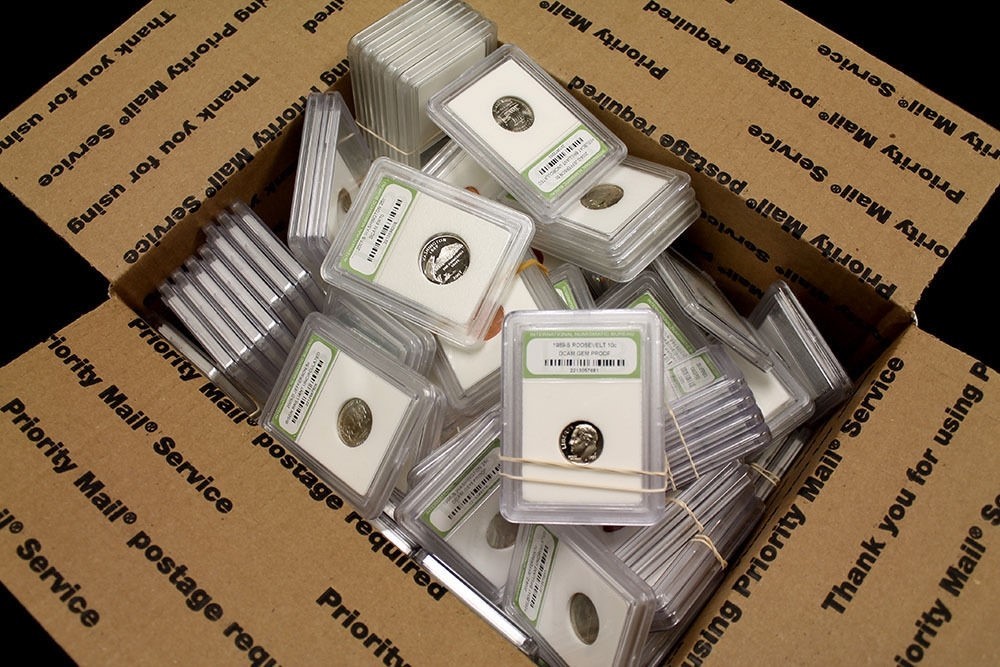
Proving the coin's verifiable authenticity and condition is paramount. A listing that includes a photo of the grading slab (if professionally graded) or a clear, close-up photo of the fineness mark instantly commands a higher price floor. Simply stating "gold coin" invites lowball offers based only on melt value. The single most effective element in a listing is a clear declaration of the coin's *provenance* or *grade* (e.g., "NGC MS-65"), as this shifts the buyer’s focus from the metal to the collectible asset.
On eBay right now
Current asking prices from live listings — not sold-comp medians.




eBay links are affiliate links: JunkPal may earn a commission at no cost to you.