What does “face value” mean?
What it means
Face value is the denomination stamped on a coin, representing its official nominal worth in currency units (e.g., a quarter is 25 cents). This is the basic identifier used for cataloging and initial sorting. For collectors, face value is a secondary data point. It identifies *what* the coin is, but it does not determine *what it is worth*. Market value is driven by scarcity, condition (grade), and numismatic demand, not the printed number. A high face value coin with high mintage is common; a low face value coin with low mintage is valuable.
What it does to price
Face value has a minimal direct impact on premium pricing unless the denomination itself is historically significant (e.g., specific error coins of a certain denomination). Generally, face value acts as a baseline, not a multiplier. A common, high-face-value coin (like a circulated dollar) might sell for $1 to $5. Conversely, a rare, low-face-value coin (like a 1909-S VDB Penny) can fetch thousands. Condition is the primary driver; a coin graded MS-65 will command significantly more than the same coin graded AU-50, regardless of face value.
How to spot it
The face value is clearly visible as the denomination numerals or text on the obverse or reverse. To confirm authenticity and value, examine the mint mark (e.g., D, S, P) and the year. Look for known varieties or errors specific to that denomination. Common mistakes include misidentified mint marks or incorrect dating. Fakes often fail to match the precise die details or metal composition associated with the stated denomination and year. High-resolution photos of the rim and date are necessary for verification.
Buying smart
Paying a premium based solely on face value is a common error. A fair deal involves assessing the coin against its established market value based on its grade and scarcity, not its printed amount. A high-face-value coin should only warrant a premium if it possesses a documented, verifiable rarity (e.g., a specific proof strike or error). If a coin is common, the price should closely track its face value plus a small premium for condition. If the premium exceeds 50% of the coin's estimated value, further research into its specific mintage is required.
Selling smart
Listing must clearly state the denomination, year, and mint mark. While the face value is obvious, the listing description must immediately pivot to the coin's numismatic status. Use established grading terminology (e.g., VF, XF, MS) rather than just describing wear. The single most valuable addition to a listing is a clear, high-resolution photograph of the coin's date and mint mark, proving the exact specimen being sold. This eliminates ambiguity and justifies a higher price point to knowledgeable buyers.
On eBay right now
Current asking prices from live listings — not sold-comp medians.


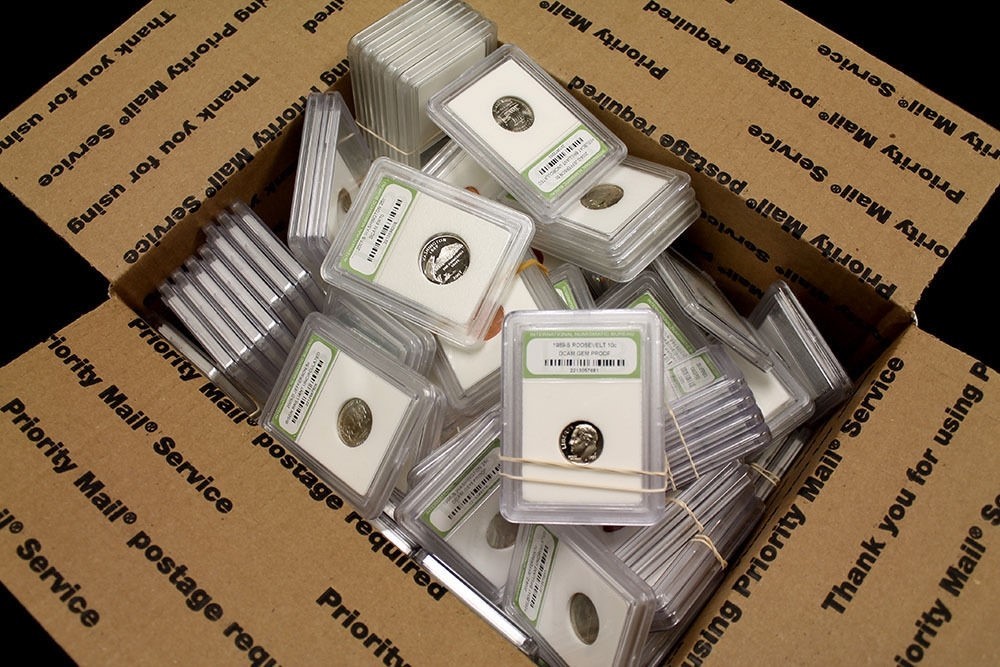
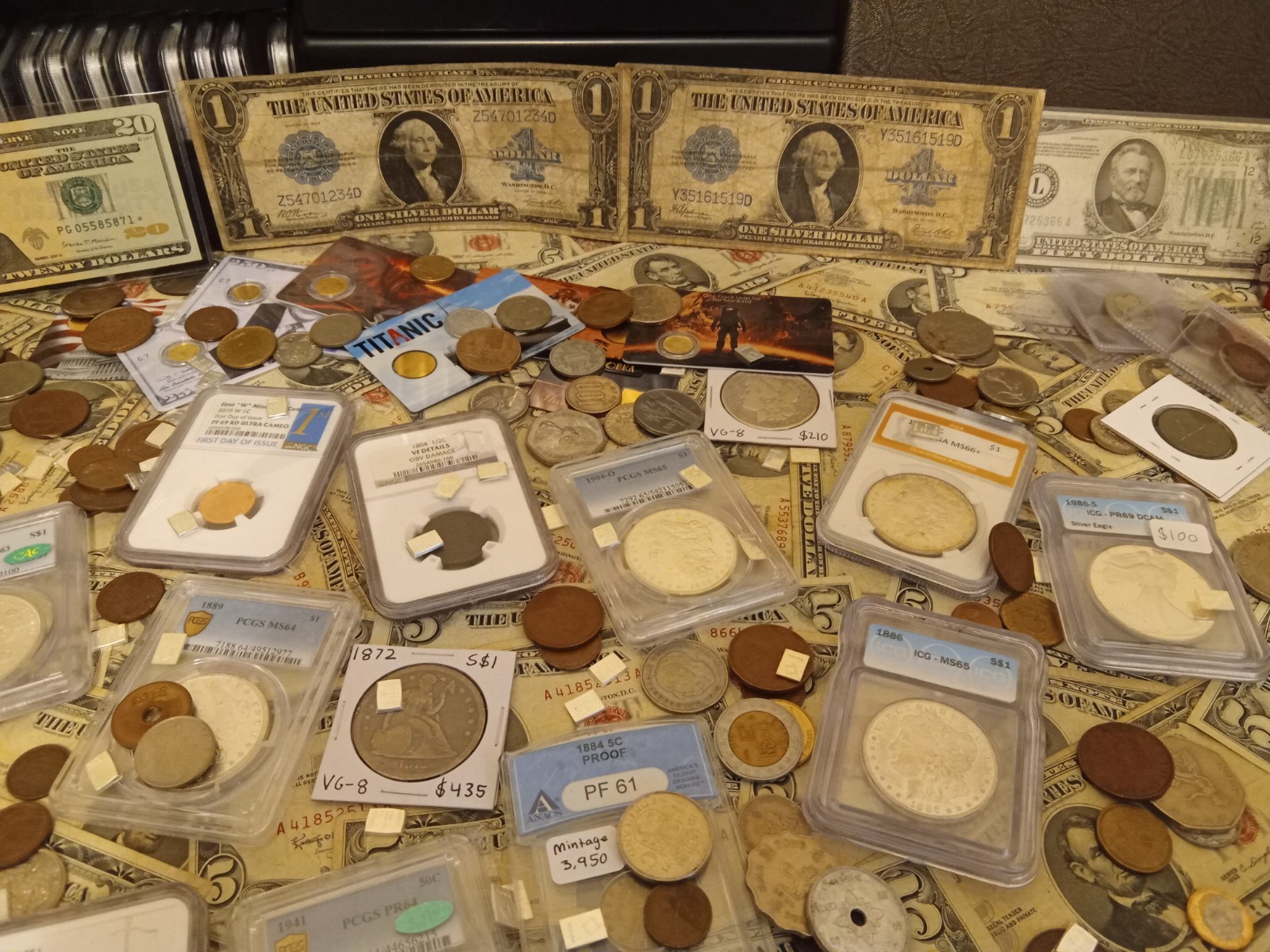
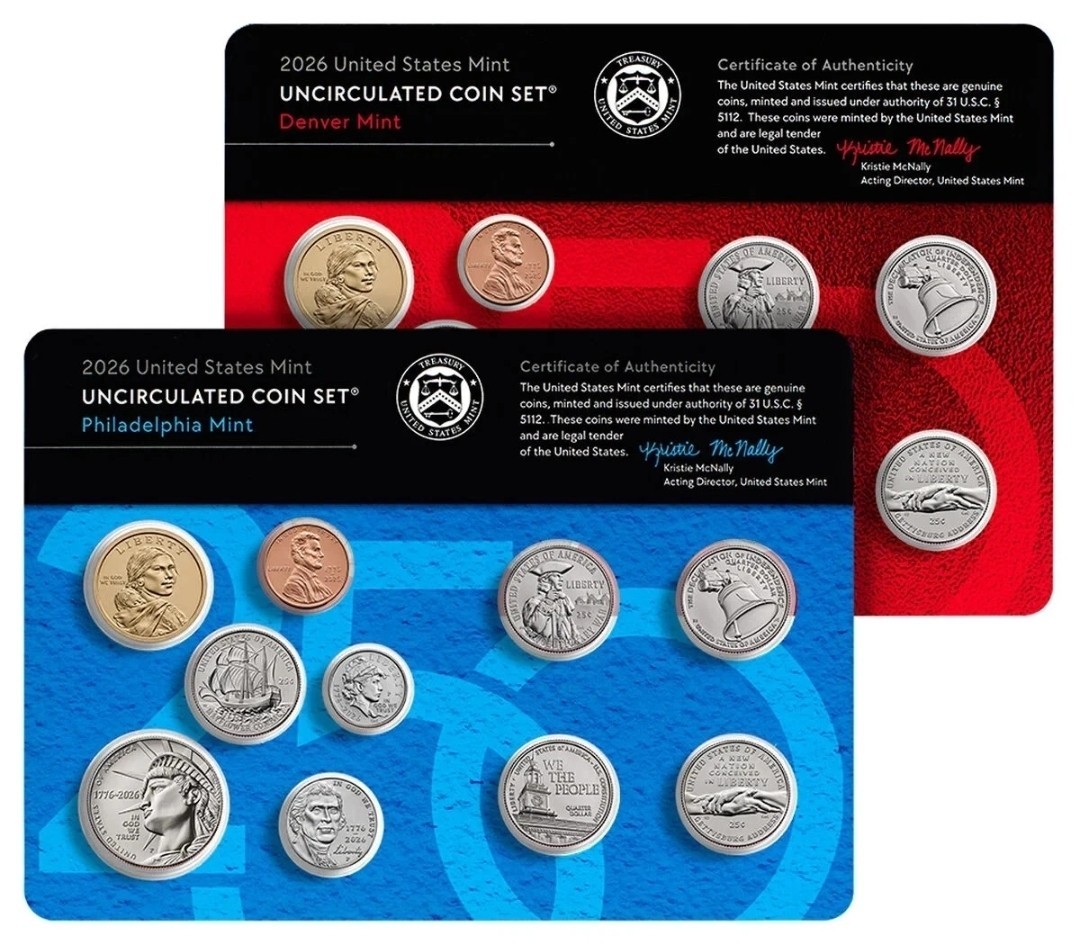
eBay links are affiliate links: JunkPal may earn a commission at no cost to you.