What does “extremely fine” mean?
What it means
"Extremely Fine" (XF) denotes a coin that has seen moderate circulation but retains substantial detail. The term signifies that the coin retains sharp design elements and a noticeable amount of original mint luster, though not the full, uncirculated sheen. Minor wear is present on the highest points of the design—such as fields, hair, or lettering—but this wear is light and does not obscure critical features. The mainstream equivalent is often described as "very fine" but with a higher standard of detail retention. Unlike lower grades (like VF or F), XF maintains enough definition that the coin still reads clearly, making it attractive to intermediate collectors.
What it does to price
XF grades command a significant premium over lower circulated grades. Depending on the coin's rarity, XF can fetch 2x to 5x the price of a comparable Fine (F) grade example loose. Factors pushing the price up include high-relief designs and strong, surviving luster. Factors pushing the price down include heavy toning or noticeable rim dings. For example, a common date in XF might sell for \$50; if the same coin is in an uncirculated state, it could easily exceed \$250. The grade acts as a major price differentiator in the mid-tier market.
How to spot it
Spotting XF requires close inspection under magnification. Look for definition in the fine lines of the design—are the hair strands distinct, or are they blended? Wear should be visible on the highest points (e.g., the tips of a bust or the highest lettering), but the overall strike must remain sharp. Sellers should provide high-resolution photos focusing on these high points. A common mistake is mistaking light surface scratches for actual wear; wear is *smoothing* of the metal, while scratches are *marks* on the surface. Be wary of heavily cleaned coins; cleaning often degrades the surface patina, which can look like wear but is artificial.
Buying smart
Paying a premium for XF is justified when the coin is a key piece in a collection or when the design is inherently beautiful (e.g., a portrait or detailed scene). It is not worth the premium if the coin is common or if the wear is uneven—if one area is sharp and another is heavily smoothed, the grade is inconsistent. A fair deal involves the price reflecting the *quality* of the wear, not just the grade designation. If the asking price is more than 1.5x the average market price for known XF examples, further scrutiny of the coin's condition is necessary.
Selling smart
Listing XF coins requires clear documentation. The listing must explicitly state the grade and provide multiple high-resolution images that allow a buyer to verify the stated condition. The single most valuable element in a listing is a macro shot focused on the highest relief area, demonstrating the retained detail. Using the term "Extremely Fine" in the title and description, rather than just "Very Fine," immediately targets the higher-paying segment of the market. This precise language justifies the higher asking price by setting a clear expectation of quality.
On eBay right now
Current asking prices from live listings — not sold-comp medians.


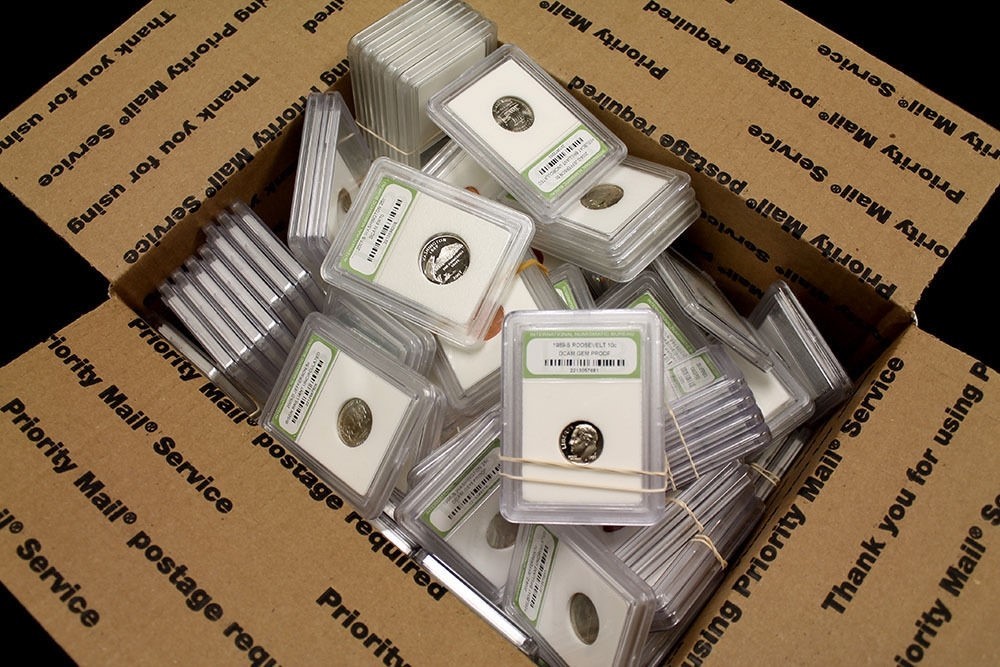
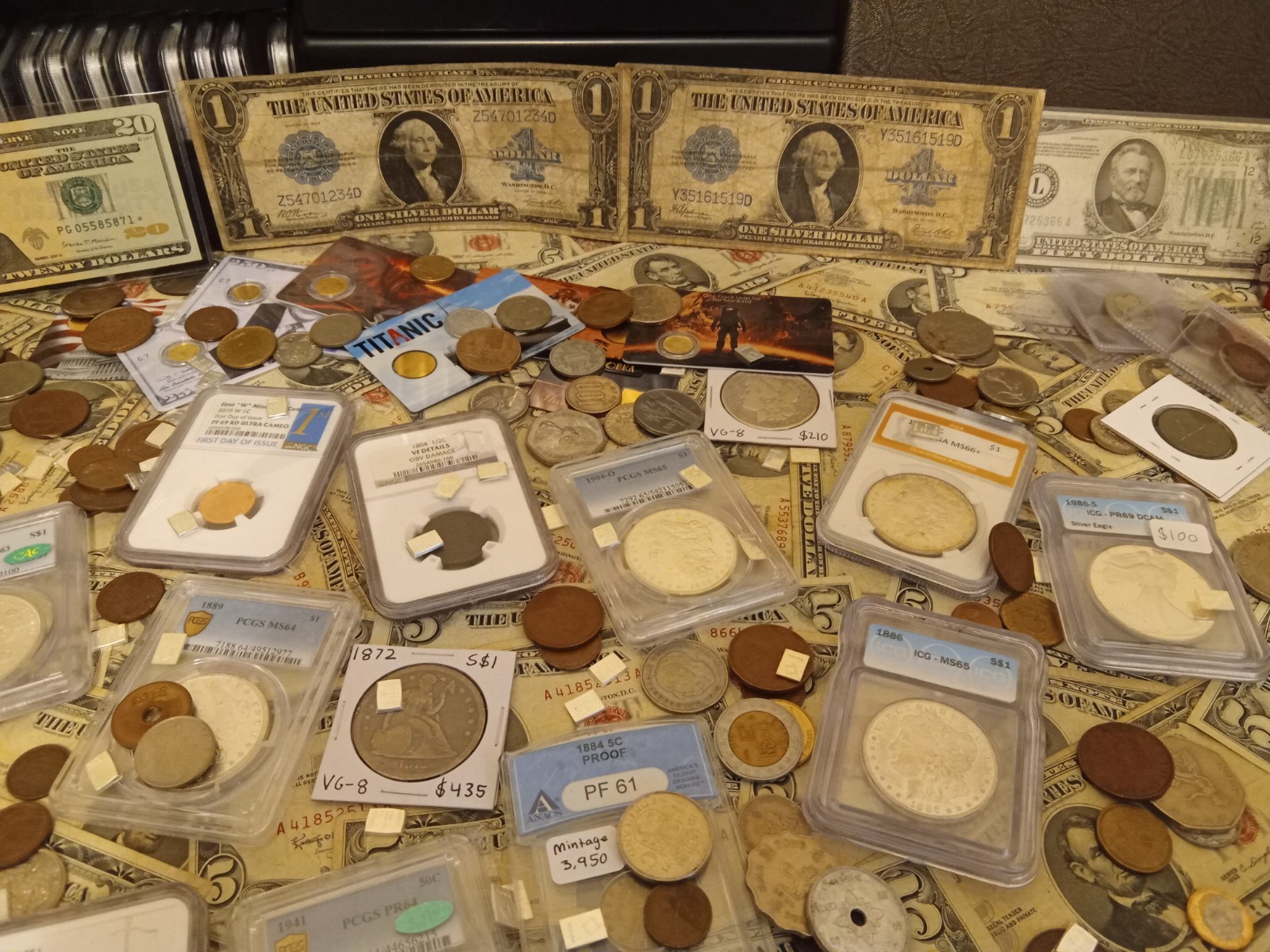
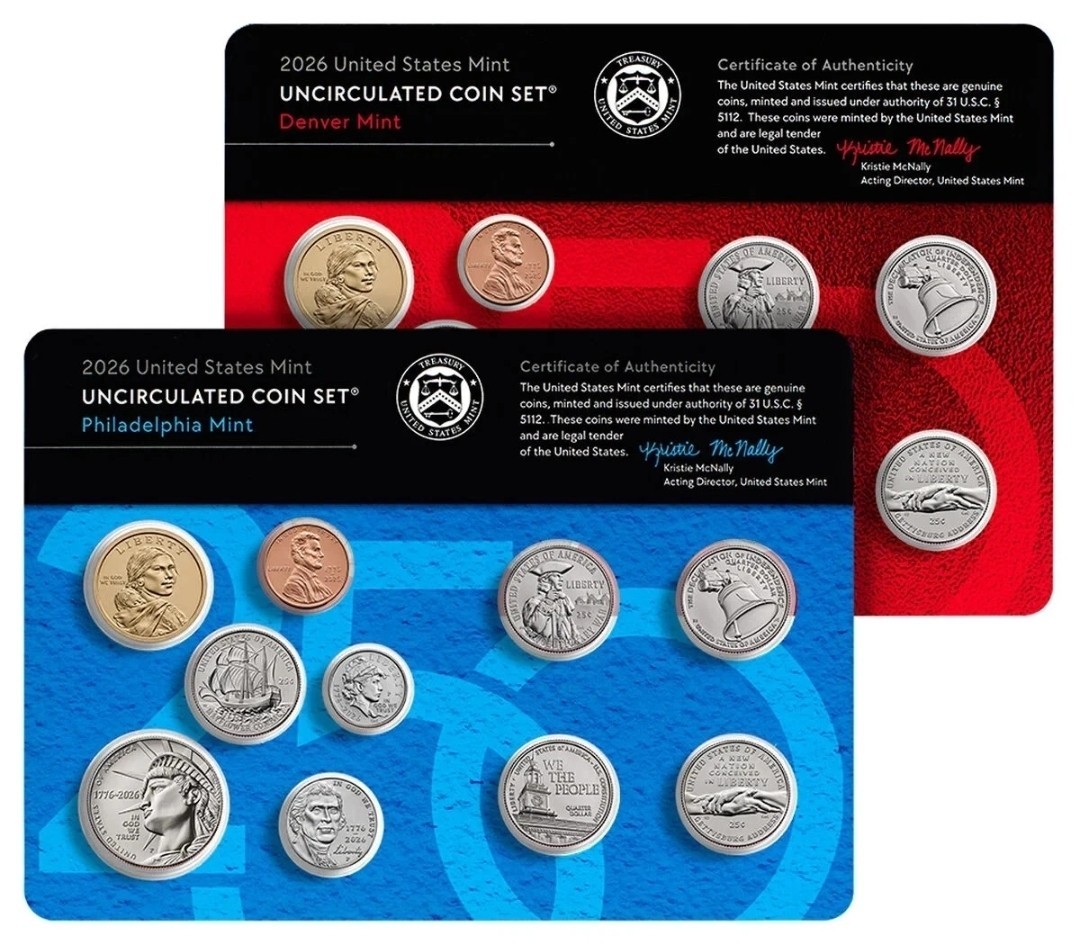
eBay links are affiliate links: JunkPal may earn a commission at no cost to you.