What does “die proof” mean?
What it means
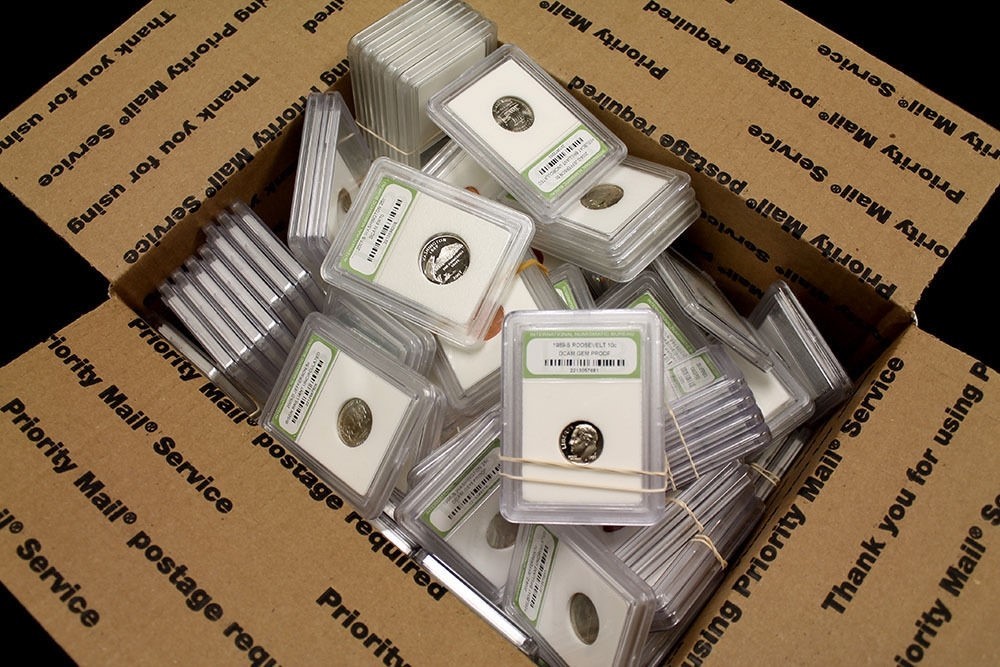
"Die proof" refers to a coin struck using a specialized die process designed to maximize surface contrast and reflectivity. The term signifies a premium production run, distinct from standard mint issues. The process involves polishing the coin fields to a mirror finish while leaving the design elements (devices) frosted. This is not a general term for high-quality striking; it denotes a specific, high-end manufacturing technique. The mainstream equivalent is "Proof" designation, but "die proof" emphasizes the specific tooling used to achieve the extreme detail and mirror effect. These coins are inherently low-mintage collector items.
What it does to price
Die proof status commands a significant premium over equivalent standard mint strikes. A well-preserved die proof typically fetches 3x to 8x the price of a comparable bullion or standard circulated version. The premium is heavily influenced by the coin's rarity and condition grade. A minor ding or scratch on the mirror field can cause a 20-40% price drop. Conversely, a perfect, uncirculated specimen can see multipliers exceeding 10x for highly sought-after issues. For example, a standard issue coin might sell for \$50 loose; a comparable, pristine die proof version could realistically sell for \$250 to \$400 or more.
How to spot it
The telltale sign is the stark contrast: brilliant, reflective fields juxtaposed against sharply defined, frosted devices. Examine high-resolution photos for the mirror-like quality of the background. Look for specific mint marks or issue identifiers associated with the proof program, as these are often distinct from standard issue markings. Common errors include improper handling causing micro-scratches on the fields, which are visible under magnification. Fakes often fail to replicate the true depth of the frosting or the perfect reflectivity of the fields; they look "shiny" rather than "mirror-like." Always request a close-up photo of the field surface.
Buying smart
Paying the premium for a die proof is justified when the coin is a recognized, high-demand collectible within the numismatic community, or when the coin itself is extremely scarce. It is not worth the premium for common issues where the difference in aesthetics does not translate to significant market scarcity. A fair deal involves the asking price being within 10-20% of established auction results for graded examples of that specific coin. If a seller is asking for a price significantly above comparable graded sales, the risk of overpaying for presentation alone is high.
Selling smart
Listing a die proof requires clear, high-quality photography that emphasizes the surface quality. The listing description must explicitly use the term "Die Proof" and detail the mirror finish and frosted devices. The single most effective element for earning the premium is a clear, well-lit photograph showing the reflection in the field. Avoid vague terms; state the coin is "Proof Quality." Buyers pay the premium for certainty of presentation; a clear visual confirmation of the specialized strike is the primary driver of the higher realized price.
On eBay right now
Current asking prices from live listings — not sold-comp medians.



eBay links are affiliate links: JunkPal may earn a commission at no cost to you.