What does “debasement” mean?
What it means
Debasement is the deliberate lowering of the precious metal content within a coin while the government maintains the coin's face value. This is distinct from clipping (shaving metal) or counterfeiting. The mainstream concept is currency manipulation. For collectors, debasement is a technical specification regarding the alloy composition. It shifts the coin's valuation axis: its intrinsic metal value decreases, while its numismatic value becomes contingent on the historical context of that specific debasement event. A coin's stated fineness (e.g., 90% silver vs. 75% silver) defines the extent of the debasement.
What it does to price
Debasement creates a bifurcation in pricing. For bullion investors, a heavily debased coin commands a discount relative to a coin of the same date struck at full fineness, often trading at 15-30% less based purely on melt value. Numismatists, however, may pay a premium. If the debasement was part of a known, significant monetary policy shift, the coin’s historical rarity or the specific nature of the alloy change can drive prices up. For example, a standard 1930s silver coin might sell for $80 loose; the same coin, if documented as having been struck with a documented, lower-grade alloy due to wartime shortages, might sell for $65 unless the specific debasement makes it a known historical oddity.
How to spot it
Identifying debasement requires metallurgical testing or cross-referencing documented assay reports for the issuing authority and date. Visual inspection alone is insufficient. Look for official government announcements or historical numismatic literature detailing the alloy change for that specific series. Common errors are not fakes but honest mistakes—a mint running out of the correct alloy mid-production. Sellers must provide assay certificates or detailed provenance showing the alloy composition. A common deceptive tactic involves presenting a coin from a period of known debasement as if it were struck at the previous, higher standard.
Buying smart
Paying a premium for a debased coin is justified only when the debasement itself is the primary point of interest—i.e., studying monetary history or the specific manufacturing limitations of that era. If the goal is maximizing metal return, avoid heavily debased issues unless the market price is significantly discounted below the melt value. A fair deal involves the numismatic premium being clearly separated from the intrinsic metal value. If a coin is documented as 75% silver, the asking price should reflect the value of 75% silver plus the agreed-upon historical premium.
Selling smart
Proof of debasement, when accurately documented, is a selling feature, not a flaw. Listing the precise fineness (e.g., "75% Silver Alloy") and referencing the historical context of the change attracts specialized collectors willing to pay for that specific data point. The single most effective element in a listing is a clear, high-resolution photo of the coin accompanied by the specific alloy percentage, ideally sourced from a reputable numismatic catalog or assay report. This transparency prevents disputes over the coin's true material worth.
On eBay right now
Current asking prices from live listings — not sold-comp medians.


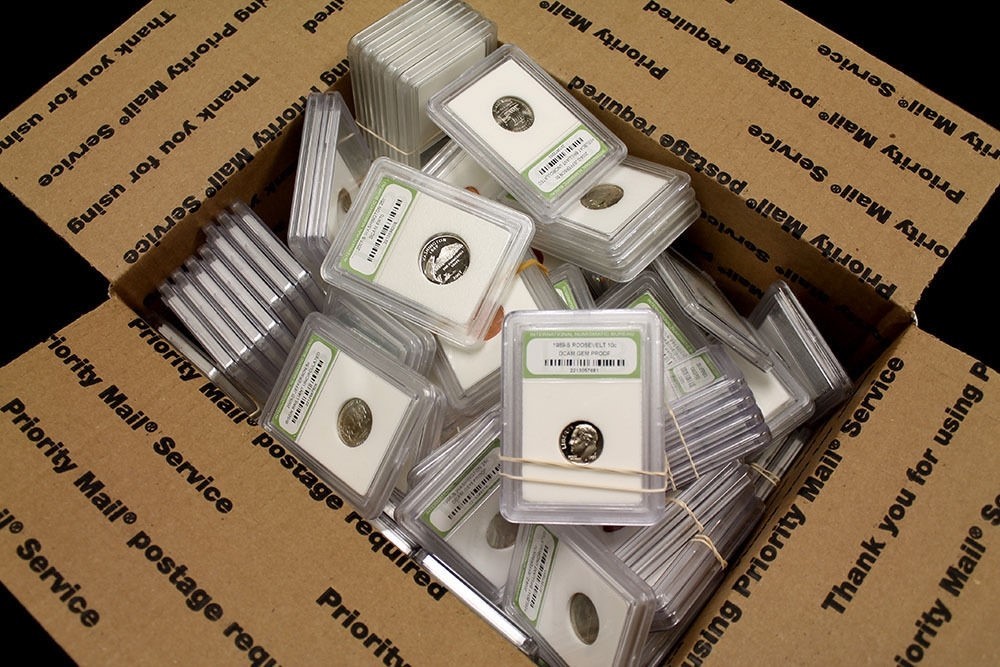
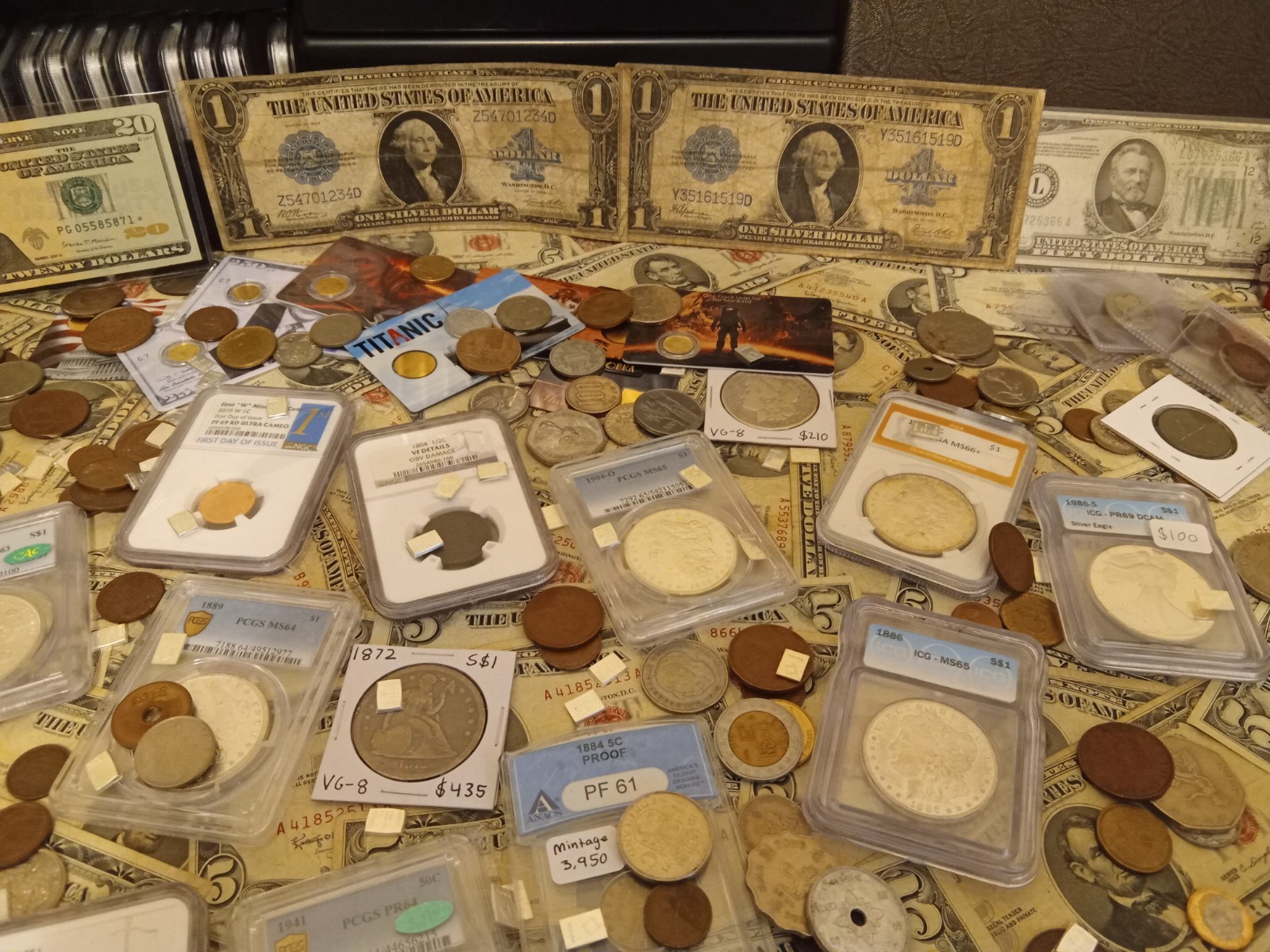
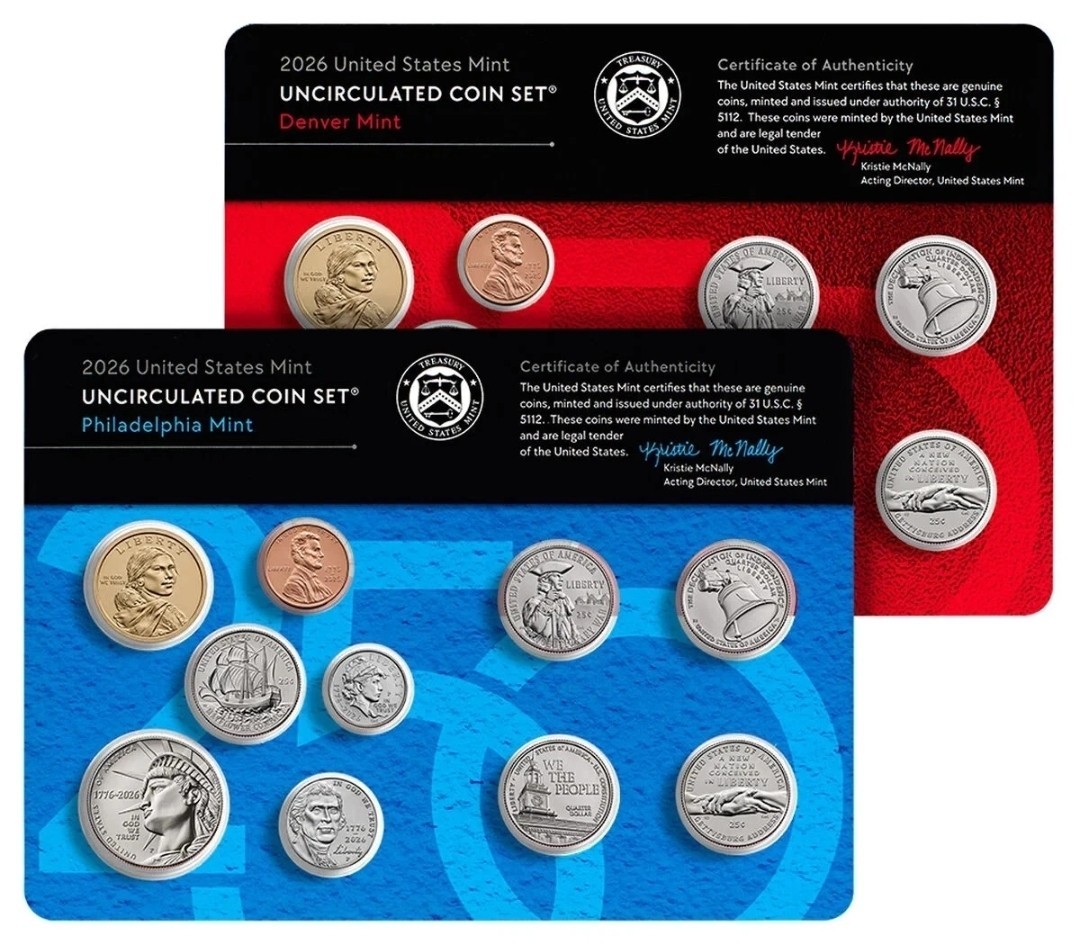
eBay links are affiliate links: JunkPal may earn a commission at no cost to you.