What does “cull” mean?
What it means
A cull is the systematic sorting of a bulk coin lot to isolate high-grade, high-value specimens from lower-grade or common circulation pieces. This process is inventory management, not just cleaning. The goal is to elevate the average grade of the remaining inventory. In mainstream terms, it is quality control or triage. A cull separates "keepers" from "junk."
What it does to price
The presence of a well-executed cull significantly increases the realized value of the remaining lot, often by 20% to 50% over the price of the raw, unsorted bulk. Removing common, heavily worn examples (e.g., 1950s Lincoln cents in poor condition) allows the average grade of the remaining coins to jump, which directly impacts bulk pricing tiers. If a lot of 100 coins is culled down to 40 keepers, the remaining 40 are priced as a curated lot, not a bulk lot. For example, removing five heavily damaged $1 coins from a lot of 50 could push the lot's value up by $15-$30 depending on the coin's intrinsic value.
How to spot it
A cull is identified by the sorting structure. Look for clear separation: a small, high-grade subset (the keepers) physically separated or clearly documented from the large volume of lower-grade material (the cull pile). Sellers may use specific jargon like "high-grade selection" or "curated lot." Common honest mistakes include poor sorting where valuable coins are mixed with junk. Fakes are often found in the cull pile; if a seller claims a lot is "cull-ready" but the cull pile contains suspicious, low-detail pieces, caution is warranted.
Buying smart
Paying a premium for a culled lot is justified when the seller has demonstrated a consistent, professional grading standard, and the cull pile is demonstrably large and low-grade. If the seller has only removed one or two obvious duds, the premium is inflated. A fair deal involves a price that reflects the *average* grade of the keepers, not the total count of the original lot. If the seller cannot provide a clear, documented breakdown of what was removed and why, the premium should be discounted by at least 25%.
Selling smart
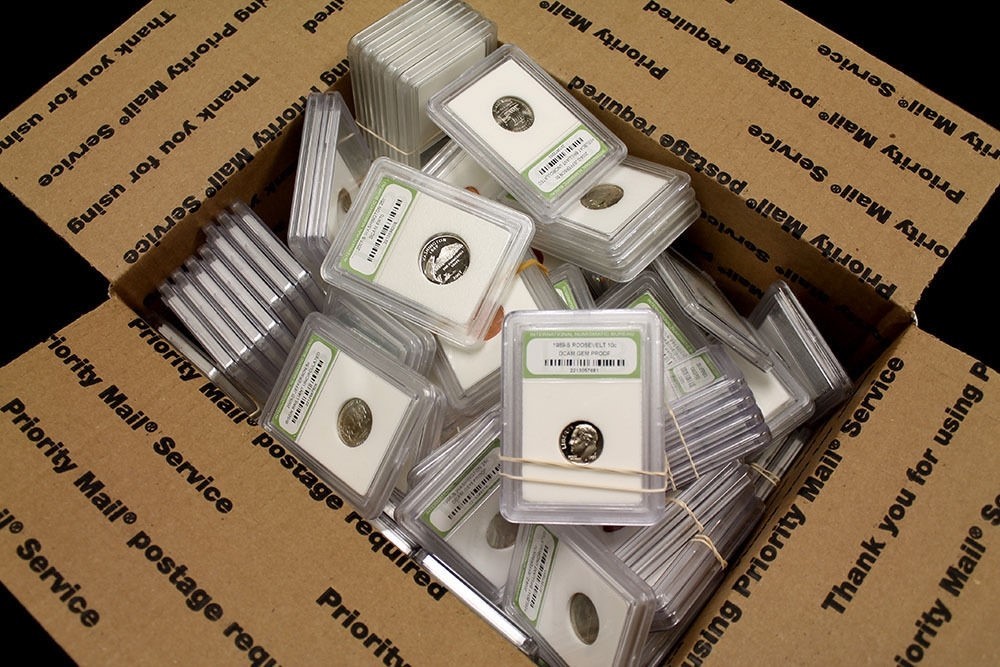
Presenting a culled lot requires clear documentation. The listing must explicitly state the cull process was performed and the resulting grade improvement. The single most effective element is a photo showing the *before* (a small sample of the raw lot) and the *after* (a sample of the keepers). Use the term "Curated Selection" or "High-Grade Subset." This language signals professional effort, allowing the seller to command a 15-30% premium over a standard bulk listing because the buyer perceives less risk and more immediate value.
On eBay right now
Current asking prices from live listings — not sold-comp medians.


eBay links are affiliate links: JunkPal may earn a commission at no cost to you.