What does “copper penny” mean?
What it means
A copper penny is a United States one-cent coin composed primarily of copper or a copper alloy. This term is descriptive, not definitive of value. It does not imply a specific grade or rarity. The category encompasses all circulating pennies, though collectors focus heavily on pre-1955 issues, as these utilized higher copper content and possess greater historical interest. Modern pennies, post-1982, are primarily zinc with a copper plating, which changes their numismatic profile. The term is a general classification; specific identification requires the date and mint mark.
What it does to price
Condition is the primary driver of value. A heavily circulated, low-grade (Good to Fine) copper penny typically sells for under \$1.00 loose. Uncirculated or high-grade examples, especially those from the 1909-1938 range, can see multipliers ranging from 10x to 50x the face value, depending on the specific date and condition. A common, mid-grade 1932 penny might sell for \$2.00 to \$5.00. Conversely, a common, heavily worn modern penny is often valued at less than 10 cents. Errors, such as doubled dies or off-center strikes, can introduce massive, unpredictable premiums.
How to spot it
Verification requires checking the date and mint mark (D for Denver, S for San Francisco, P for Philadelphia). For older copper pennies, the metal composition is visually apparent, though plating on later issues can obscure this. Common pitfalls include misidentifying zinc-core modern pennies as solid copper. Fakes are rare for common dates but appear in high-grade examples. Always request high-resolution photos showing the full obverse and reverse, paying close attention to the luster and the sharpness of the lettering, which indicates the coin's actual grade.
Buying smart
Paying a significant premium is only justifiable when the coin is verifiable as a high-grade example of a known scarce date or possesses a documented, verifiable error. For common dates in average condition, purchasing is a low-yield activity. A fair deal for a common, circulated penny is near face value or slightly above. For a sought-after date (e.g., 1910-S), a premium is warranted only if the grading service confirms a high grade (AU or MS). If the price is based solely on the "copper" descriptor without grade verification, the premium is unwarranted.
Selling smart
Listing must move beyond "copper penny." The listing title and description must immediately specify the date, mint mark, and estimated grade (e.g., "1921-D, VF"). Providing a clear, well-lit photo of the coin showing both sides is mandatory. If the coin has been professionally graded (PCGS/NGC), the certification number must be prominently displayed. This documentation transforms the item from a general curiosity into a verifiable asset, allowing the seller to command the premium associated with its specific numismatic identity rather than just its material.
On eBay right now
Current asking prices from live listings — not sold-comp medians.


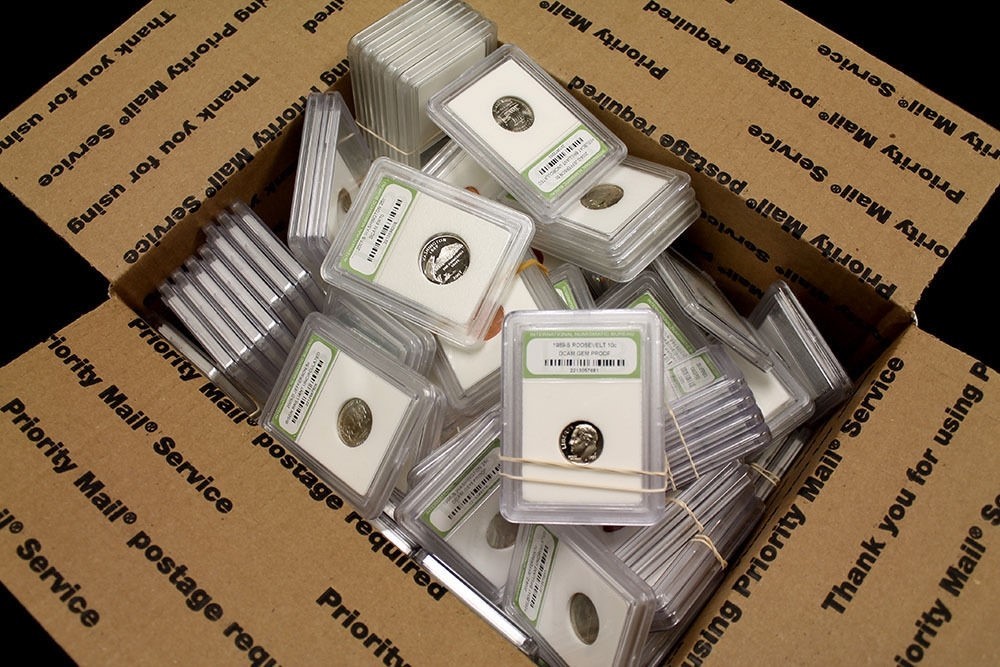
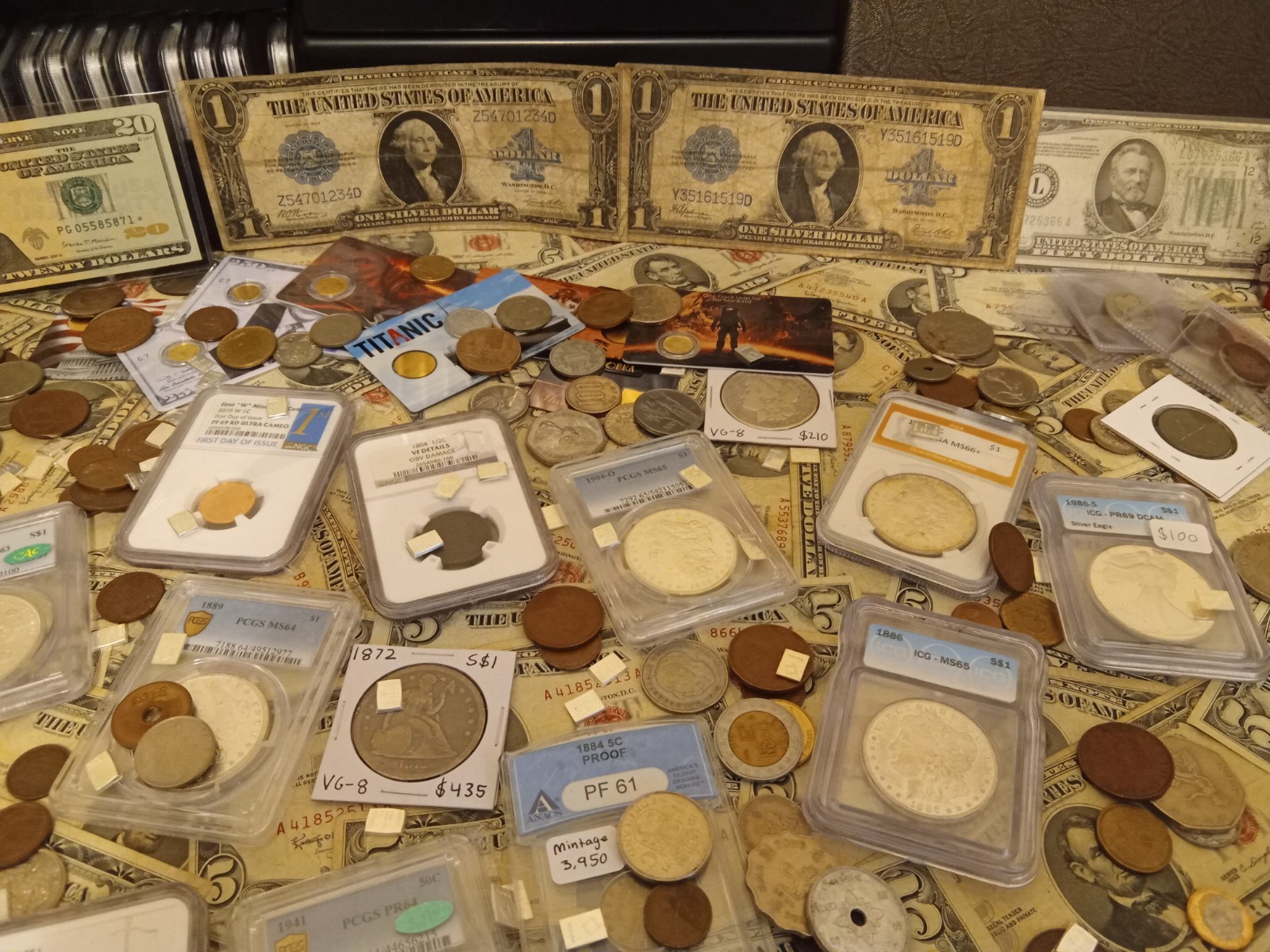
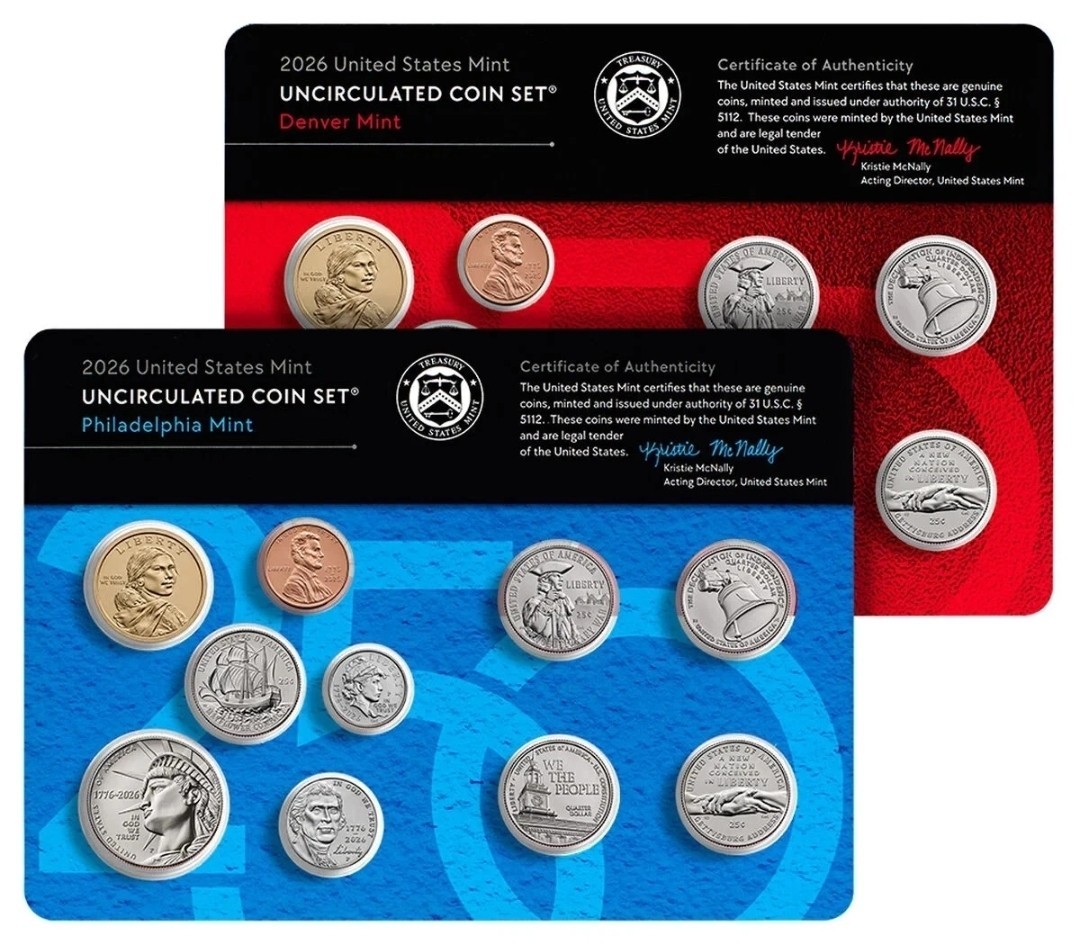
eBay links are affiliate links: JunkPal may earn a commission at no cost to you.