What does “common coin” mean?
What it means
A common coin is a circulating piece struck in high volume where inherent scarcity is negligible. This is distinct from "low-grade" or "poor condition"; a common coin can be in perfect condition, but its low mintage or lack of unique features keeps its intrinsic value low. In numismatics, this is the baseline inventory. The mainstream equivalent is a standard, mass-produced currency item. Its value is determined almost entirely by the coin's state of preservation (grade) and current market demand for that specific denomination or year, not by rarity.
What it does to price
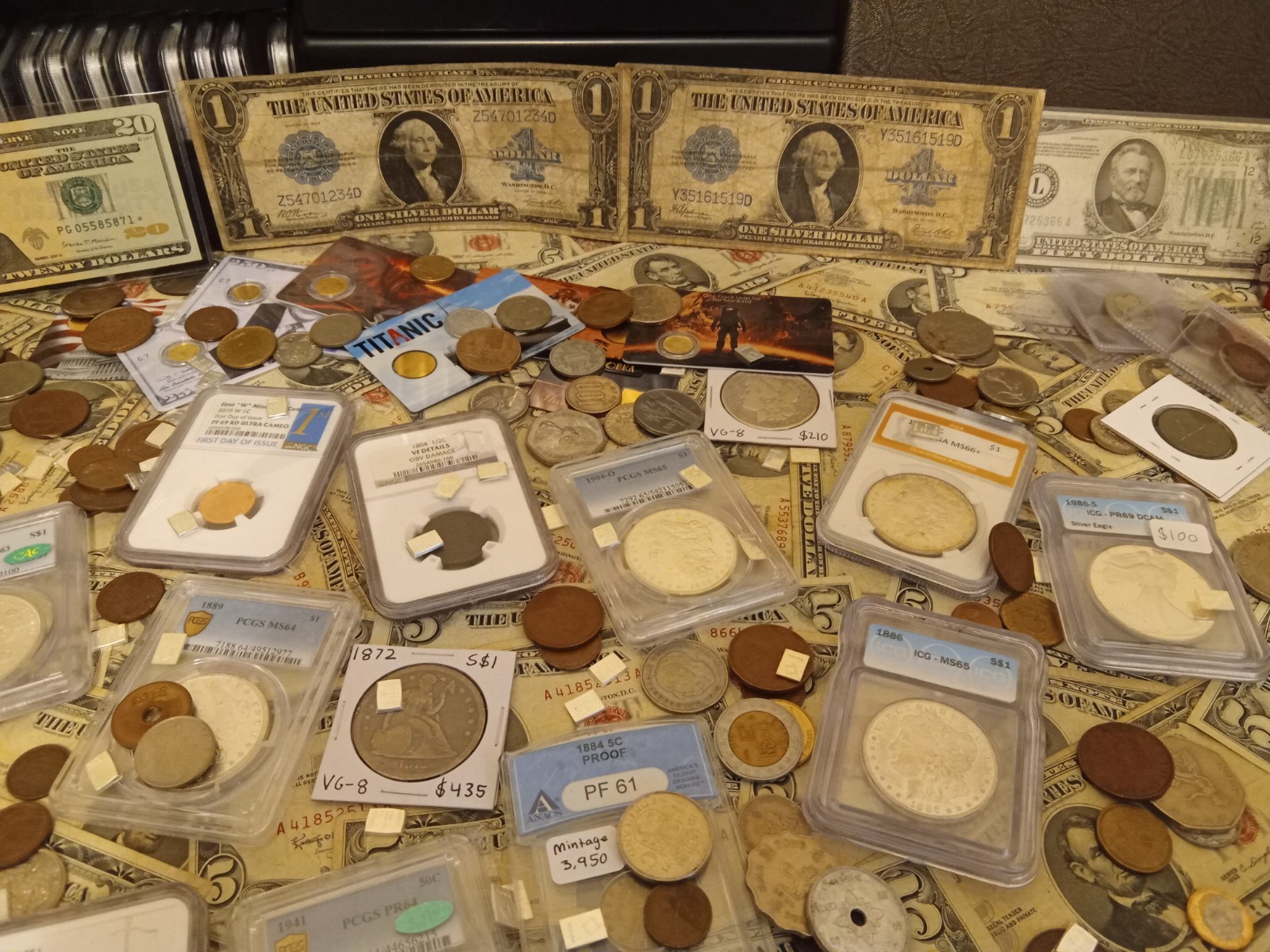
Condition is the primary pricing driver. A common coin graded MS-63 will command a significantly higher price than the same coin in AU-50. For instance, a common 1980s penny might sell for $0.50 loose in circulated condition, but if it achieves a certified MS-65 grade, the value can jump to $8.00 or more, representing a 16x multiplier on the loose value. Factors that depress price include heavy wear, environmental damage (toning, corrosion), and missing mint marks if the variety is not sought after.
How to spot it
Common coins are identifiable by their high production runs and standard design elements. Sellers should provide high-resolution images of the obverse and reverse, focusing on the edge and any mint marks. Look for signs of heavy wear—loss of fine detail on high points (e.g., lettering, facial features). Common issues to watch for are "off-center" strikes or minor rim dings, which are usually honest manufacturing errors but reduce grade potential. Be wary of heavily circulated, "too perfect" examples, which may be modern reproductions of common designs.
Buying smart
Paying a premium for a common coin is only justifiable when the grade is verifiable and the coin is needed to complete a specific, high-demand set (e.g., a specific state quarter series). If the goal is simply filling a collection, buying loose, ungraded common coins is inefficient. A fair deal involves paying a price that reflects the *certified grade*, not the coin's inherent rarity. If a seller demands a high premium for a coin they claim is "uncirculated" without third-party certification, the deal is likely inflated.
Selling smart
Listing common coins requires absolute accuracy regarding condition. Buyers are highly sensitive to grading discrepancies. If the coin is in circulated condition, list it as such, using descriptive terms like "well-worn" or "fine." If it is certified, the certification number must be prominently displayed. The single most effective element to earn a premium is providing a clear, close-up photo of the coin's highest point of detail, allowing the buyer to visually confirm the stated grade.
On eBay right now
Current asking prices from live listings — not sold-comp medians.


eBay links are affiliate links: JunkPal may earn a commission at no cost to you.