What does “coin grade” mean?
What it means
Coin grade is the standardized, objective assessment of a coin’s physical condition. It quantifies the degree of wear, surface marks, and preservation. The scale runs from Poor (P) through Fine (F), Very Fine (VF), Extremely Fine (XF), About Uncirculated (AU), and culminates in Mint State (MS) or Proof (PR). This is not subjective opinion; it is a numerical or letter-based classification based on established industry standards, most commonly those set by grading services like PCGS or NGC. The grade translates the coin's visual state into a universal metric for trade.
What it does to price
Grade is the primary driver of value. The difference between a low grade (e.g., VF) and a high grade (e.g., MS-65) can result in price multipliers ranging from 5x to 50x, depending on the coin's rarity. Minor wear on a high-grade coin can cause a significant drop. For example, a rare silver coin graded MS-63 might sell for \$1,500, whereas the same coin graded VF-20 might sell for only \$250. Professional grading provides an instant, verifiable benchmark, eliminating negotiation based on subjective wear assessment.
How to spot it
Visual inspection reveals the grade. Look for sharpness in the highest points of the design—hair strands, lettering edges, and relief details. High grades show crisp strikes with no visible flattening. Lower grades show "bag marks" (scratches from handling) or "circulation wear" (smoothing of the highest points). Sellers should provide high-resolution, focused photos of the obverse and reverse, specifically targeting areas known to show wear, such as the coin's highest relief points. Common issues include "hairlines" (scratches) which downgrade the grade, and "limbs" (die imperfections) which are inherent to the minting process and do not affect the grade unless severe.
Buying smart
Paying a premium for a high grade is justified when the coin is rare, highly sought after, or has a known high market ceiling. For common circulation coins, the premium for a high grade may not outweigh the cost of the grade itself. A fair deal involves comparing the listed grade against current auction results for that specific coin/grade combination. If a seller claims MS-65 but provides photos showing noticeable flattening on the highest points, the price is inflated and the deal is poor.
Selling smart
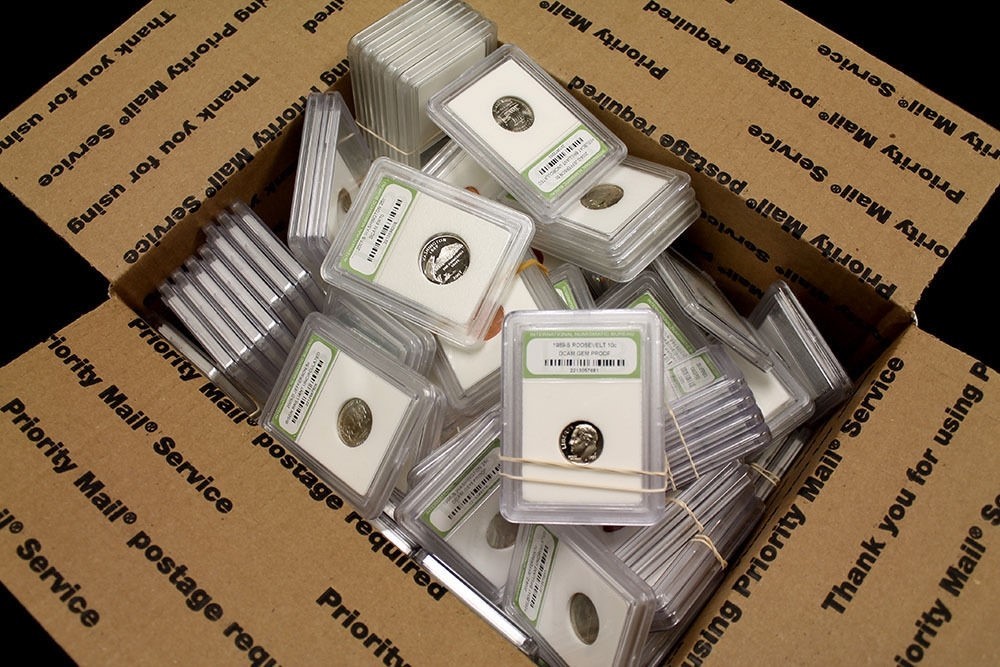
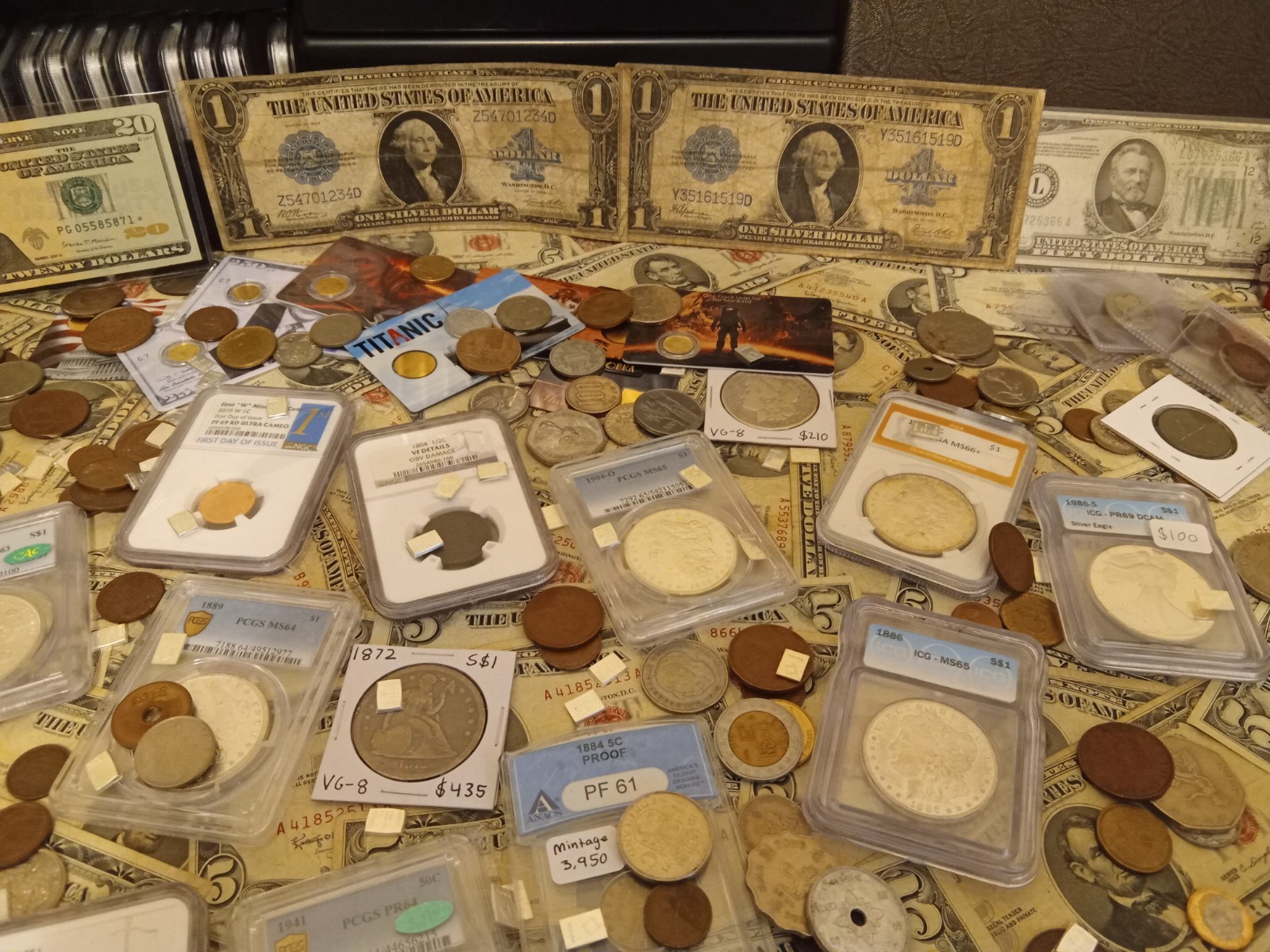
Presenting a professionally graded coin in a sealed, encapsulated holder (slab) immediately elevates perceived value and buyer confidence. A slab acts as third-party verification, removing all doubt about authenticity and condition. The single most effective element in a listing is the inclusion of the slab photo itself, clearly displaying the grade and the grading company's certification number. This single piece of evidence allows the seller to command the premium associated with certified, verified quality.
On eBay right now
Current asking prices from live listings — not sold-comp medians.




eBay links are affiliate links: JunkPal may earn a commission at no cost to you.