What does “certification grade” mean?
What it means
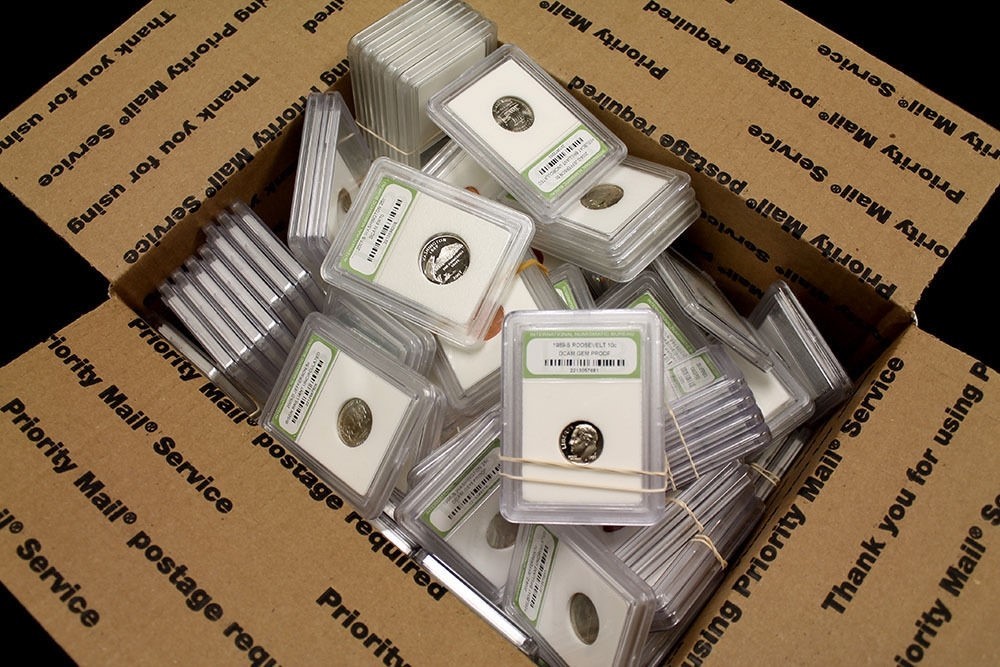
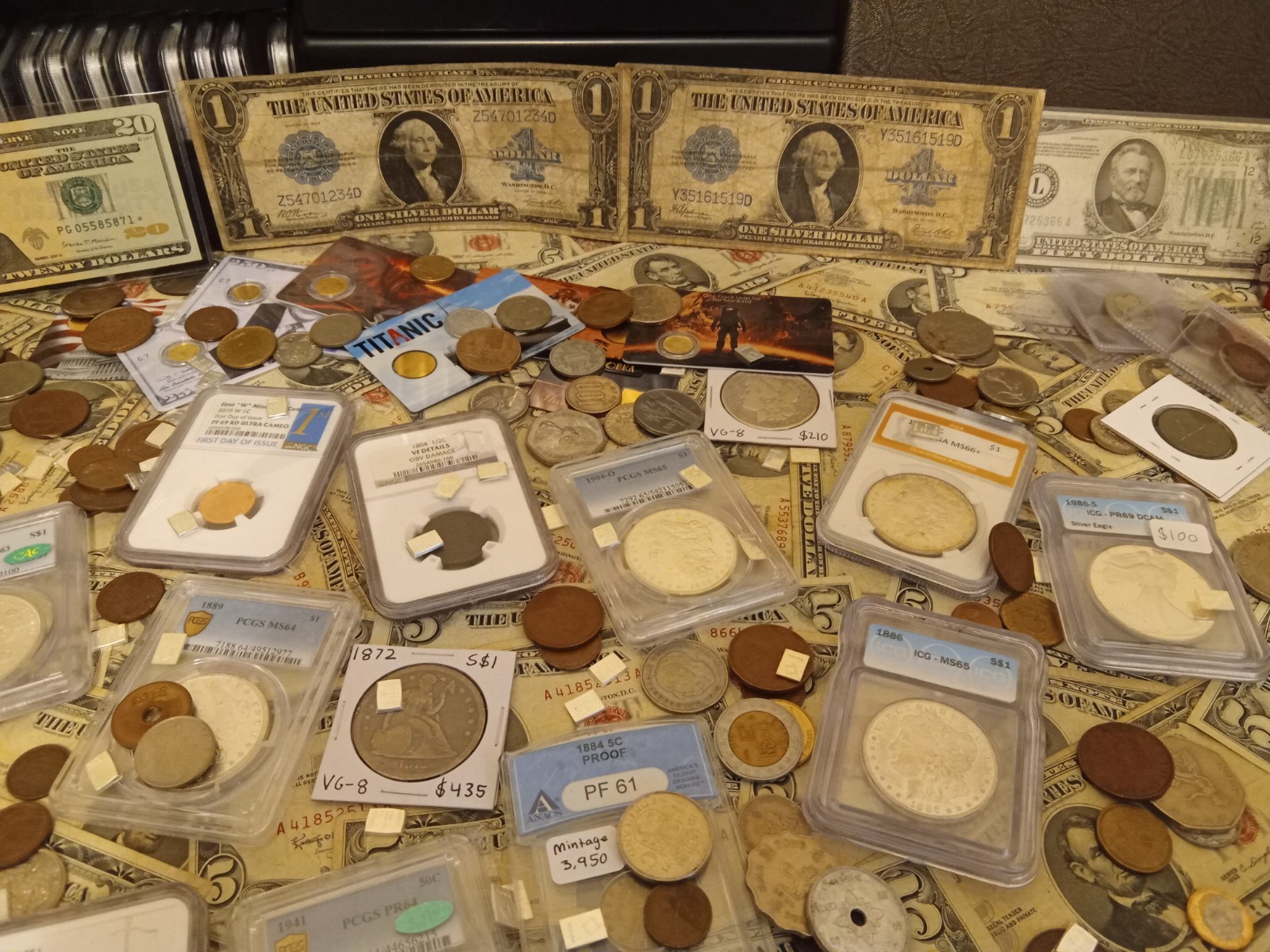
Certification grade is the official, numerical assessment of a coin's quality provided by a recognized third-party grading service, such as PCGS or NGC. This process involves experts examining the coin's metal, strike quality, and surface preservation under controlled conditions. The resulting grade (e.g., MS-65, AU-58) is encapsulated in a tamper-evident plastic holder, known as a slab. This slab serves as verifiable proof of authenticity and condition. In the collecting market, this grade replaces subjective opinion with objective data.
What it does to price
The grade is the primary driver of market value. A high, verified grade commands a substantial premium over the same coin sold loose (ungraded). For common coins, the multiplier might be 3x to 10x or more depending on the rarity of the specific coin type. For high-end, scarce coins, the premium can be exponential. Conversely, a low or questionable grade significantly depresses value. For example, a well-graded MS-65 coin might sell for $1,500, while the same coin, if ungraded but visually similar, might only fetch $300, representing a 5x premium for the certified status.
How to spot it
The telltale sign is the presence of a sealed, numbered holder from a reputable grading company. The slab will display the coin's grade, a unique certification number, and the grading company's logo. When inspecting a slab, verify the seal is intact and the holder matches the stated grade. Common issues include "slab tampering," where the holder has been opened and resealed, or "grade inflation," where a seller misrepresents the grade. Always cross-reference the certification number on the slab with the grading company’s online database to confirm its authenticity.
Buying smart
Paying a premium for a certified coin is justified when the coin is rare, desirable, or when the grade itself is the primary investment driver (e.g., high-end rarities). If the coin is common and the grade is only slightly higher than what could be achieved by careful handling, the premium may not be worth the cost. A fair deal requires the asking price to align with established auction results for that specific grade and coin type. If the asking price exceeds comparable sales by more than 20% without clear justification (like exceptional centering or rarity), caution is warranted.
Selling smart
Listing a coin with a recognized certification grade immediately elevates its perceived value and buyer confidence. Buyers are less likely to haggle over condition when a third party has already authenticated it. The single most powerful element in a listing is a clear, high-resolution photograph of the entire slab, clearly showing the grade and certification number. This photo acts as instant proof of condition, allowing the seller to command the market premium associated with verified quality.
On eBay right now
Current asking prices from live listings — not sold-comp medians.




eBay links are affiliate links: JunkPal may earn a commission at no cost to you.