What does “business strike coin” mean?
What it means
A business strike coin is a coin produced by a private entity, corporation, or non-governmental organization (NGO), rather than by a national sovereign mint. These are not official circulating currency. The term encompasses promotional pieces, commemorative tokens, and private numismatic issues. While the short definition is accurate, the key distinction is the *issuer*. Unlike government coins, which adhere to strict national standards, business strike coins operate under private production agreements. They function as collectible items, not tender. The mainstream equivalent is a private commemorative or token coin.
What it does to price
The price of a business strike coin has no fixed baseline; it is entirely relative to the issuer's brand recognition and the coin's scarcity. A common, low-profile promotional coin might sell for $5–$20 loose. Conversely, a high-profile coin issued by a major corporation or a limited-run, highly sought-after series can command hundreds or even thousands of dollars. Rarity (low mintage) and condition are the primary drivers. A coin with a documented mintage of under 500 pieces will typically fetch 3x to 5x the value of a common issue of the same design, provided the issuer is reputable. A poorly documented or mass-produced item rarely exceeds $30.
How to spot it
The tell is the issuer’s mark, not the national crest. Look for the company logo, event name, or organization name prominently displayed, often replacing or supplementing the standard mint mark. Examine the edge and the reverse die for signs of commercial tooling versus government engraving. Common mistakes involve confusing a licensed dealer's special edition with an official private strike; these are often clearly marked as "Dealer Exclusive." Fakes often exhibit soft strikes, poor metal uniformity, or incorrect patina application. Always request high-resolution photos of the coin's edge and the reverse strike detail.
Buying smart
Paying a premium is justified only when the coin is tied to a significant, verifiable event or a highly respected private series. If the coin is merely a cheap giveaway from a local fair, the premium is unwarranted. A fair deal for a known, limited-mintage piece from a recognized entity is usually 1.5x to 2.5x the estimated intrinsic metal value, depending on condition. If the asking price is more than 4x the estimated metal value and there is no verifiable documentation of extreme rarity, the purchase is likely overvalued.
Selling smart
Proving the provenance—the "who" and "why"—is the most effective way to maximize sale price. A listing stating, "Limited Edition 1998 Charity Gala Coin, Mintage 1,000," attracts serious buyers willing to pay for the narrative. The single most valuable piece of evidence is a clear photograph of the coin *alongside* the original promotional material or certificate of authenticity, if one exists. This documentation shifts the coin from being a generic piece of metal to a documented artifact, justifying a higher premium.
On eBay right now
Current asking prices from live listings — not sold-comp medians.


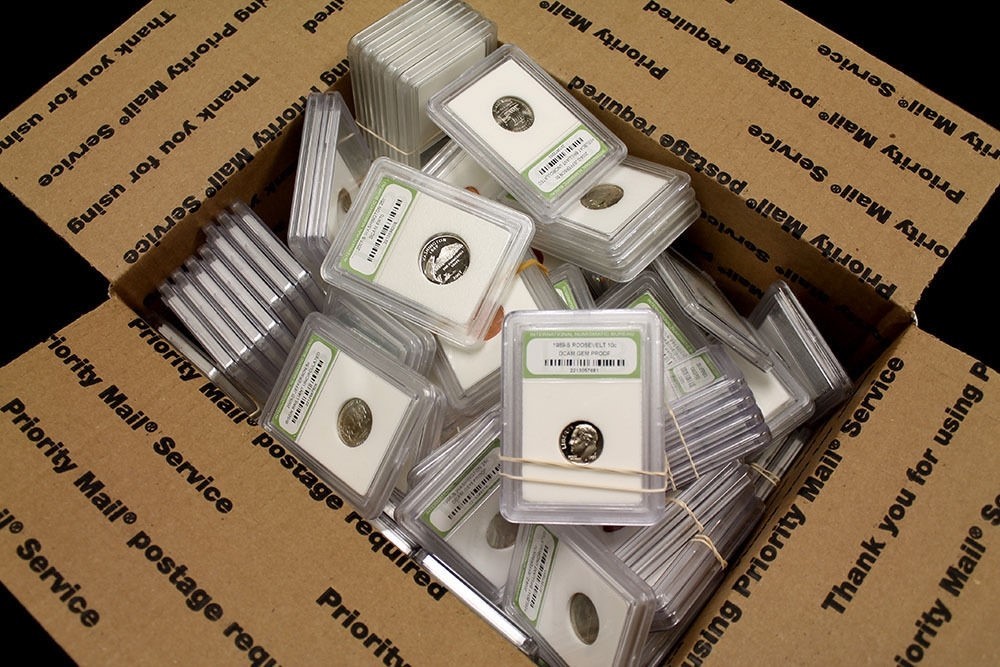
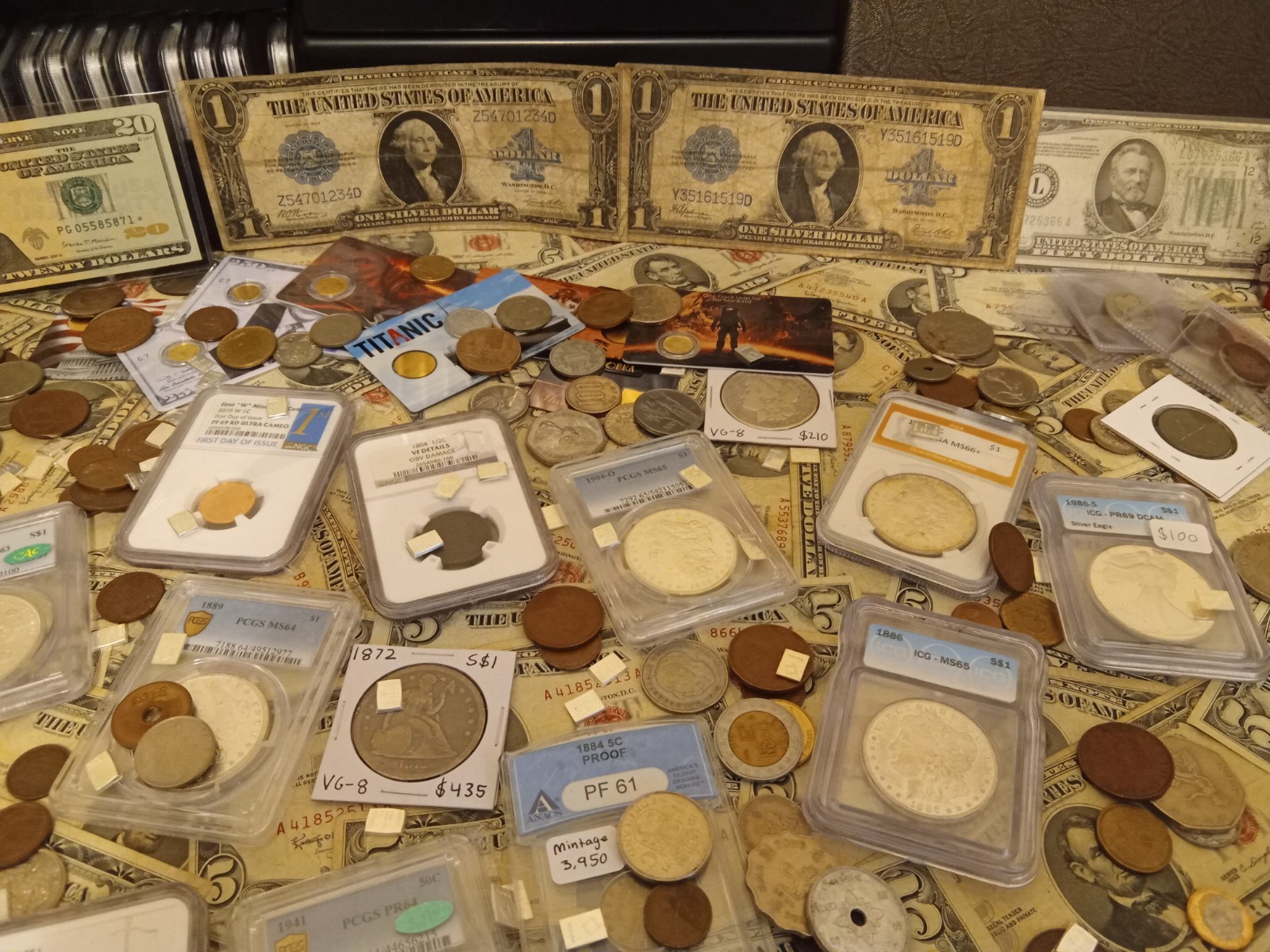
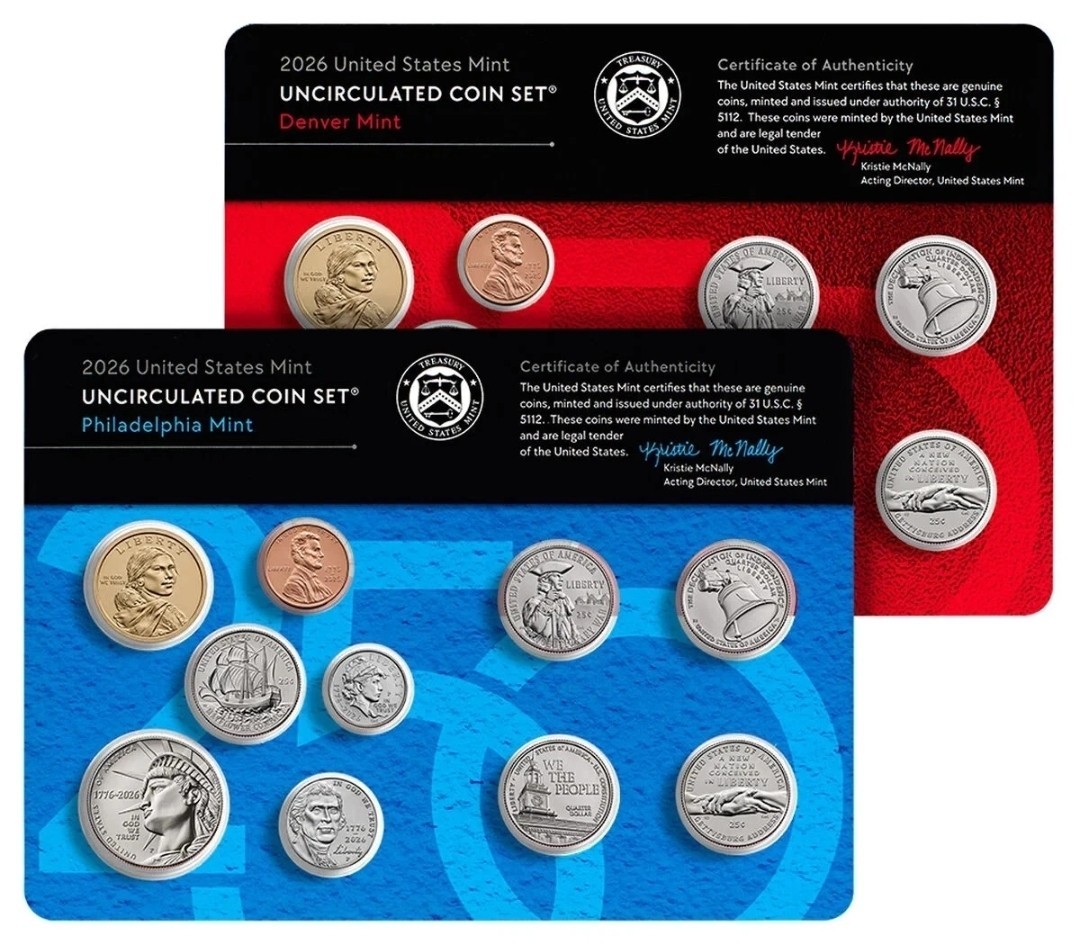
eBay links are affiliate links: JunkPal may earn a commission at no cost to you.