ما هو الصنف غير المتداول؟
ماذا يعني ذلك
الصنف غير المتداول (uncirculated variety) هو عملة تم سكها بحالة المصنع (لم تُستخدم في التجارة أبدًا) وتختلف عن النسخة الإنتاجية القياسية المتوقعة لتلك العملة. هذا الاختلاف هو انحراف محدد وقابل للتحديد. هذه التباينات ليست مجرد فروقات في التقييم (مثل علامة سطحية طفيفة)؛ بل هي تغييرات مادية جوهرية. تشمل الأمثلة تحولات في محاذاة القالب، أو تغييرات في السبائك المعدنية، أو تشققات محددة في القالب، أو مواضع فريدة لعلامة المصنع. بالنسبة للبائع، هذا يمثل نوعًا فرعيًا مميزًا ومُصنَّفًا. المكافئ العام هو "تنوع القالب" (die variation) أو "عملة خاطئة" (error coin)، لكن "صنف" (variety) يشير إلى تحول إنتاجي مقصود أو معترف به، وليس خطأً.
تأثيره على السعر
وجود صنف غير متداول مؤكد يزيد بشكل كبير من القيمة السوقية مقارنة بالإصدار غير المتداول القياسي. يعتمد المضاعف بشكل كبير على ندرة الصنف المحدد. قد يحقق صنف شائع وموثق علاوة تتراوح بين 1.5x إلى 3x فوق الدرجة الأساسية غير المتداولة. أما الصنف النادر حقًا والمُصنَّف، فيمكن أن يشهد مضاعفات تتجاوز 10x أو أكثر. مثال ملموس: قد تُباع عملة فضية غير متداولة قياسية مقابل 50 دولارًا. إذا تم تحديدها كصنف نادر وموثق، فقد تطلب بسهولة ما بين 150 دولارًا إلى 250 دولارًا، اعتمادًا على الطلب الحالي في السوق على هذا النوع الفرعي المحدد. عادةً ما يتجاهل المشترون الجادون التباينات الطفيفة غير الموثقة.
كيفية اكتشافه
يتطلب التحديد صورًا عالية الدقة ومقارنة بالمواد المرجعية المعمول بها. تشمل المؤشرات الرئيسية اختلافات دقيقة في تباعد الحروف، أو تشققات محددة في القالب، أو ضربات حافة فريدة. يجب على البائعين تقديم صور متعددة ومضاءة جيدًا وبمكبرات عالية—خاصة لقطات مقربة للتاريخ، وعلامة المصنع، وأي منطقة يُزعم وجود التباين فيها. تشمل الأخطاء الشائعة الخلط بين عيب تصنيعي (مثل خدش أو انبعاج) وبين صنف، أو الخلط بين دفعة إنتاج شائعة وبين متغير نادر. غالبًا ما تكون التزييفات نسخًا دقيقة للميزة المميزة للصنف؛ لذا فإن التحقق من الخبراء ضروري.
الشراء بذكاء
يبرر دفع علاوة مقابل صنف غير متداول فقط عندما يكون التباين موثقًا رسميًا في كتالوجات العملات الرئيسية (مثل أدلة PCGS، NGC) ويمكن للبائع تقديم دليل موثوق على وجوده. إذا تم الادعاء بالتباين دون التحقق منه، فإن العلاوة هي مخاطرة تخمينية. تتضمن الصفقة العادلة أن تكون العلاوة متناسبة مع مستوى الندرة المُثبت. إذا طالب البائع بعلاوة 5x لصنف مُدرج فقط على أنه "غير شائع" في دليل ثانوي، فمن المحتمل أن يكون السعر مبالغًا فيه.
البيع بذكاء
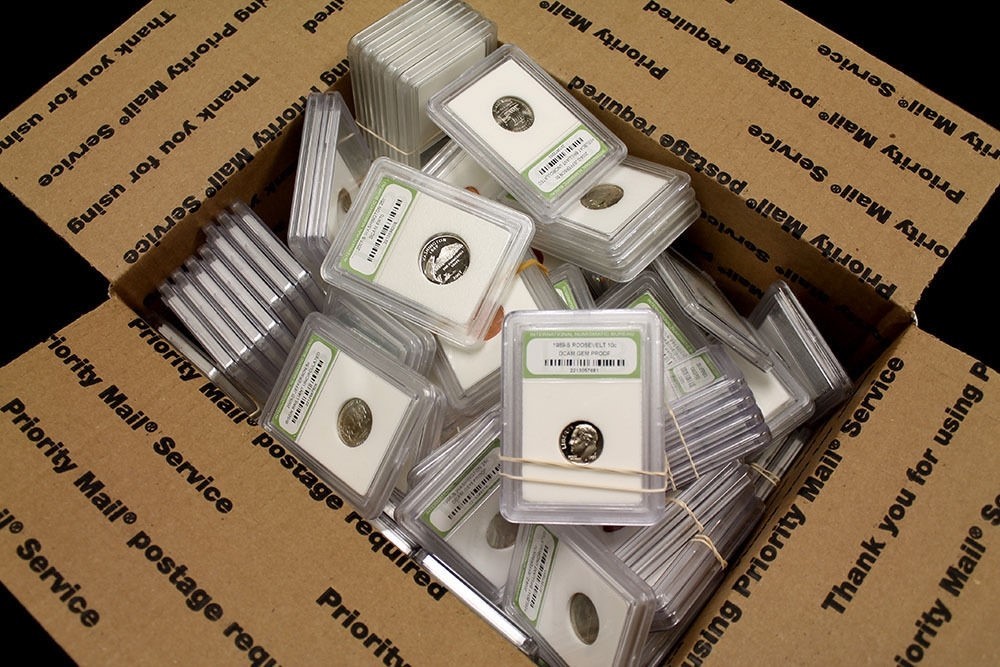
لتحقيق أقصى عائد، يجب أن يذكر الإدراج صراحةً الصنف المعترف به، مع الإشارة إلى التسمية في الكتالوج إن أمكن. لا تقل ببساطة "نادر". العنصر الوحيد الذي يكسب العلاوة هو *الإثبات*. وعادة ما يكون هذا عبارة عن صورة واضحة وعالية الدقة تركز مباشرة على الميزة المميزة، مصحوبة ببيان يؤكد تصنيف الصنف. إذا تم تقييم العملة بشكل احترافي (على سبيل المثال، وضعها في غلاف مُصنَّف/slabbed)، فإن وثائق شركة التقييم التي تؤكد حالة الصنف هي الدليل النهائي.
On eBay right now
Current asking prices from live listings — not sold-comp medians.



eBay links are affiliate links: JunkPal may earn a commission at no cost to you.