ما هي درجة غير متداولة؟
ماذا تعني
تعني درجة "غير متداولة" (Uncirculated) أن العملة لم تشهد تداولًا تجاريًا نشطًا. إنها تحافظ على اللمعان الأصلي والضربة الحادة التي قصدتها دار السك. هذا هو أعلى معيار للحالة الخام، ويختلف عن مصطلح "حالة معدنية" (Mint State - MS) الذي هو مصطلح عام. في التسلسل الهرمي للتقييم، تمثل "غير متداولة" خط الأساس للعملات التي لم يتم التعامل معها أو تداولها. غالبًا ما يتم استبدال هذا المصطلح بدرجات رقمية محددة (مثل MS-65، PR-67) يحددها خدمات التقييم من طرف ثالث (PCGS، NGC)، والتي توفر مقياسًا موضوعيًا لجودة السطح، بما في ذلك علامات الحقيبة (bag marks) أو الاحتفاظ بلمعان دار السك.
تأثيرها على السعر
تُعد حالة "غير متداولة" المحرك الأساسي لتحديد الأسعار المتميزة. بالنسبة لعملة حديثة شائعة، يمكن أن يبلغ الفرق بين مثال متداول ومثال معتمد كـ "غير متداول" ما بين 5 إلى 20 ضعف قيمتها السائبة (loose value). بالنسبة للإصدارات النادرة أو الأقدم، يكون المضاعف أسيًا. قد تبلغ قيمة عملة مصنفة MS-65 ما بين 3 إلى 8 أضعاف سعر مثال مكافئ متداول. تشمل العوامل التي ترفع السعر اللمعان العالي، والاحتفاظ بالتفاصيل الحادة على النقاط العالية (مثل الشعر أو الكتابة)، واجتياز المصادقة من طرف ثالث. يمكن لخدش سطحي واحد ملحوظ أو انبعاج، حتى على عملة مثالية من الناحية الأخرى، أن يخفض القيمة بنسبة 30% أو أكثر، اعتمادًا على ندرة العملة.
كيف تكتشفها
يتطلب الفحص البصري استخدام عدسة مكبرة. ابحث عن حواف حادة على جميع العناصر؛ يجب ألا تبدو الكتابة ناعمة أو مستديرة. يجب أن يكون اللمعان الأصلي لدار السك - وهو البريق الشبيه بالمرآة - موجودًا وغير منقطع. يجب على البائعين تقديم صور عالية الدقة تظهر السطح بأكمله، بما في ذلك الحقول (المناطق المسطحة) والعناصر التصميمية (devices). تشمل الأخطاء الشائعة "علامات الحقيبة" (bag marks)، وهي تآكلات خفيفة ومقوسة غالبًا ما تسببها ملامسة داخل التغليف. من الأخطاء الشائعة وغير المقصودة الخلط بين عملة محفوظة جيدًا وتم التعامل معها بخفة (والتي قد تُصنف AU - تقريبًا غير متداولة) وبين عينة "غير متداولة" نقية تمامًا.
الشراء بذكاء
يتم تبرير دفع علاوة سعرية للحصول على حالة "غير متداولة" فقط عندما تكون ندرة العملة أو أهميتها التاريخية عالية. بالنسبة لعملات السبائك الحديثة الشائعة، غالبًا ما لا تبرر العلاوة السعرية على درجة أقل التكلفة ما لم تكن العملة جزءًا من مجموعة محددة وعالية الطلب. عندما تكون العملة نادرة (على سبيل المثال، مجموعات البروف (proof) ذات الإصدار المنخفض أو الإصدارات النادرة التي سبقت الحرب)، تكون العلاوة ضرورية لتأمين النسخة الأعلى جودة. تتضمن الصفقة العادلة أن يكون سعر الطلب ضمن 10-15% من نتائج المزادات المعمول بها للعملات المصنفة من قبل نفس الخدمة المعترف بها.
البيع بذكاء
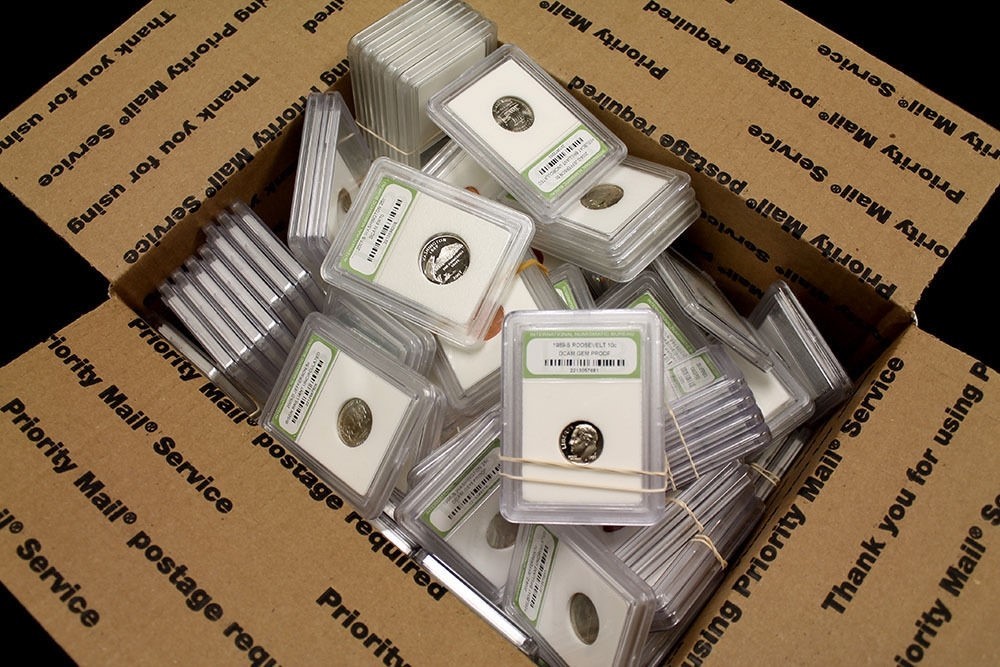
إن إدراج عملة على أنها "غير متداولة" دون دليل داعم يجذب عروضًا منخفضة. يتم تحقيق العلاوة عندما يتم تصنيف العملة بشكل احترافي وتغليفها في غلاف (slabbed) من قبل خدمة معترف بها (NGC/PCGS). تُعد صورة ملصق الشهادة الرسمي، الذي يوضح الدرجة وختم شركة التقييم، العنصر الأكثر فعالية لتبرير سعر بيع مرتفع. إذا كنت تبيع العملة خامًا (غير مصنفة)، فيجب تقديم تصوير ماكرو مفصل يوضح عدم وجود تآكل ووجود لمعان كامل لتخفيف مخاطر المشتري.
On eBay right now
Current asking prices from live listings — not sold-comp medians.



eBay links are affiliate links: JunkPal may earn a commission at no cost to you.