ما هو التاريخ القصير؟
ماذا يعني
التاريخ القصير هو عملة سُكّت بسنة رقمية أصغر من التاريخ المعمول به والمُثبت لنوع العملة المحدد. هذا نوع محدد من أخطاء السك، وليس مجرد تاريخ غير عادي. المكافئ الشائع لهذا هو "خطأ في التاريخ" (date error). تحدث هذه الأخطاء أثناء دورات الإنتاج، وغالباً ما تكون بسبب إعداد القالب أو تغيير الصفائح. ترتبط أهمية هذا الخطأ مباشرة بالندرة؛ حيث أن عدد الأمثلة التي تحمل هذا التاريخ الخاطئ والتي نجت أو تم إنتاجها أقل مقارنة بالإصدار القياسي. يشير المصطلح إلى انحراف يمكن التحقق منه عن التاريخ المقصود.
تأثيره على السعر
تتفاوت التأثيرات على قيمة إعادة البيع بشكل كبير، اعتماداً على الندرة الأساسية للعملة وشدة الخطأ وتوثيقه. يمكن للتاريخ القصير الموثق والمعترف به أن يولد علاوات كبيرة. بالنسبة لنوع عملة شائع، قد يطلب التاريخ القصير المؤكد مضاعفاً يتراوح بين 3 أضعاف و 10 أضعاف التقييم القياسي، اعتماداً على طلب السوق لهذا الخطأ المحدد. في المقابل، قد لا يضيف التباين في التاريخ غير الموثق أو الغامض أي قيمة، أو لا يضيف شيئاً على الإطلاق. على سبيل المثال، قد تُباع عملة قياسية بقيمة 1 دولار مقابل 5 دولارات بشكل مفرد؛ إذا كان هناك تاريخ قصير مُتحقق منه، فقد يرفع ذلك القيمة بسهولة إلى 30 دولاراً أو أكثر إذا تم التعرف على الخطأ.
كيف تكتشفه
المعيار هو المقارنة المباشرة بين السنة المنقوشة والتاريخ المُثبت في الكتالوج لتلك العملة. يجب على البائعين تقديم صور عالية الدقة لحقل التاريخ. ابحث عن تناقضات بين التاريخ وعلامات السك الأخرى أو خصائص القالب، لأن بعض الأخطاء تتعلق بالقالب نفسه، وليس فقط بطباعة السنة. الأخطاء الشائعة هي أخطاء نسخ بسيطة من قبل البائع، وليست أخطاء حقيقية. التزييف نادر ولكنه قد يشمل قوالب معدلة بشكل طفيف. قم دائماً بمقارنة التاريخ الملحوظ مع كتالوجات العملات المعتمدة (مثل أدلة PCGS/NGC) للتأكد مما إذا كان التاريخ القصير هو نوع معروف ومُدرج في الكتالوج أو مجرد خطأ بسيط.
الشراء بذكاء
إن دفع علاوة مقابل تاريخ قصير يكون مبرراً فقط عندما يكون الخطأ موثقاً جيداً، ومعترفاً به من قبل خدمات التصنيف الكبرى، والعملة الأساسية نفسها مرغوبة. إذا كان الخطأ غير موثق أو كانت العملة شائعة بطبيعتها، فقد لا يغطي المبلغ الإضافي المخاطر. تتضمن الصفقة العادلة أن تكون العلاوة معقولة بالنسبة للندرة الموثقة. إذا تم تسعير عملة بمقدار 5 أضعاف القيمة القياسية، فيجب أن يكون المشتري متأكداً من أن الخطأ هو نوع مُتحقق منه ومرغوب فيه بشدة، وليس مجرد شذوذ بسيط وغير مُثبت.
البيع بذكاء
إثبات التاريخ القصير في القائمة يحول عملية البيع من معاملة قياسية إلى بيع مقتنيات متخصصة. العنصر الأكثر فعالية هو صورة واضحة ومركزة لحقل التاريخ، ويفضل أن تُظهر التاريخ في سياق حافة العملة أو حافتها. استخدام التسمية الكتالوجية المحددة للخطأ في العنوان (على سبيل المثال، "عملة XYZ - نوع التاريخ القصير") يشير فوراً للمشترين المتخصصين إلى أن العنصر موثق، مما يسمح للبائع بطلب العلاوة المناسبة دون مفاوضات مطولة.
On eBay right now
Current asking prices from live listings — not sold-comp medians.

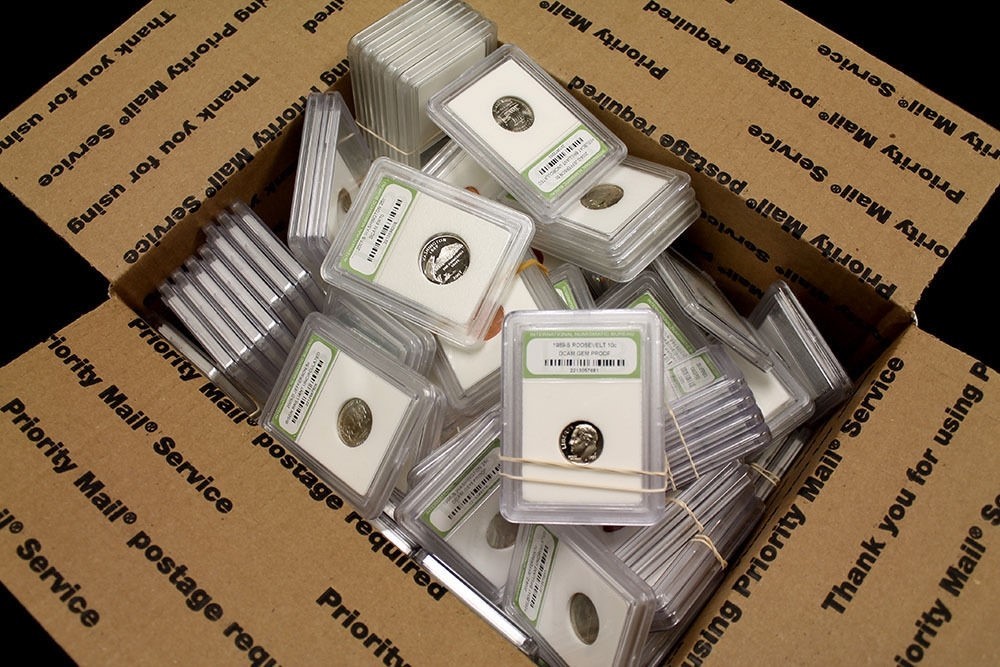


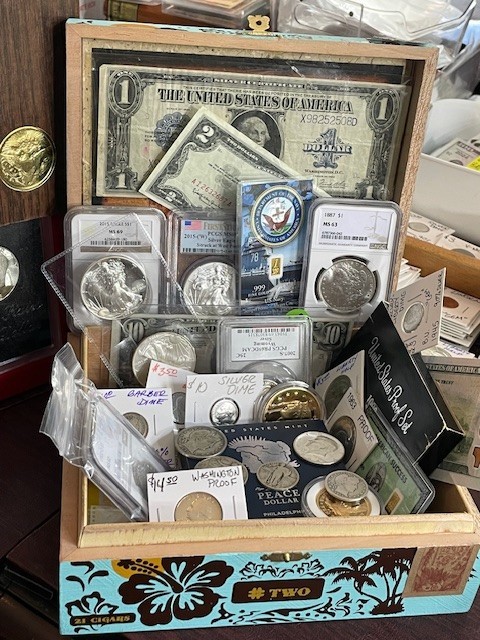
eBay links are affiliate links: JunkPal may earn a commission at no cost to you.