ما هو التغليف الأصلي؟
ماذا يعني
يشير التغليف الأصلي إلى الحاوية المحددة والمزودة من المصنع والتي بيعت أو صدرت فيها العملة لأول مرة. هذا يختلف عن الحافظات الواقية التي تأتي من السوق الثانوية (مثل الـ flips أو الـ slabs). بالنسبة لهواة جمع العملات، يحدد هذا التغليف "المصدر" (provenance) – أي التاريخ الموثق للقطعة. إنه وسيط العرض الأصلي. في حين أن التعريف المختصر يوضح أهميته، فإن المحرك الأساسي للقيمة ليس مجرد "التخزين النقي"؛ بل هو التأكيد على أن العملة لم تُخرج أبداً من سياق البيع بالتجزئة أو التداول المقصود. المكافئ الشائع هو "تغليف حالة العملة الجديدة" أو "غلاف البيع الأصلي".
تأثيره على السعر
يعمل وجود التغليف الأصلي كمضاعف حالة يمكن التحقق منه. بالنسبة للعملات الشائعة، تكون العلاوة ضئيلة (أقل من 5%). أما بالنسبة للعملات النادرة، أو ذات الدرجة العالية، أو العملات المعيبة، فيمكن أن يتراوح المضاعف من 2x إلى 5x قيمة العملة السائبة. يضيف التغليف طبقة من الندرة تتجاوز العملة نفسها. مثال شائع: قد تُباع عملة لينكون سنت نادرة من عام 1955، وهي سائبة، مقابل 50 دولاراً. نفس العملة في غلافها الأصلي والمختوم للبيع بالتجزئة يمكن أن تصل قيمتها إلى 125 دولاراً إلى 250 دولاراً، شريطة أن يكون الغلاف سليماً. أي تلف في التغليف (تمزقات، تغير في اللون، أختام مفقودة) يلغي فوراً معظم هذه العلاوة.
كيف تكتشفه
يتطلب التحقق فحص نوع التغليف المحدد. بالنسبة للإصدارات الحديثة، قد يكون هذا بطاقة من نوع "blister card" أو حافظة بلاستيكية محددة تحمل علامات الشركة المصنعة. بالنسبة للعملات الأقدم، قد يكون غلافاً ورقياً معيناً أو غلافاً كرتونياً صغيراً. يجب على البائعين تقديم صور عالية الدقة للتغليف نفسه، وليس للعملة فقط. ابحث عن أرقام التسلسل المطبوعة على التغليف والتي تتطابق مع العملة، وتحقق من وجود أي شريط ختم مصنعي أو ميزات أمنية مرقمة. من الأخطاء الشائعة أن يستخدم البائعون أكماماً واقية عامة وغير أصلية ويعرضونها على أنها تغليف مصنعي.
الشراء بذكاء
يبرر دفع علاوة مقابل التغليف الأصلي عندما تكون العملة نفسها نادرة، أو ذات أهمية تاريخية معروفة، أو مصنفة بدرجة عالية. إذا كانت العملة شائعة والتغليف مجرد غلاف بيع بالتجزئة قياسي وسهل الاستبدال، فمن المحتمل أن تكون العلاوة مبالغاً فيها. تتضمن الصفقة العادلة أن تكون حالة التغليف متناسبة مع ندرة العملة. إذا جاءت عملة ذات قيمة عالية في تغليف متضرر بشدة، فيجب أن يعكس السعر انخفاض المصدر، حتى لو كانت العملة نفسها مثالية.
البيع بذكاء
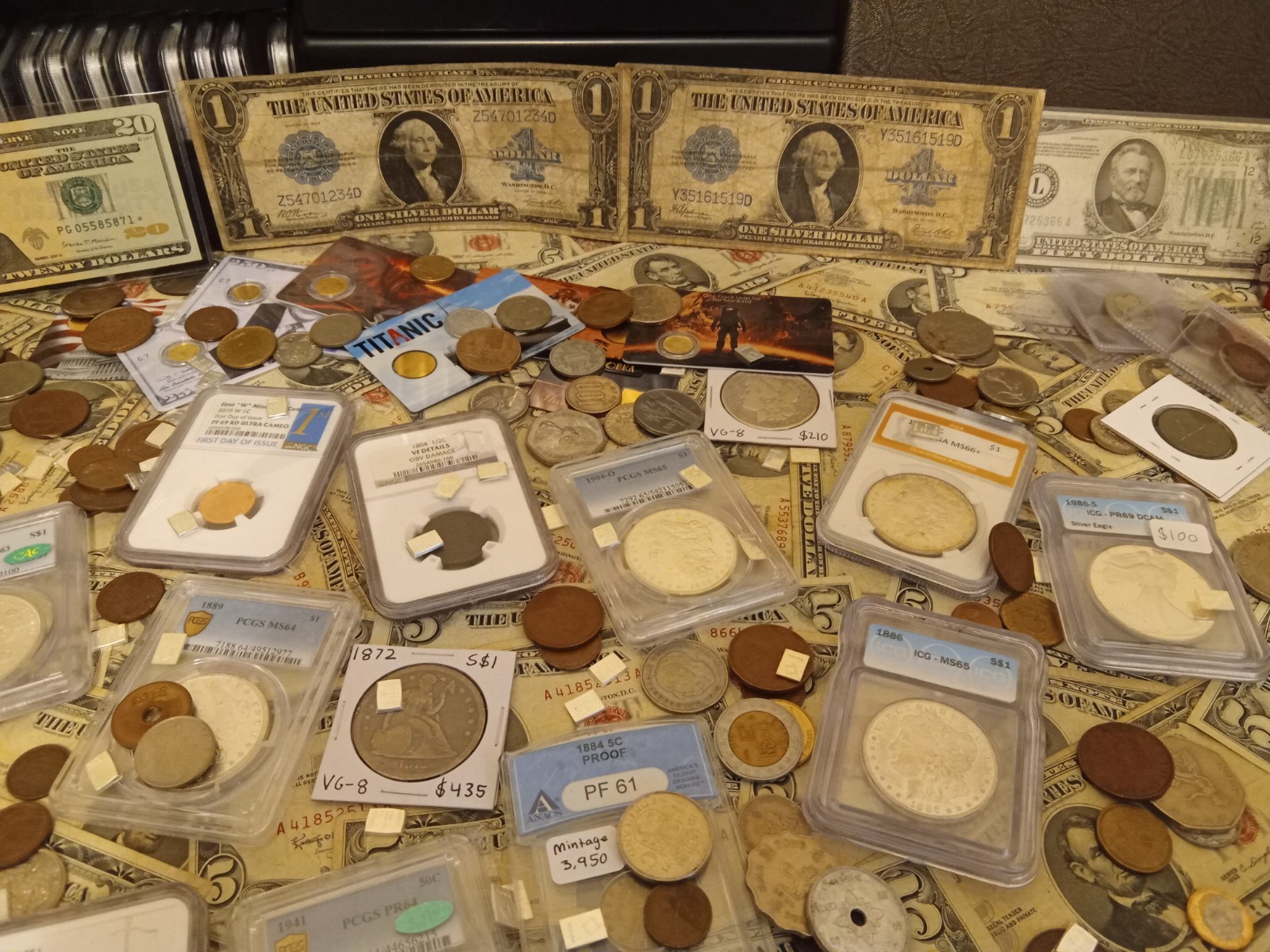
يعد إدراج العنصر مع صور واضحة ومفصلة للتغليف أمراً إلزامياً لتعظيم سعر البيع. العنصر الأكثر فعالية في القائمة هو صورة تُظهر العملة *داخل* التغليف الأصلي، وتُظهر بوضوح علامة الشركة المصنعة أو عناصر الختم. استخدام المصطلح المحدد "Original Factory Packaging" (التغليف الأصلي للمصنع) في العنوان والوصف يشير للمشترين المطلعين إلى أن العنصر يلبي معياراً أعلى من الاكتمال، مما يبرر سعراً أعلى من نظيره السائب.
On eBay right now
Current asking prices from live listings — not sold-comp medians.



eBay links are affiliate links: JunkPal may earn a commission at no cost to you.