ما هي السبيكة؟
ماذا تعني
السبيكة، في علم المسكوكات (numismatics)، هي المزيج المحدد من المعادن المستخدمة لإنشاء العملة. هي ليست مجرد "معدن"؛ بل هي التركيب الكيميائي الدقيق. العملة المصنوعة من معدن نقي تكون من عنصر واحد (مثل الفضة النقية). أما العملة السبيكية فتُصنع من دمج معدنين أو أكثر (مثل النحاس والزنك). يحدد هذا التركيب القيمة الجوهرية للعملة. يهتم هواة الجمع بشكل أساسي بما إذا كانت السبيكة ثمينة (ذهب، فضة، بلاتين) أو أساسية (نحاس، برونز، نيكل). تحدد النسبة المحددة لهذه المعادن درجة نقاء العملة الرسمية.
تأثيرها على السعر
السبيكة هي المحرك الأساسي للقيمة الجوهرية. تحمل العملات الذهبية (عادة 90% أو أعلى) قيمة أساسية أعلى بكثير من إصدارات النحاس والنيكل، بغض النظر عن حالة السطح. العملة الفضية بنقاوة 90% ستطلب دائمًا سعرًا أدنى أعلى من عملة فضية بنقاوة 50% من نفس التاريخ والدرجة. بالنسبة للعملات المعدنية الأساسية، تحدد السبيكة مقاومة التآكل والطلب في السوق؛ بعض السبائك (مثل البرونز عالي النحاس) مرغوبة أكثر من غيرها. إذا تبين أن عملة مُعلنة على أنها فضية هي في الواقع سبيكة زنك منخفضة الجودة، يمكن أن تنخفض قيمتها السوقية بنسبة 70-90% على الفور.
كيف تكتشفها
يتطلب التحديد أكثر من مجرد الفحص البصري. بالنسبة للمعادن الثمينة، تعتبر الفحوصات البصرية للون والوزن إجراءات أولية. يتمثل الفحص الحاسم في التحليل المخبري (assaying) أو الرجوع إلى المواصفات المعروفة. يجب على البائعين تقديم درجة النقاء المعلنة للعملة (على سبيل المثال، .900 للذهب بنسبة 90%). تشمل الأخطاء الشائعة سوء التسمية؛ حيث قد تُباع عملة نحاسية أحيانًا على أنها "سبيكة فضية منخفضة الجودة" بسبب التعتيق (patina). غالبًا ما تستخدم العملات المزيفة خلطات سبائك غير صحيحة لمحاكاة التركيبات التاريخية. اطلب دائمًا صورًا عالية الدقة لعلامة سك العملة وأي شهادة تحليل مصاحبة إذا كانت متاحة.
الشراء بذكاء
لا يكون دفع علاوة سعرية بناءً على السبيكة مبررًا إلا عندما تكون درجة نقاء العملة المعلنة قابلة للتحقق ويطلب السوق هذا المعدن تحديدًا. إذا تم إدراج عملة على أنها "سبيكة فضية" دون تحديد درجة نقاء، فإن العلاوة تكون تخمينية. تتضمن الصفقة العادلة لعملة من معدن ثمين معروف أن تكون العلاوة مبررة بمحتوى المعدن *بالإضافة إلى* علاوة الندرة/الحالة. إذا تم إدراج عملة بنسبة 90% فضة، فيجب أن يعكس السعر سعر السوق الحالي للفضة بنسبة 90% مضافًا إليه علاوة معقولة للندرة المسكوكاتية. إذا كان السعر يعتمد فقط على تسمية "فضة" دون دليل على درجة النقاء، فإن المخاطرة تكون عالية جدًا.
البيع بذكاء
إثبات السبيكة هو أسرع طريقة لتأمين أعلى سعر. إن إدراج درجة النقاء الدقيقة (مثل "فضة ستيرلينغ 925" أو "ذهب 10k") يقوم فورًا بتصفية المشترين ويبرر نقطة سعر أعلى. الدليل الأكثر قيمة هو شهادة طرف ثالث (PCGS/NGC) تدرج صراحةً التركيب المعدني. إذا لم تكن هناك شهادة، فإن الصورة الماكرو الواضحة التي تظهر أي علامات أو أختام تحليل على حافة العملة أو سطحها هي الحد الأدنى المطلوب لدعم الادعاء بالسبيكة.
On eBay right now
Current asking prices from live listings — not sold-comp medians.


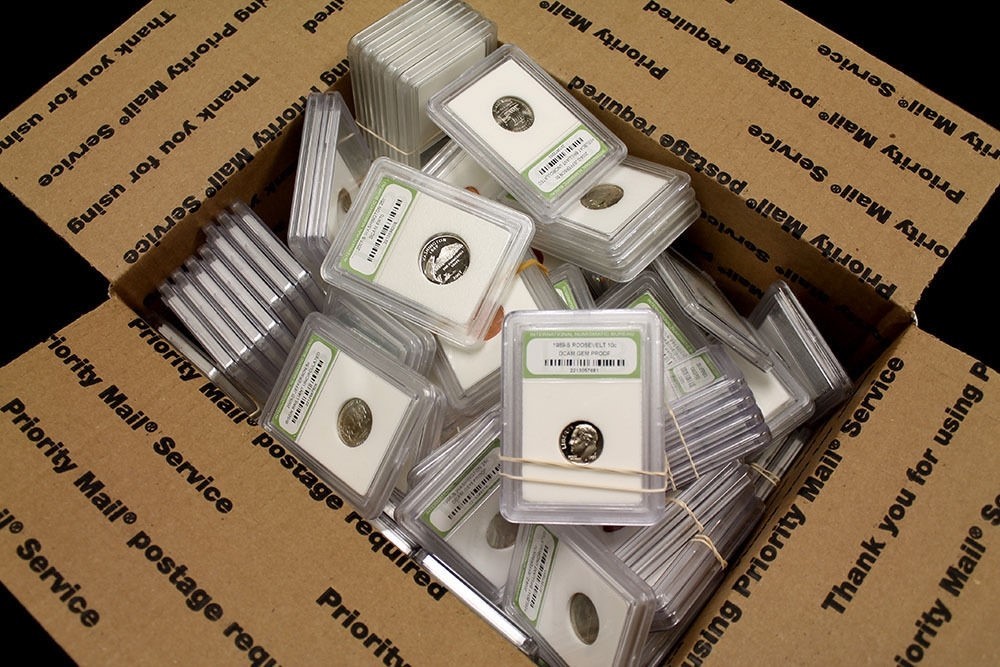
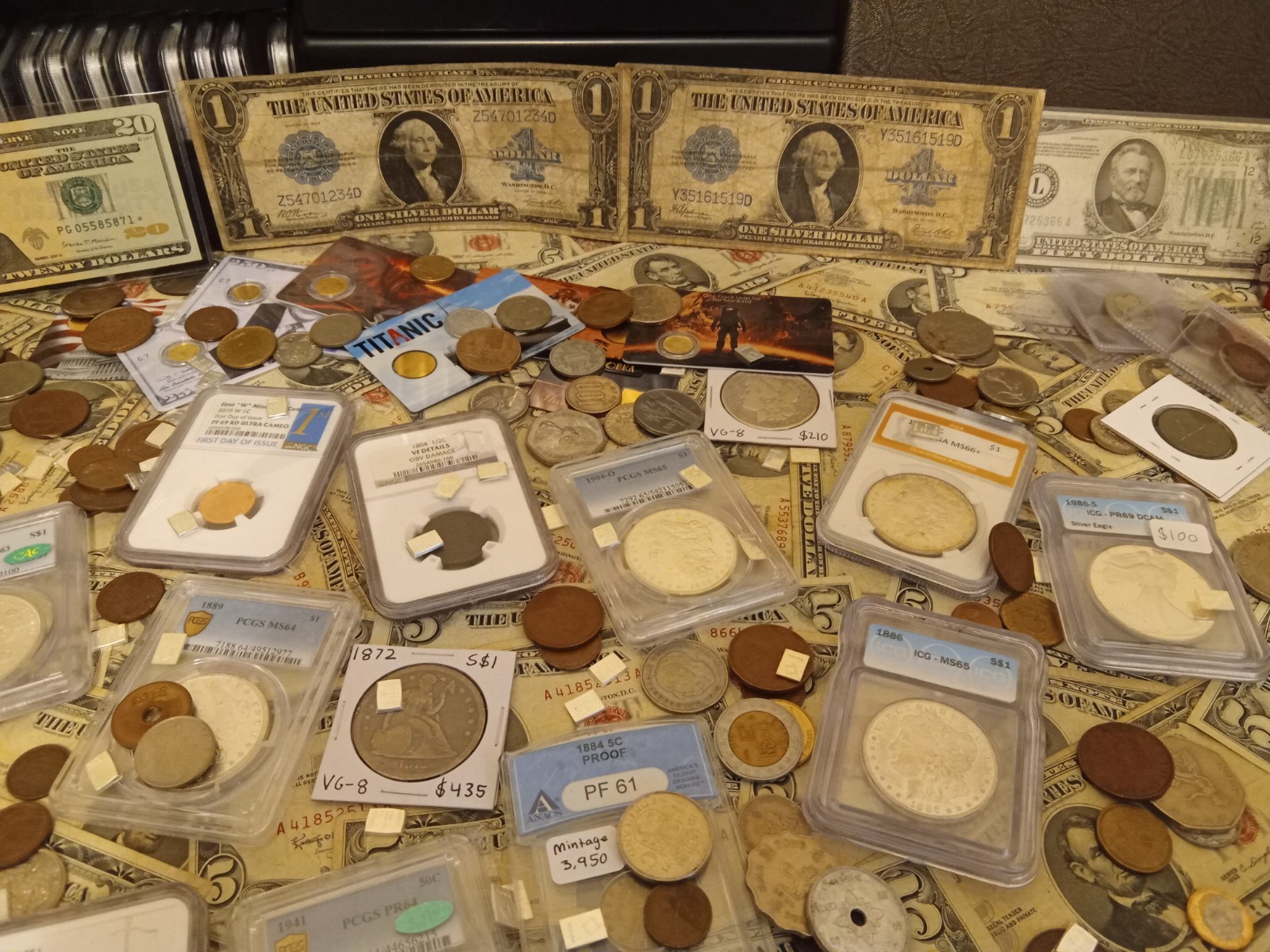
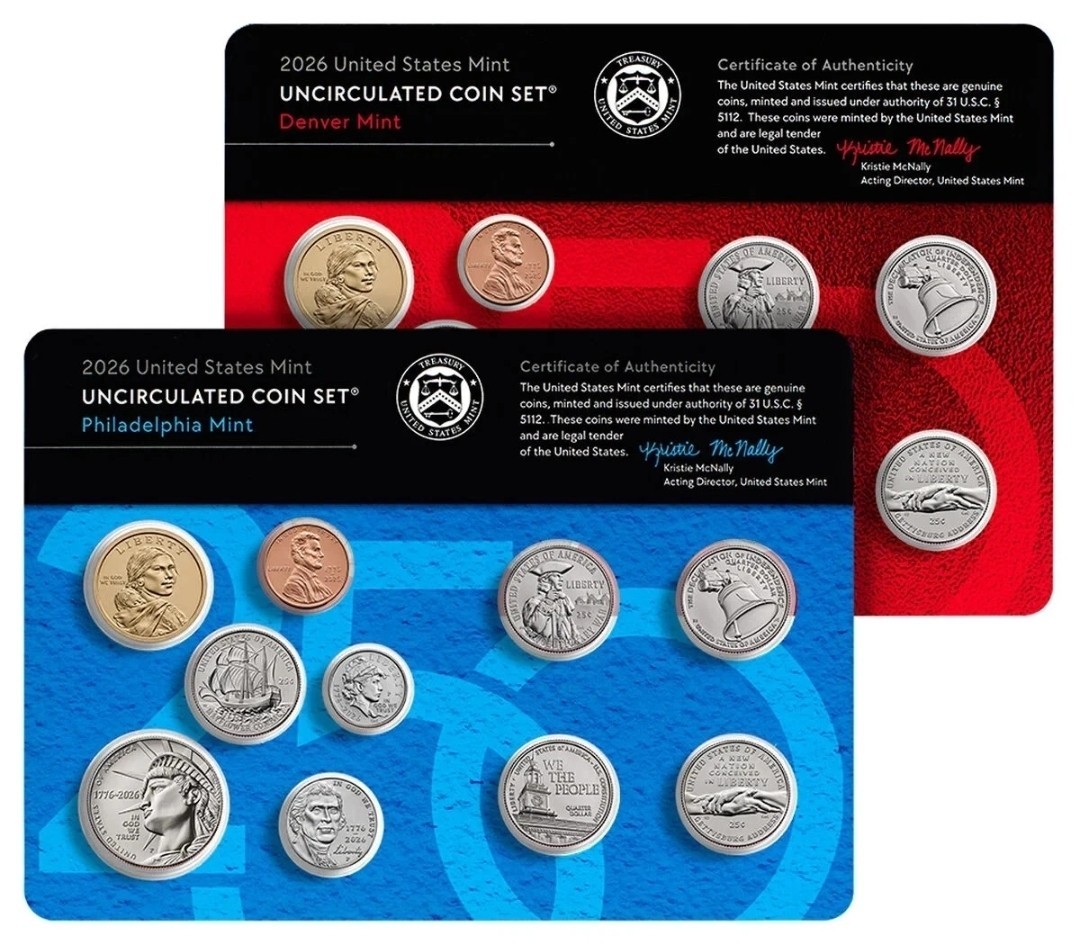
eBay links are affiliate links: JunkPal may earn a commission at no cost to you.