バッグホルダーとは?

意味するもの

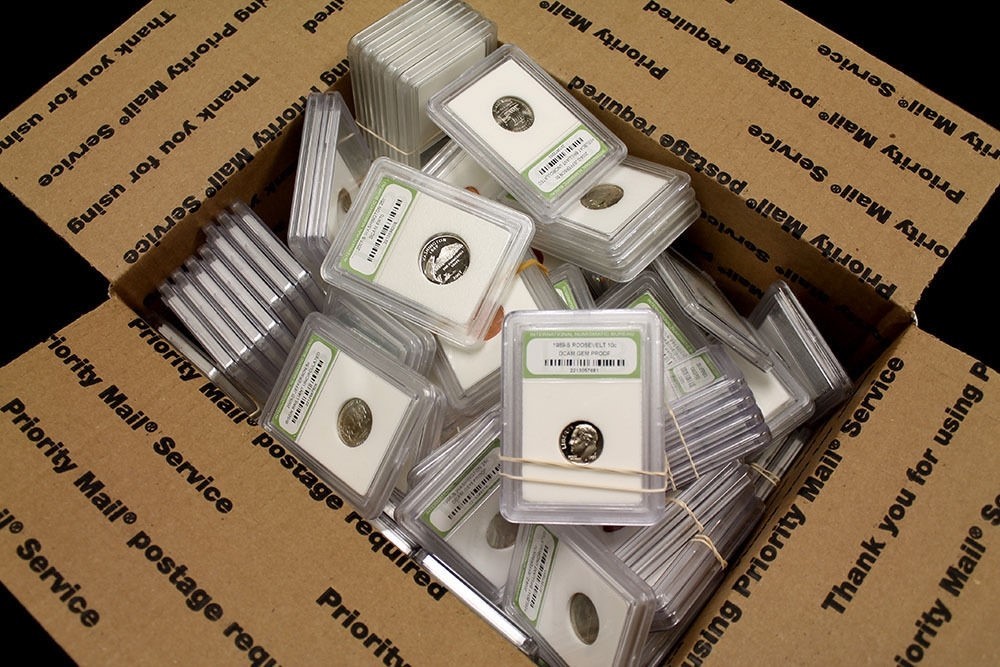
バッグホルダーとは、コインのための保護パッケージです。これは、個々のコインや少数のグループを隔離するために使用される、通常は不活性なプラスチック(MylarやPVCフリーのポリエチレンなど)または高品質のアーカイブ用段ボールで作られた密閉されたスリーブです。その機能はグレーディング(鑑定)ではなく、保存です。物理的な摩耗、取り扱いによる化学物質の付着、湿気侵入などの環境ダメージを防ぎます。一部のホルダーにはブランド名が付いていることもありますが、この用語は保護機能そのものを指します。一般的な同等物は、基本的なアーカイブ保管です。

価格への影響

適切な不活性なバッグホルダーがあることは、コインの希少性や市場セグメントに応じて、通常、裸のコインの価値に対して2%から10%程度のわずかな上乗せプレミアムを加えます。一般的な流通コインの場合、差額はごくわずかで、せいぜい$0.50から$2.00程度です。高額で希少な標本の場合、プレミアムは高くなる可能性があり、これはホルダーがコインが丁寧に扱われてきたことを証明し、購入者にとっての認識されるリスクを低減させるためです。目に見えて劣化している、または反応性の高いホルダー(例:黄変したり化学物質が溶け出したりしているもの)に保管されているコインは、コイン自体の本質的な価値に関わらず、価値が5%以上下落する可能性があります。

見分け方

本物のバッグホルダーは、通常、透明で硬質であり、目に見える化学残留物や変色がないものです。不活性な素材を探してください。PVCホルダーは大きな警告サインです。なぜなら、これらは可塑剤を放出し、銅や銀に緑色や茶色の斑点を引き起こすからです。販売者は、ホルダー自体だけでなく、コインが*中に入っている*状態を明確に示す写真を提示すべきです。よくある間違いは、トレーディングカード用の非アーカイブ性の「ディスプレイスリーブ」を使用することですが、これらはしばしば貨幣収集品には化学的に不向きです。この文脈での偽物は稀であり、問題となるのは通常、低品質または反応性のある素材がアーカイブ品として誤って表示されていることです。

スマートな購入

コインが高グレードであるか、非常に価値がある場合は、バッグホルダーに対してプレミアムを支払う価値があります。なぜなら、ホルダーは検証可能な予防的ケアの層として機能するからです。コインが一般的または低価値の場合は、ホルダーのわずかなコストが追加の出費を正当化しません。公正な取引とは、ホルダーがはっきりと見え、損傷がなく、不活性な素材で作られているように見えることです。販売者がホルダー内のコインの鮮明な画像を提供できない場合、購入者はそのコインが裸の状態であると見なし、保管プレミアムを取り除いて価格交渉をすべきです。

スマートな販売

品質の高い不活性なバッグホルダーに入れたコインをリストアップすると、そのアイテムに対する専門性と配慮が即座に高まります。これにより、購入者が取り扱いのリスクが低いと認識するため、より高い販売価格を設定できます。リストにおいて最も効果的な要素は、ホルダーの透明な素材を通して撮影された高解像度の写真であり、コインの表面状態がはっきりと見えるようにすることです。単に「バッグに入っている」と言うのではなく、「アーカイブ保管 (Archival Storage)」または「不活性ホルダー (Inert Holder)」という記述を使用することで、品質を示し、プレミアムを正当化できます。

On eBay right now

Current asking prices from live listings — not sold-comp medians.

See all ↗

eBay links are affiliate links: JunkPal may earn a commission at no cost to you.

More Coins & Currency terms

albumIn numismatics, an album refers to a specialized book or binder used to house, organize, and display coin collections. These albums are not just storage; they aalloyThis refers to the specific metallic composition of a coin, meaning it is made from a mixture of two or more metals rather than a single pure metal. Different aancient coinThis refers to numismatic items dating back to very early civilizations, often predating the common era. These pieces are significant not just as currency, but antique coinThis refers to a coin that is genuinely old, typically predating the modern era, and often carries historical significance. The term is broad, encompassing anytauthenticationThis process involves verifying the genuineness of a coin to ensure it is not a counterfeit. For collectors and resellers, authentication is paramount because aauthentication certificateAn authentication certificate is a document issued by a recognized third-party grading or authentication service that verifies the genuineness and condition of bag breakA bag break refers to the process where a dealer or collector purchases a large, bulk lot of coins, often referred to as a "bag," and then individually sorts, abag markA bag mark refers to a light surface abrasion or scuffing that occurs on a coin when it is stored in a plastic or cloth bag with other coins. These marks are tybaggedThis term refers to coins that have been stored or sold in bulk, often within plastic bags or pouches, rather than individually graded or displayed in protectivbagged varietyThis refers to a specific coin that exhibits a particular variation in its minting, design, or metal composition, and this variation is documented and recognizebandedThis term refers to a specific type of surface marking or feature on a coin, often indicating a deliberate design element or a form of wear pattern. In numismatbanknoteA banknote is a form of paper money issued by a central bank or government, representing a promise to pay a certain value. For collectors and resellers, the conbanknote gradeThis refers to the condition and quality assessment of paper currency, much like grading for coins. Instead of using traditional numismatic grades like MS or VFbronzeThis refers to a metal alloy primarily composed of copper, often mixed with tin or other elements, used in the casting or striking of certain numismatic items.
All Coins & Currency terms →