什么是玩具复古品?

含义解析

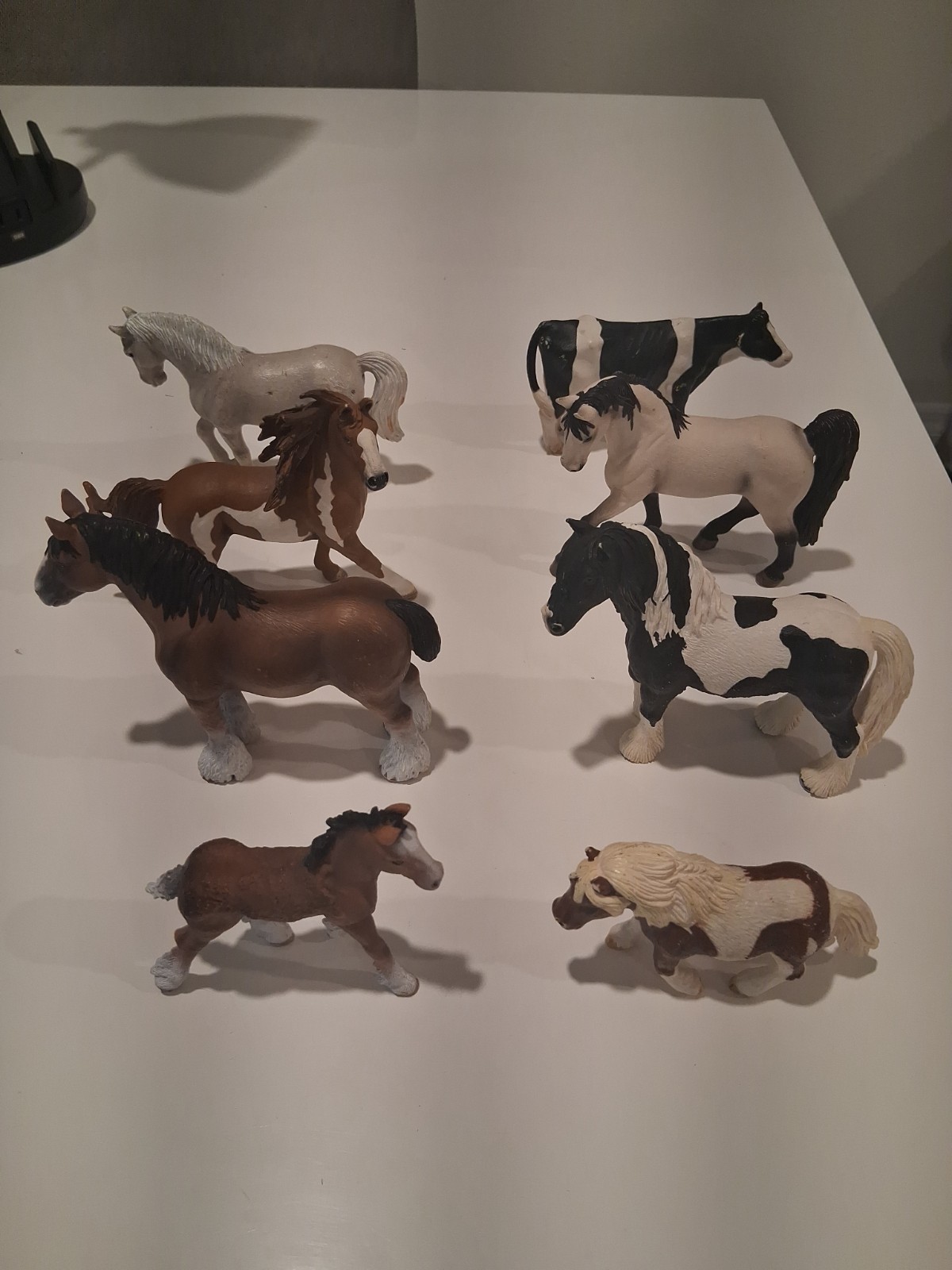
“玩具复古品”(Toy vintage)是一个广泛的分类,指的是在20世纪80年代末之前制造的玩具,但真正的收藏市场更侧重于1970年代以前的物品。这个术语是所有非现代或当代玩具的通用类别,它不是指一个具体的年龄,而是指其历史背景。其小众价值在于制造年代,这暗示了当时的时代设计、材料科学和文化相关性。它是“古董玩具”或“复古玩具”的通用说法,但“vintage”特指具有收藏价值的、可使用的物品,而非纯粹的装饰性古董。

对价格的影响

年龄是主要驱动因素,但品相是乘数。一个品相完好、盒装全新(CIB - Complete In Box)的理想1950年代玩具,其价格可以达到散装或已玩耍同类玩具的2到5倍。轻微的玩痕会使价值降低15-30%。严重的损坏(如肢体缺失、大面积漆面脱落)可能使价值降低50%或更多。例如,一个稀有的、完整的1960年代动作人偶可能售价150美元;而同一个缺少原包装且有明显接缝应力痕迹的人偶,可能只卖到50-75美元。真实性至关重要;一个逼真的现代仿制品可能只值真品的10-25%。

如何辨认

鉴定需要检查生产细节。寻找特定的模具标记、印在底座上的版权日期,或特定制造时期独有的涂装方法。对于老物件,要检查塑料或金属的成分;早期的塑料通常比现代PVC具有不同的光泽或手感。卖家必须提供玩具底部、关节以及任何可见工厂印章的高清照片。常见的错误是将后期的再版(严格意义上不算“vintage”)与原始生产批次混淆。假货通常具有过于锐利、现代感的涂装线条或错误的包装字体。

明智购买

当玩具稀有、具有文化意义或品相接近完美时,支付溢价是合理的。如果一个玩具很常见(例如,一个标准的80年代角色人偶),除非它是CIB,否则“vintage”带来的溢价微乎其微。如果物品严重损坏或缺乏可验证的来源证明,请避免仅凭“vintage”标签进行购买。一个公平的交易价格应反映其稀有性*和*当前的品相等级。如果卖家无法提供确认制造年份的文件或清晰照片,价格应至少打九折(20%折扣)来弥补验证风险。

明智销售

上架时必须立即确立物品的年代和品相。请使用具体的年份或年代,而不是仅仅使用“vintage”。突出原包装、说明书或工厂封条可以证明其价值,从而获得显著的溢价。上架中最有价值的元素是物品底座或标签的清晰特写照片,上面显示了制造商的版权日期。这张照片能将列表从“旧玩具”提升到“可验证的收藏品”,使卖家能够获得市场定价的最高层级。

On eBay right now

Current asking prices from live listings — not sold-comp medians.

See all ↗

eBay links are affiliate links: JunkPal may earn a commission at no cost to you.

Resale values related to 玩具复古品

Shop 玩具复古品 on eBay ↗

JunkPal may earn a commission when you buy through eBay links, at no extra cost to you.

What’s worth the most

Ranked on medians of real closed eBay sales, not asking prices.

More Toys terms

accessorizedThis describes a toy that comes with additional, supplementary pieces beyond the main figure or item. These extras could include clothing, weapons, vehicles, oraccessory setThis term refers to a collection of smaller, often supplementary items that accompany a main toy or collectible figure. These can range from miniature weapons aaction figureThese are articulated, miniature representations of characters from media such as comics, movies, or video games. They are designed to be posed and displayed, oaction figure buildThis refers to the process where a collector or reseller assembles an action figure from its various component parts, often when the figure comes in a kit form action figure chaseThis refers to a specific variant or rare version of an action figure within a production run, often designated as a "chase" item. Manufacturers intentionally iaction figure gradeThis refers to the overall condition and quality assessment of an action figure, much like grading a comic book or trading card. Collectors and resellers use spaction figure lineAn action figure line refers to a cohesive series of collectible figures produced by a specific manufacturer, usually based on a particular intellectual propertaction figure lotThis refers to a collection of multiple action figures sold together as a single unit, rather than individually. Buyers often seek these lots for bulk purchasinaction figure packaging variantThis refers to subtle or significant differences in the outer box or blister card used to present a specific action figure. These variations can include differeaction figure scaleThis refers to the standardized size or proportion of a collectible figure relative to real-life objects or other figures in a line. Common scales include 1:12,action figure variantThis refers to a specific, often subtle, variation of a commonly produced action figure. These differences can range from minor paint application changes, uniquaction figure variant huntThis refers to the dedicated pursuit by collectors and resellers to find subtle or significant differences between otherwise identical toys. These variations caalternate sculptThis refers to a variation of a toy's original design, often featuring a different mold, paint application, or accessory set while maintaining the core characteappraisalThis refers to the professional evaluation of an item's worth, typically conducted by an expert in the specific collecting niche, such as vintage toys or action
All Toys terms →