What does “accessorized” mean?
What it means
"Accessorized" means the toy unit—the primary figure, vehicle, or playset—is accompanied by all its intended, original supplementary components. These components are not generic extras but are specific parts designed to interact with the main item. Examples include specialized weaponry, alternative outfits, small environmental terrain pieces, or secondary vehicles. In the collecting niche, "accessorized" is synonymous with "complete set." The definition excludes items that are merely packaged with generic, non-specific promotional items unless those items were explicitly part of the original retail configuration.
What it does to price
Completeness drives value. A fully accessorized item typically commands a 1.8x to 3.5x premium over the same item sold "loose" (without accessories). The presence of rare or highly sought-after accessories (e.g., a specific alternate head sculpt or a unique weapon accessory) can push the multiplier toward the higher end of that range, sometimes exceeding 4x. Conversely, if a key, integral accessory is missing—such as a character's primary weapon or a vehicle's required canopy—the item is immediately downgraded to "incomplete," often resulting in a 30-50% price reduction, regardless of the figure's condition. For example, a $50 figure sold loose might fetch $60; the same figure with all accessories might fetch $120.
How to spot it
Verification requires checking the original packaging inserts or promotional material, if available. For modern toys, the tell is the presence of specific part numbers matching the retail SKU. When buying used, sellers must provide high-resolution photographs of every single piece. Look for evidence of matching paint applications across accessories; mismatched paint suggests aftermarket modification or a mixed-lot sale. A common mistake is assuming a generic piece is original; collectors must confirm the accessory matches the specific release year and SKU of the main toy. Fakes often use generic, unbranded accessories that do not match the primary item's aesthetic or material quality.
Buying smart
Paying a premium for an accessorized item is justified when the item is a high-value, hard-to-find piece, or when the accessory itself is a significant collectible in its own right (e.g., a rare vehicle). Paying the premium is not worth it if the accessories are visibly damaged, heavily scratched, or appear to be cheap knock-offs. A fair deal is one where the listed price reflects the known market value of the *entire* set, not just the main figure. If the seller lists the item as "complete" but refuses to provide clear photos of the smallest parts, the price is inflated until proof is supplied.
Selling smart
To maximize return, the listing must explicitly state "Complete Set" or "Fully Accessorized." The single most effective element in a listing is a high-resolution, well-lit photograph displaying *all* accessories laid out next to the main figure, preferably against a neutral background. This visual proof immediately validates the premium price. Using the term "Mint in Box with All Accessories" is strong, but "Complete Set, Verified" is more direct for the reseller audience. Listing the item as "Complete" allows the buyer to skip the tedious verification process, translating directly into a higher, faster sale price.
On eBay right now
Current asking prices from live listings — not sold-comp medians.

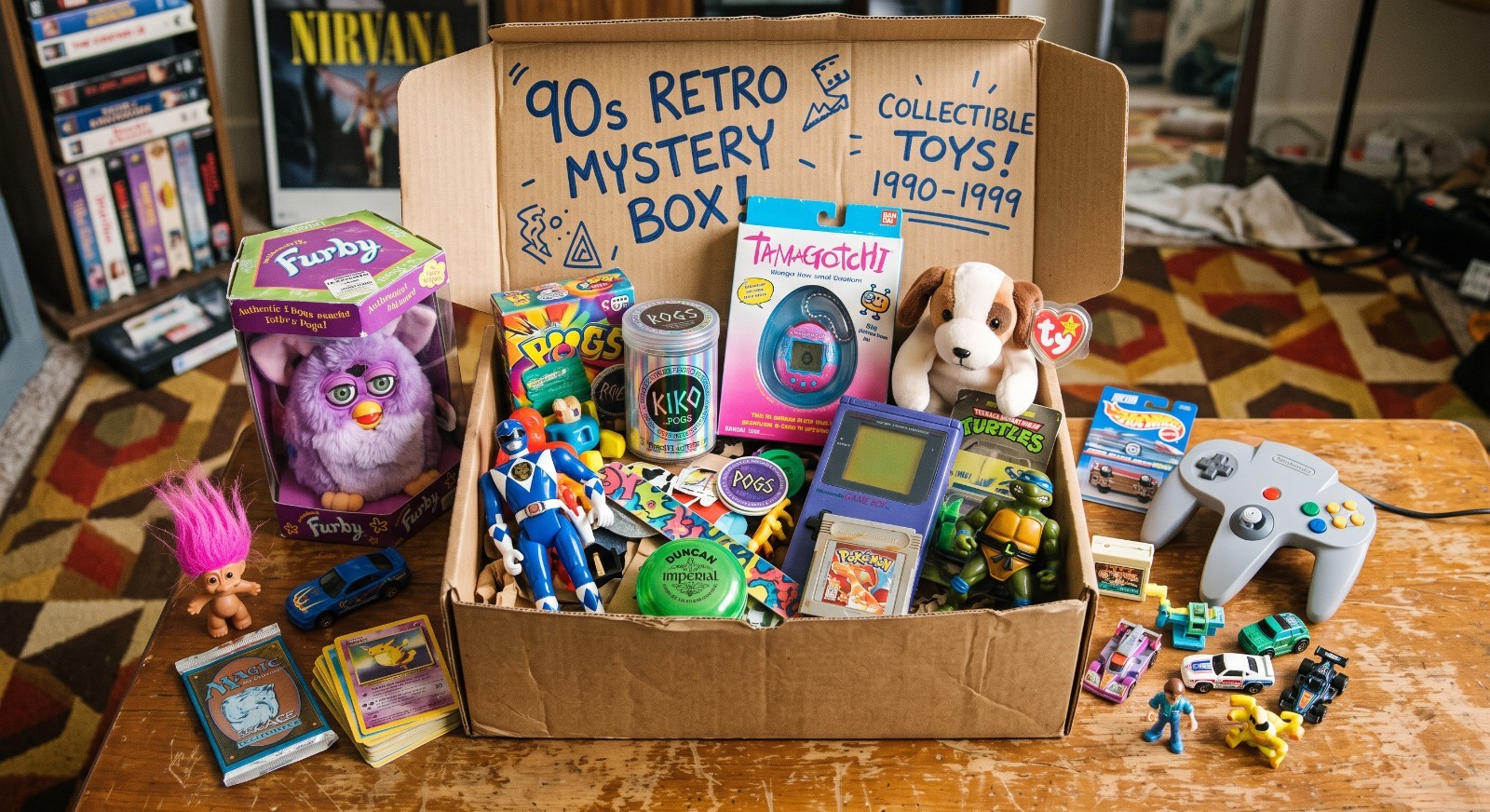

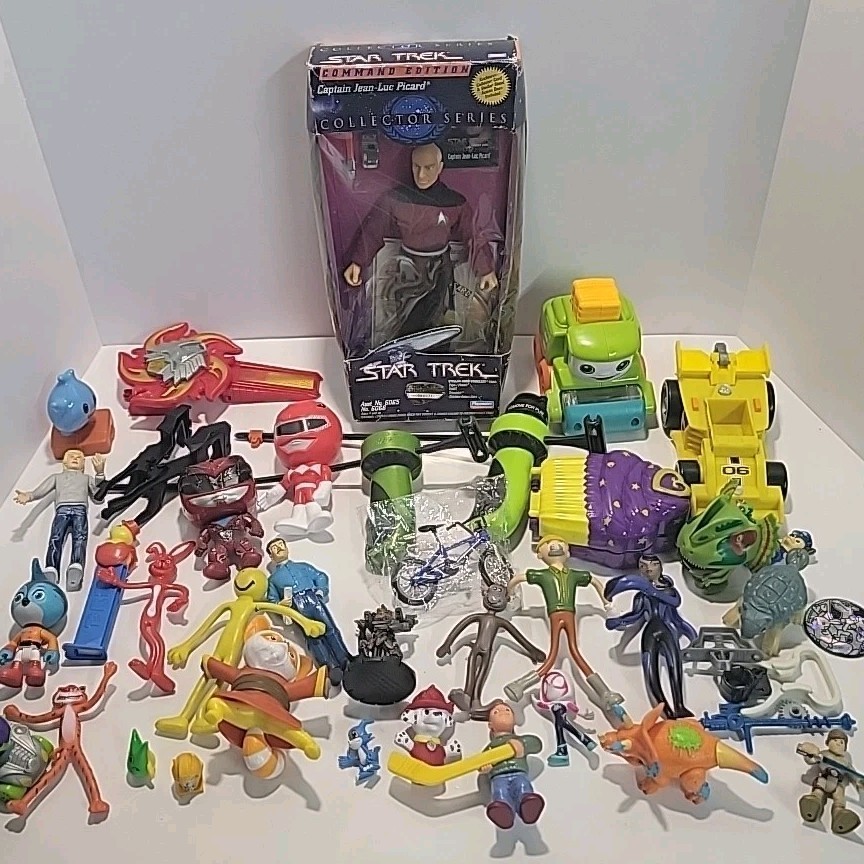


eBay links are affiliate links: JunkPal may earn a commission at no cost to you.
Resale values related to accessorized
Shop accessorized on eBay ↗![Winnie The Pooh [Flocked] #32 (Disney)](https://storage.googleapis.com/images.pricecharting.com/oq4bri67qxzaisio/240.jpg)

![Sally [GITD] #16 (Disney)](https://storage.googleapis.com/images.pricecharting.com/4y4qqh6q5vlqpcwu/240.jpg)

![Freddy Funko Stan Lee [Red] #41 (Freddy Funko)](https://storage.googleapis.com/images.pricecharting.com/h565inyasamdb4pe/240.jpg)
![Freddy Funko [Red Tie] (Freddy Funko)](https://storage.googleapis.com/images.pricecharting.com/pd35tocjlgtfk76d/240.jpg)
![Huckleberry Hound [Summer Convention Dark Blue] #1947 (Animation)](https://storage.googleapis.com/images.pricecharting.com/f4efxia7rjyzz4gl/240.jpg)
JunkPal may earn a commission when you buy through eBay links, at no extra cost to you.
What’s worth the most
Ranked on medians of real closed eBay sales, not asking prices.