What does “action figure lot” mean?
What it means
An action figure lot is a consolidated sale of two or more action figures grouped together as one transaction. This contrasts with selling figures individually (loose sales). The term encompasses everything from a curated set of related characters to a mixed "bin" assortment. The core function is bulk transfer. The value is not inherent in the "lot" designation itself, but entirely in the sum total of the individual items contained within it.
What it does to price
The lot structure introduces variance. A lot of common, mass-market figures (e.g., standard 1990s cartoon characters) will sell at a low per-unit rate, often priced for quick liquidation. Conversely, a lot containing one or two high-value, rare, or sought-after figures (e.g., a limited-run variant) will have its price dictated by the highest-value component, potentially multiplying the lot's value by 3x to 10x compared to selling the rare piece loose. Condition is a massive multiplier; a lot where all figures are Mint-in-Box (MIB) commands a premium over one where figures are heavily played with. A lot of five common figures might sell for \$30, but if one figure is a rare, sealed variant, the lot could easily fetch \$150+.
How to spot it
The primary tell is the listing description: "Lot of X figures" or "Bulk assortment." Sellers must provide clear photographic evidence of every piece. Look for inconsistencies in the description—if the seller lists 10 figures but only shows photos of 8, the lot is misrepresented. Common issues include "parts harvesting" lots, where figures are intentionally damaged or missing accessories to drive down the initial price, or "mixed media" lots, where figures are bundled with non-toy items (e.g., old packaging, unrelated memorabilia). Always request close-ups of box seams and character identification stickers.
Buying smart
Paying a premium for a lot is justified when the assortment offers high potential upside—meaning the lot contains several mid-to-high-tier figures that are individually valuable but are being sold at a discount due to the bulk nature of the sale. Buying a lot of entirely common figures is only worthwhile for project builders or those needing specific, inexpensive parts. Avoid lots where the value is entirely unknown; if the seller cannot provide a detailed inventory, the risk outweighs the potential savings. A fair deal involves a total lot price that is less than the sum of the individually appraised values of the least desirable figures.
Selling smart
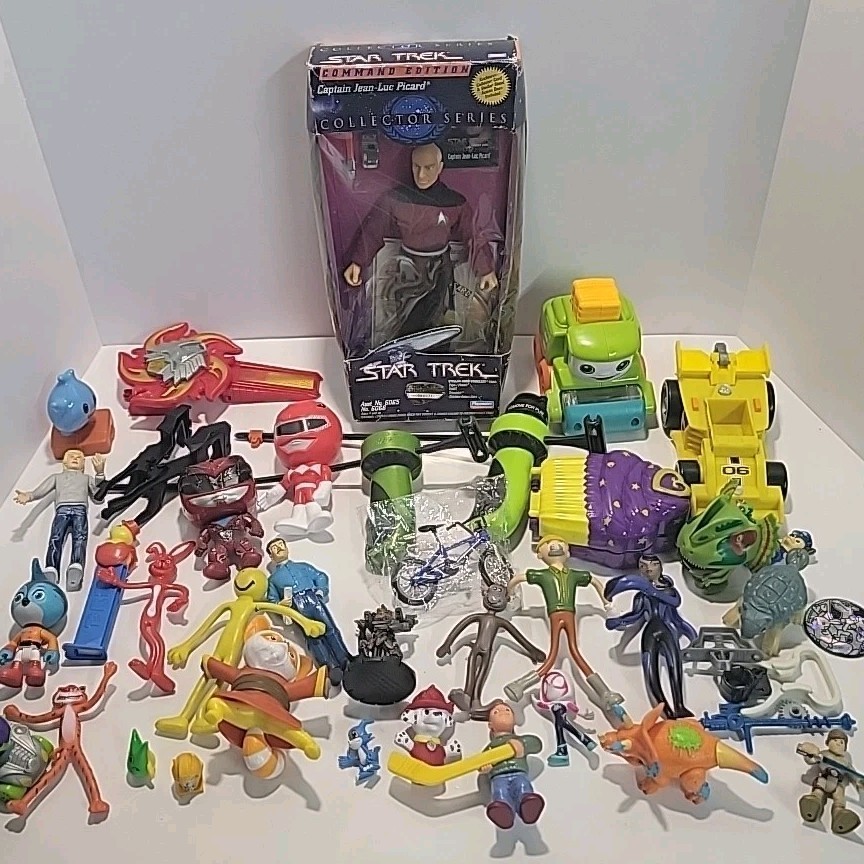
The key to maximizing lot value is transparency. A vague "mixed lot" sells for clearance prices. A detailed inventory list, itemizing every figure (e.g., "Figure A - MIB," "Figure B - Loose, minor paint rub"), immediately elevates the perceived value. The single most effective addition to a listing is a photograph showing every single figure laid out together, clearly visible, often against a neutral background. This visual proof validates the inventory list and justifies a higher price point beyond simple bulk liquidation.
On eBay right now
Current asking prices from live listings — not sold-comp medians.




eBay links are affiliate links: JunkPal may earn a commission at no cost to you.
Resale values related to action figure lot
Shop action figure lot on eBay ↗![Conehead Zombie [Metallic] #5 (Games)](https://storage.googleapis.com/images.pricecharting.com/oaiue4z5mpx3iw67/240.jpg)
![Freddy Funko Cuphead Devil [Red] #SE (Freddy Funko)](https://storage.googleapis.com/images.pricecharting.com/mw4amgqmd2az3zlh/240.jpg)
![Franken Berry [Metallic] #2 (Ad Icons)](https://storage.googleapis.com/images.pricecharting.com/qrurqqrucql2q6ks/240.jpg)


JunkPal may earn a commission when you buy through eBay links, at no extra cost to you.
What’s worth the most
Ranked on medians of real closed eBay sales, not asking prices.