What does “action figure line” mean?
What it means
An action figure line is a structured, interconnected collection of figures released by a single manufacturer under a unified theme or intellectual property (IP). This is more than just a group of figures; it implies a deliberate product strategy. The line dictates shared characteristics: a consistent scale (e.g., 6-inch, 3.75-inch), a unified aesthetic design language, and often a standardized articulation scheme. The mainstream equivalent is a "franchise merchandise collection." The value is tied to the *system*—the completeness of the run—rather than just the individual character appeal.
What it does to price
Line integrity acts as a primary value multiplier. A complete, sealed-in-box (CIB) run of a highly desirable, mid-tier line can fetch 3x to 6x the combined value of the figures sold loose. Conversely, an incomplete line or a line with significant production errors will see its value drop by 20-40% compared to a perfect set. Variations are key drivers: an early production variant (e.g., a specific paint application from Wave 1) can command a 5x premium over the standard release of the same character. For example, a loose, standard release of a popular character might sell for \$15; the same character in a rare, early-run variant might sell for \$75.
How to spot it
The tells are consistency and numbering. Look for consistent mold tooling across the characters; if the articulation points change drastically between figures, they might belong to different sub-lines or waves. Check for specific wave markers, often printed on the packaging or visible on the cardback. Common honest mistakes include mixing figures from different product lines that share an IP (e.g., mixing a cartoon line with a movie line). Fakes often fail on the fine details—paint application inconsistency, incorrect copyright dates on the packaging, or mismatched plastic texture compared to known samples. Always request clear, high-resolution photos of the packaging seams and any visible production codes.
Buying smart
Paying a premium for a complete line is justified when the IP has proven, sustained cultural relevance and the line is known to have a finite, limited production run. If the line is from a low-tier, short-lived property, the premium for completeness is often inflated speculation. A fair deal requires the asking price to be within 1.2x to 1.5x the calculated sum of the individual loose market values, factoring in the scarcity premium. If a seller is asking for 3x the sum for a line that has been widely available for five years, the premium is likely unjustified.
Selling smart
Proving the line's integrity in a listing immediately elevates perceived value. Instead of listing "Figure X," the listing should be framed as "Complete [Line Name] Collection, Waves 1-4." The single most effective element is a photograph showing the figures *in context*—ideally, all figures arranged together or displayed alongside the original packaging/wave markers. The word "Complete" or "Full Run" in the title earns the premium; it signals to the buyer that the collection is a finished, curated asset, not a random assortment.
On eBay right now
Current asking prices from live listings — not sold-comp medians.




eBay links are affiliate links: JunkPal may earn a commission at no cost to you.
Resale values related to action figure line
Shop action figure line on eBay ↗![Jason Voorhees [Summer Convention] #202 (Movies)](https://storage.googleapis.com/images.pricecharting.com/kebpbmethdc5wdfo/240.jpg)
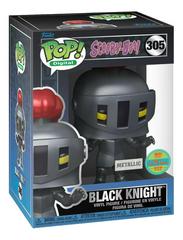
![Leonardo [Metallic] #63 (Television)](https://storage.googleapis.com/images.pricecharting.com/engq25tlanmfunih/240.jpg)
![Freddy Funko Hulk Hogan [Injured] #34 (Freddy Funko)](https://storage.googleapis.com/images.pricecharting.com/wzgbacq4cfhjjho3/240.jpg)
![Cheerleader Deadpool [Pink] #325 (Marvel)](https://storage.googleapis.com/images.pricecharting.com/l5fic7gssy3xfub6/240.jpg)
![Michael Myers [GITD] #3 (Movies)](https://storage.googleapis.com/images.pricecharting.com/jdb2vnfzgmcrii6e/240.jpg)
![Bigfoot [Snowy] #SE (Myths)](https://storage.googleapis.com/images.pricecharting.com/ay4f5seibjpvaoye/240.jpg)
![Knives Chau [NYCC] #335 (Movies)](https://storage.googleapis.com/images.pricecharting.com/55sj4ejx4jjog5zl/240.jpg)
JunkPal may earn a commission when you buy through eBay links, at no extra cost to you.
What’s worth the most
Ranked on medians of real closed eBay sales, not asking prices.