What does “action figure scale” mean?
What it means
Action figure scale defines the proportional size of a collectible figure compared to its real-world subject or other figures within the same product line. It is a standardized measurement, not a general description of size. The format is a ratio (e.g., 1:12). The first number (1) represents the figure, and the second number (12) represents the actual size. A 1:12 figure is twelve times smaller than the real person or object it represents. This measurement dictates physical compatibility—accessories, vehicles, and display environments must match the scale for cohesive presentation.
What it does to price
Scale directly influences market value, though it is not the sole determinant. Larger scales generally command higher prices due to increased material cost and detail capacity. For instance, a highly detailed 1:6 scale figure, especially in a premium line, can easily fetch 2x to 4x the price of a standard 1:12 counterpart from the same property, assuming all other factors (condition, rarity) are equal. A minor scale mismatch, such as trying to display a 1:18 vehicle with a 1:12 figure, renders the display incomplete, severely depressing the perceived value of the set.
How to spot it
Scale is almost always printed on the packaging or the figure's official documentation. Look for "Scale: 1:12" or similar markings near the product code. For older or unboxed items, measure the figure's height against a known reference point (e.g., a standard 6-inch ruler). Sellers should provide clear, unedited photos of the packaging showing the scale designation. A common mistake is confusing the *intended* scale with the *actual* scale if a figure has been heavily modified or customized.
Buying smart
Paying a premium for a specific scale is worthwhile when collection continuity is the primary goal. If the buyer is building a dedicated, cohesive display—for example, an entire scene built around 1:12 figures—the consistency of scale is non-negotiable and justifies the added cost. If the buyer is purchasing a single, standalone figure for casual display, scale is a secondary concern unless the figure is part of a known, premium-scale line. A fair deal involves the listed price aligning reasonably with comparable figures of the same scale, condition, and scarcity within the current market.
Selling smart
Proving the exact scale in a listing immediately qualifies the item for serious, scale-conscious buyers. Listing the scale clearly in the title and description acts as a filter, attracting buyers who are pre-qualified for that specific format. The single most effective element to include is a photograph of the original packaging clearly showing the scale marking. This moves the item from a general collectible to a specific, verifiable component of a collection, often justifying a 10-20% premium over listings where the scale is ambiguous.
On eBay right now
Current asking prices from live listings — not sold-comp medians.

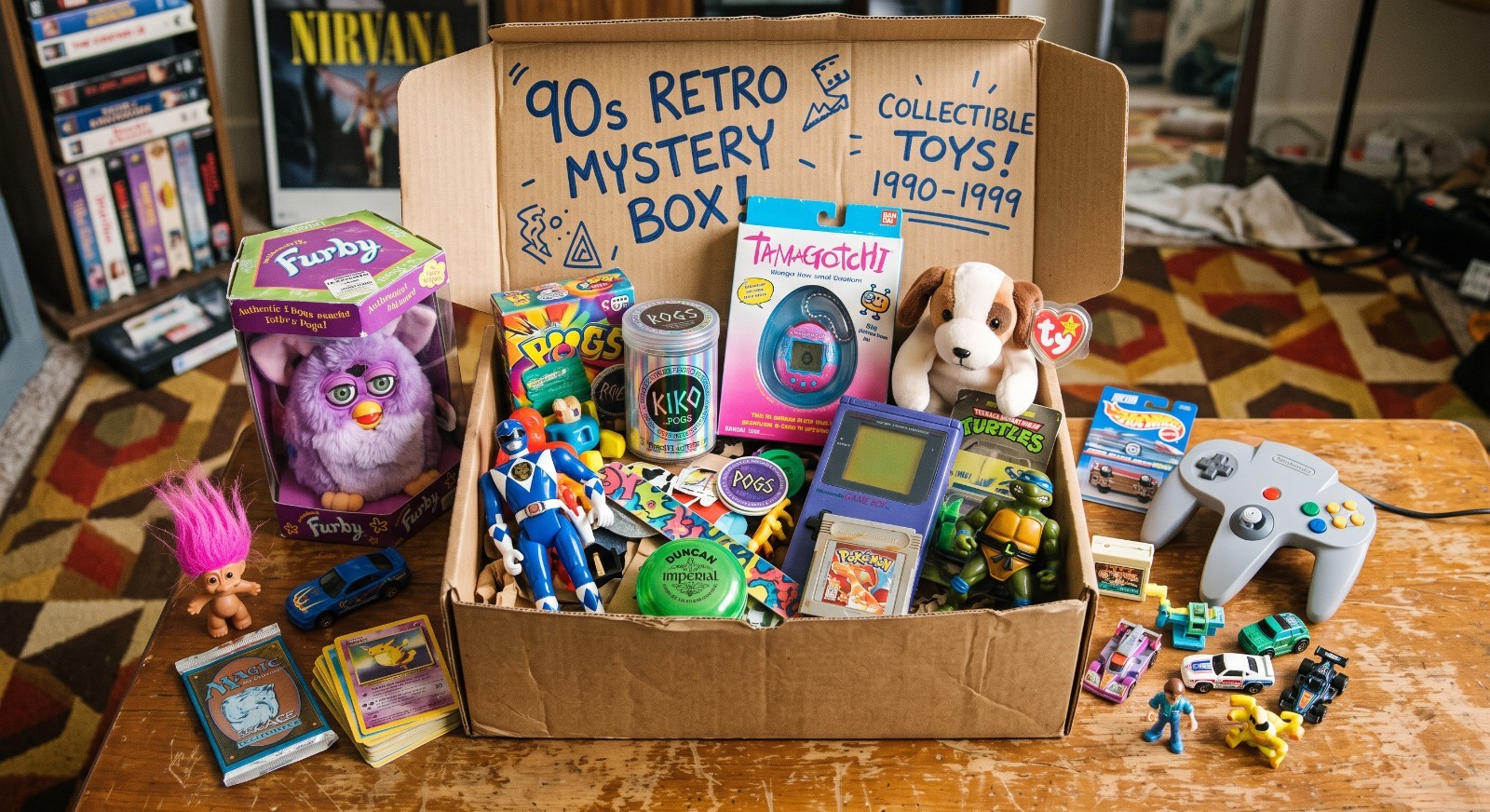

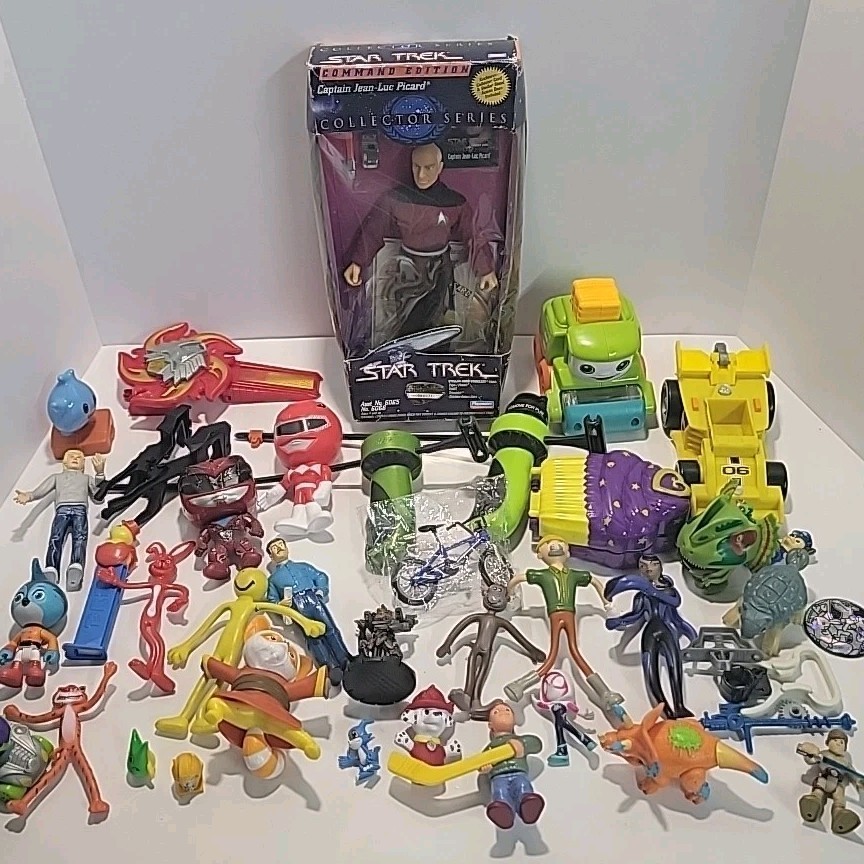


eBay links are affiliate links: JunkPal may earn a commission at no cost to you.
Resale values related to action figure scale
Shop action figure scale on eBay ↗![Freddy Funko As Leonardo [Metallic] #SE (Freddy Funko)](https://storage.googleapis.com/images.pricecharting.com/mwfaulhyvasdnbhe/240.jpg)
![Scooby-Doo [Flocked Blue] #149 (Animation)](https://storage.googleapis.com/images.pricecharting.com/fjrbxkjf37txmtkr/240.jpg)
![Animal [SDCC] #5 (Muppets)](https://storage.googleapis.com/images.pricecharting.com/lebnjgv4muvwm4dg/240.jpg)
![Freddy Flux [Fisson Winking] #SE (Freddy Funko)](https://storage.googleapis.com/images.pricecharting.com/qz6ltpvibhnsflv4/240.jpg)

![Illidan [Black] #14 (Games)](https://storage.googleapis.com/images.pricecharting.com/xzccqkkl2gynrpxx/240.jpg)
![Freddy Funko As Two-Face [Blacklight] #SE (Freddy Funko)](https://storage.googleapis.com/images.pricecharting.com/rc3ezv5clcz4rnhl/240.jpg)

JunkPal may earn a commission when you buy through eBay links, at no extra cost to you.
What’s worth the most
Ranked on medians of real closed eBay sales, not asking prices.