What does “accessory set” mean?
What it means
An accessory set, in the toy collecting niche, is a defined grouping of supplementary components intended to function with a primary collectible item. This goes beyond loose, random extras. It refers to the manufacturer-intended complement—miniature weaponry, alternate hands, specialized vehicle pieces, or display bases designed specifically for the main figure or model. The mainstream equivalent is "complete set," but "accessory set" specifically denotes the *supporting* parts, not the main unit itself. A truly valuable accessory set is one that matches the original packaging or release specifications for that specific toy iteration.
What it does to price
Completeness is a direct multiplier on value. A figure sold with its full, verifiable accessory set typically commands a 1.5x to 3x premium over the same figure sold loose or missing key components. The inclusion of rare or complex accessories (e.g., a specific, unreleased weapon mold) can push this multiplier higher. Conversely, if the set is incomplete, the value drops sharply; missing a primary accessory can result in a 30-50% devaluation compared to a complete listing. For example, a standard action figure missing its signature blaster might sell for $40, while the same figure with the blaster and all other pieces sells for $65-$70.
How to spot it
Identification requires cross-referencing the specific toy line and release year. Check the official product listings or collector databases for the intended contents of the "complete" version. Look for specific part numbers or mold identifiers on the accessories themselves. Sellers must provide high-resolution photos of the accessories *in context* with the main figure, not just piled on a table. Common issues include "kit-bashing"—where parts from different toy lines are incorrectly presented as belonging to the main figure—or simple seller error where a minor piece is overlooked. Always request close-ups of the accessory packaging, if applicable.
Buying smart
Paying a premium for a complete accessory set is justified when the item is rare, highly sought after, or when the accessory itself is a desirable piece of its own right. If the main toy is common and the accessories are generic, the premium may not be worth the cost. A fair deal requires the price premium to be proportional to the scarcity and condition of the accessories. If the seller claims "complete" but the accessories look heavily played with or are visibly damaged, the premium is unjustified.
Selling smart
To maximize sale price, the listing must prove the set is complete and original. Do not simply state "with accessories." Create a visual inventory. The single most effective element is a high-quality, organized photo spread—a "parts inventory shot"—where every single accessory is laid out neatly next to the main figure, ideally with a brief, itemized list in the description. This visual proof eliminates buyer doubt, allowing the seller to confidently command the top-tier pricing bracket.
On eBay right now
Current asking prices from live listings — not sold-comp medians.

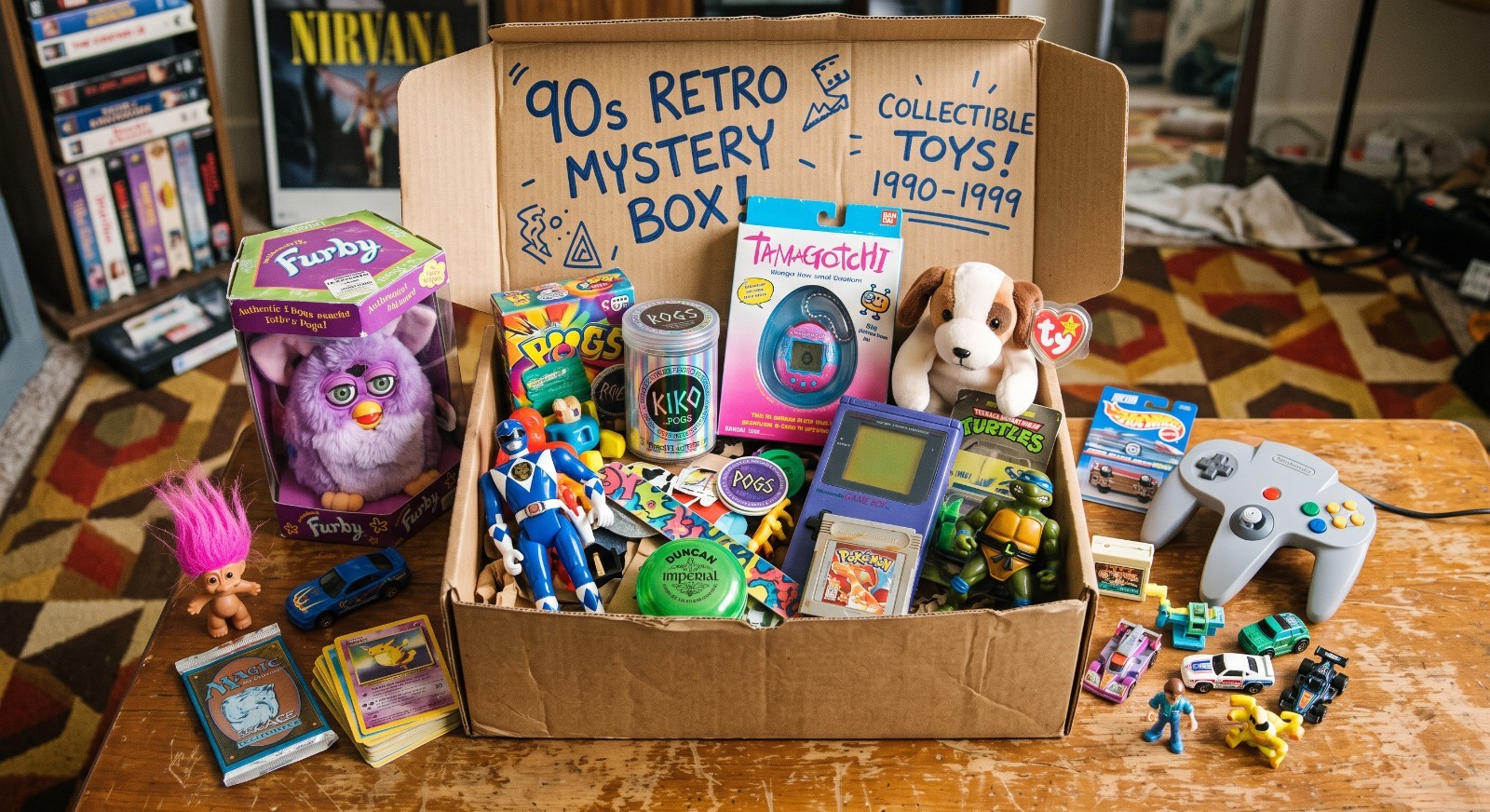

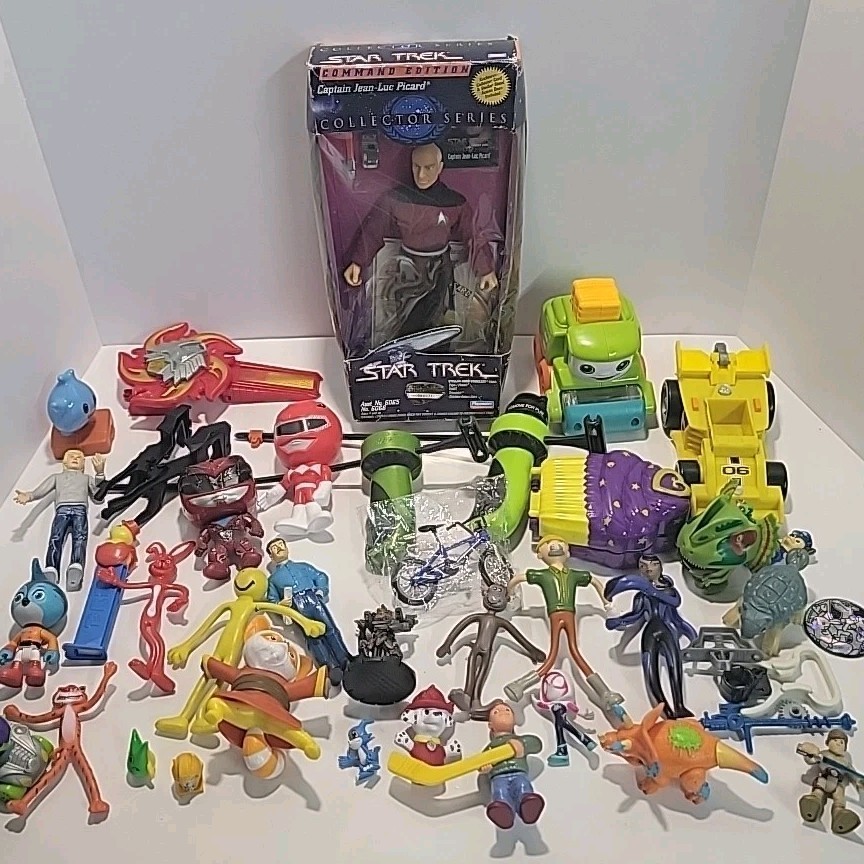
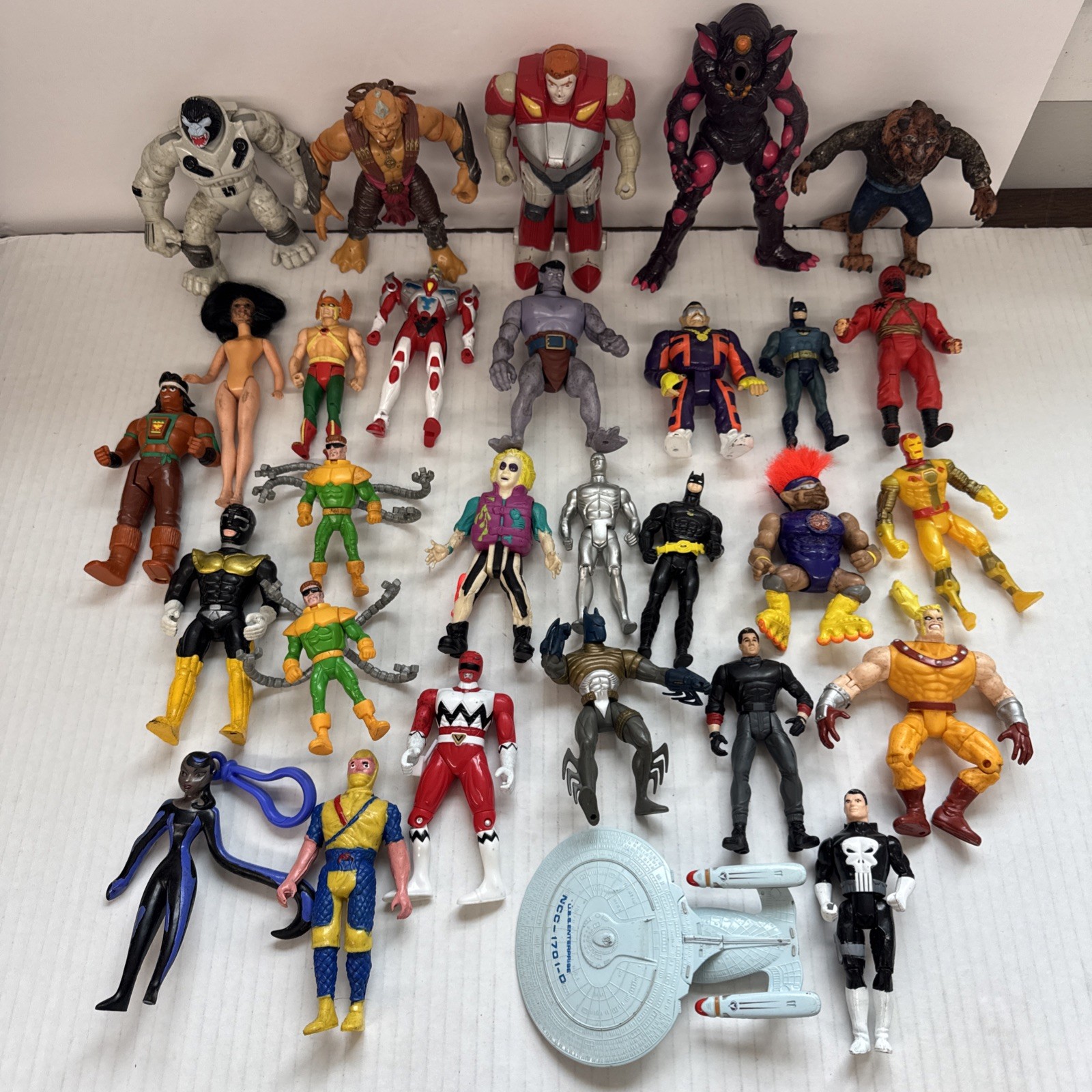
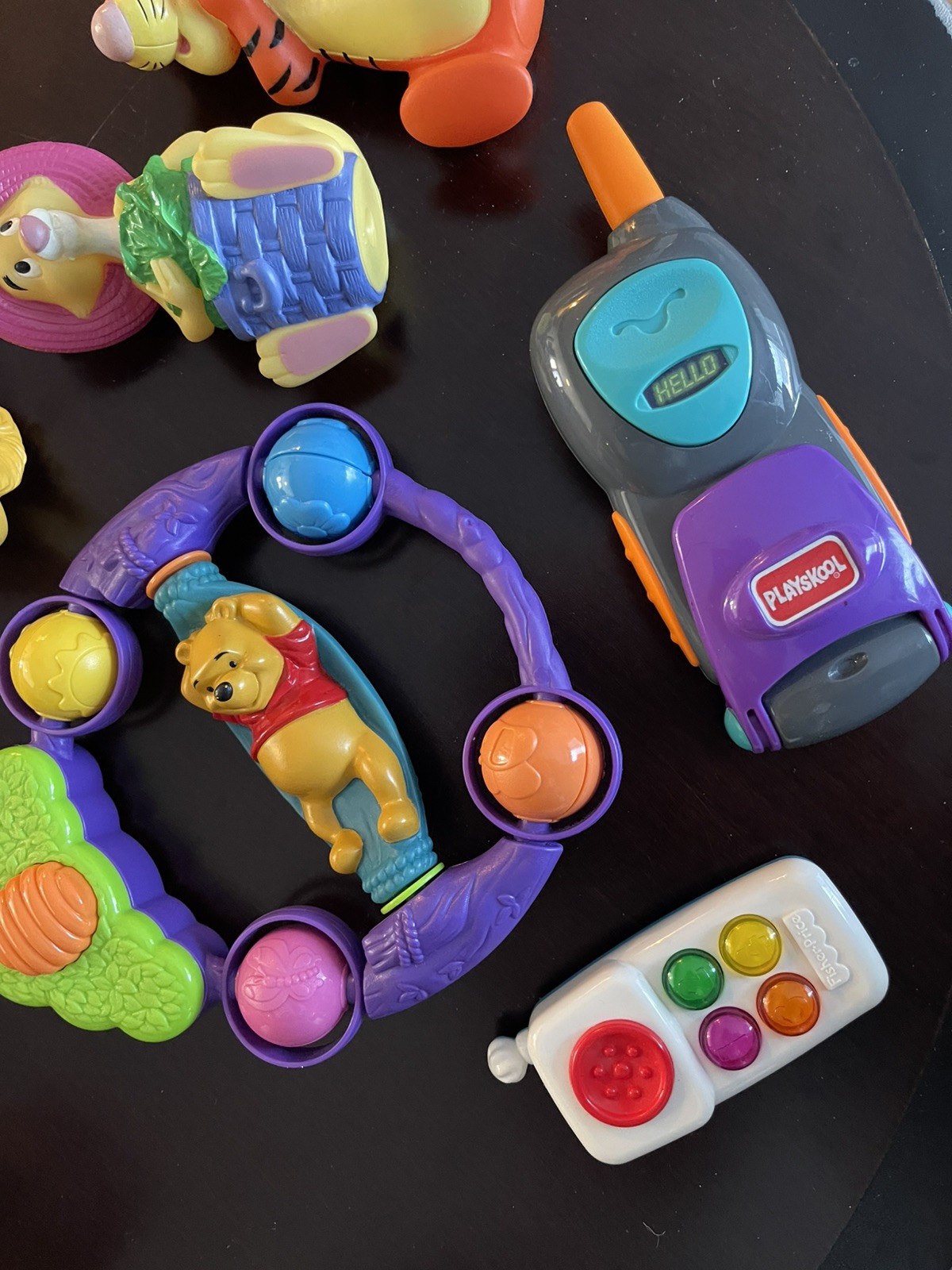
eBay links are affiliate links: JunkPal may earn a commission at no cost to you.
Resale values related to accessory set
Shop accessory set on eBay ↗


![Sung Jinwoo E-Rank [CCXP] #1941 (Animation)](https://storage.googleapis.com/images.pricecharting.com/42ecy45hl6gy6uef/240.jpg)
![Conehead Zombie [Metallic] #5 (Games)](https://storage.googleapis.com/images.pricecharting.com/oaiue4z5mpx3iw67/240.jpg)
![Freddy Funko Cuphead Devil [Red] #SE (Freddy Funko)](https://storage.googleapis.com/images.pricecharting.com/mw4amgqmd2az3zlh/240.jpg)
![Franken Berry [Metallic] #2 (Ad Icons)](https://storage.googleapis.com/images.pricecharting.com/qrurqqrucql2q6ks/240.jpg)

JunkPal may earn a commission when you buy through eBay links, at no extra cost to you.
What’s worth the most
Ranked on medians of real closed eBay sales, not asking prices.