What does “action figure variant” mean?
What it means
An action figure variant is a distinct, non-standard iteration of a mass-produced toy model. This goes beyond simple regional variations. Variants involve tangible differences: altered paint applications (e.g., a specific shade of blue instead of standard blue), unique accessory configurations, minor tooling changes in the plastic mold, or limited-run colorways. The mainstream equivalent is a "limited edition" or "special release," but in collecting, the focus is on the *specific* deviation from the baseline production run. These differences are what define its collectible status and scarcity.
What it does to price
Variants introduce non-linear value increases. A standard figure might sell for \$20; a known, scarce variant of that figure can easily command 2x to 5x that price, depending on rarity. Minor paint shifts might add 10-25% to the value. A true, short-run variant tied to a specific event or error can multiply value by 5x or more. Conversely, an "honest mistake" variant (a factory error) might be valued lower than a deliberate, marketed variant unless the error is extremely unique. For example, a standard figure sells for \$20; a confirmed, short-run "Crimson Red" variant might fetch \$60.
How to spot it
Inspection requires close-up photography. Look for subtle differences in paint application—is the weathering thicker? Is the logo decal slightly misaligned? Check packaging for edition codes, UPC variations, or specific production stickers that denote a limited run. For mold changes, compare the figure against known, high-grade examples of the standard release. Sellers must provide high-resolution photos of the specific area in question (e.g., the chest plate, the hand sculpt). Common pitfalls include mistaking packaging wear for a variant, or confusing a regional distribution error for a deliberate variant.
Buying smart
Paying a premium for a variant is justified when the scarcity is verifiable and the variant is documented as a genuine, intentional release (e.g., a convention exclusive or a specific retailer promotion). If the claimed variant is based on a minor, easily reproducible paint variation, the premium is likely inflated. A fair deal involves a price that reflects the documented scarcity level—a low-run variant demands a high premium; a slightly different color from a large production run does not. If the seller cannot provide documentation supporting the variant status, the premium should be heavily discounted.
Selling smart
Listing a variant requires absolute clarity. Do not simply state "Variant." Specify *what* the variant is: "Action Figure X - Midnight Blue Paint Application Variant." The premium is earned by providing irrefutable proof. The single most valuable asset in a listing is a macro photograph clearly isolating the distinguishing feature—a close-up of the unique paint job or the specific accessory tag. Use precise, jargon-appropriate language in the description to filter out casual buyers and attract serious collectors willing to pay the necessary premium.
On eBay right now
Current asking prices from live listings — not sold-comp medians.

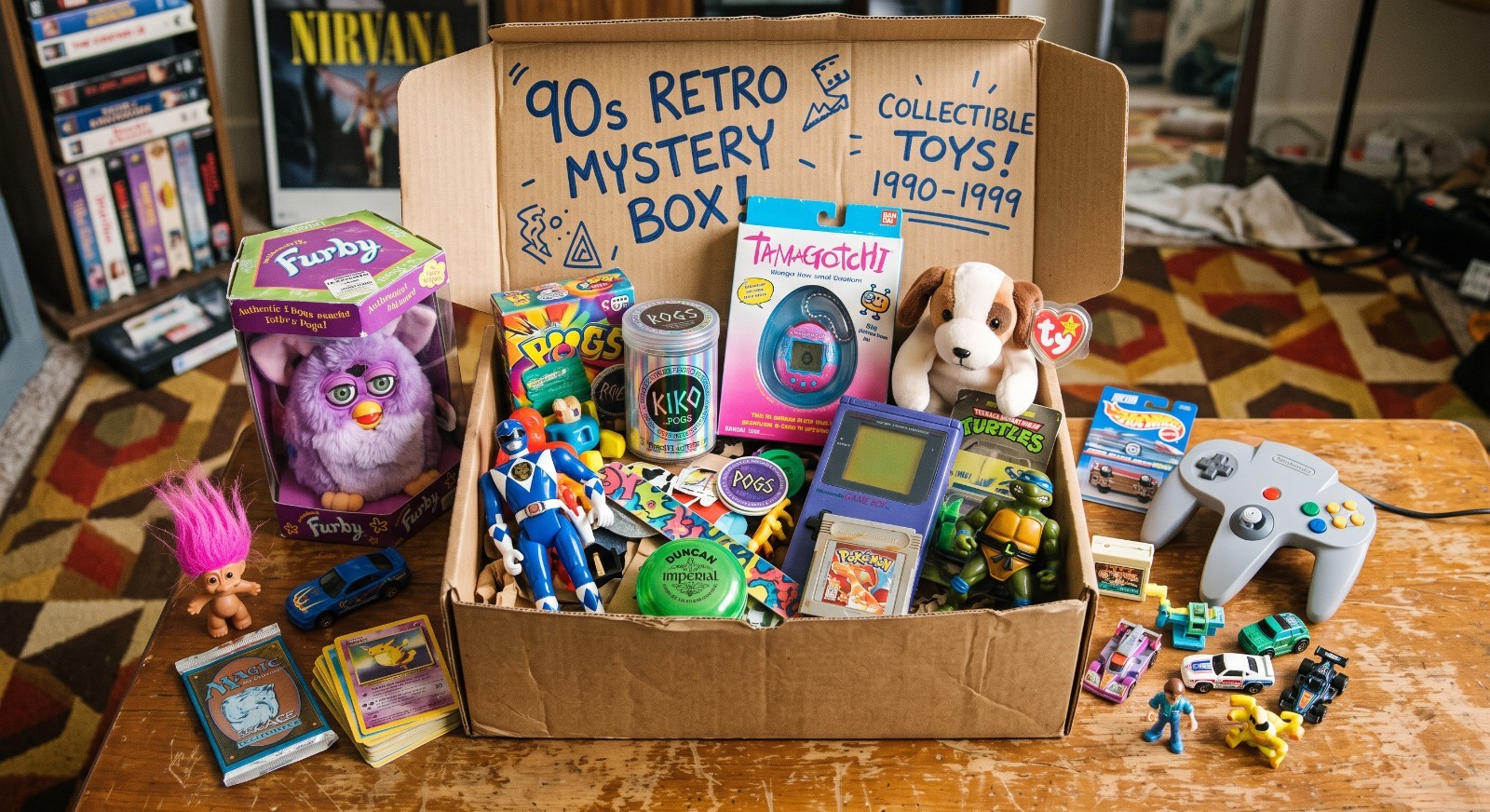

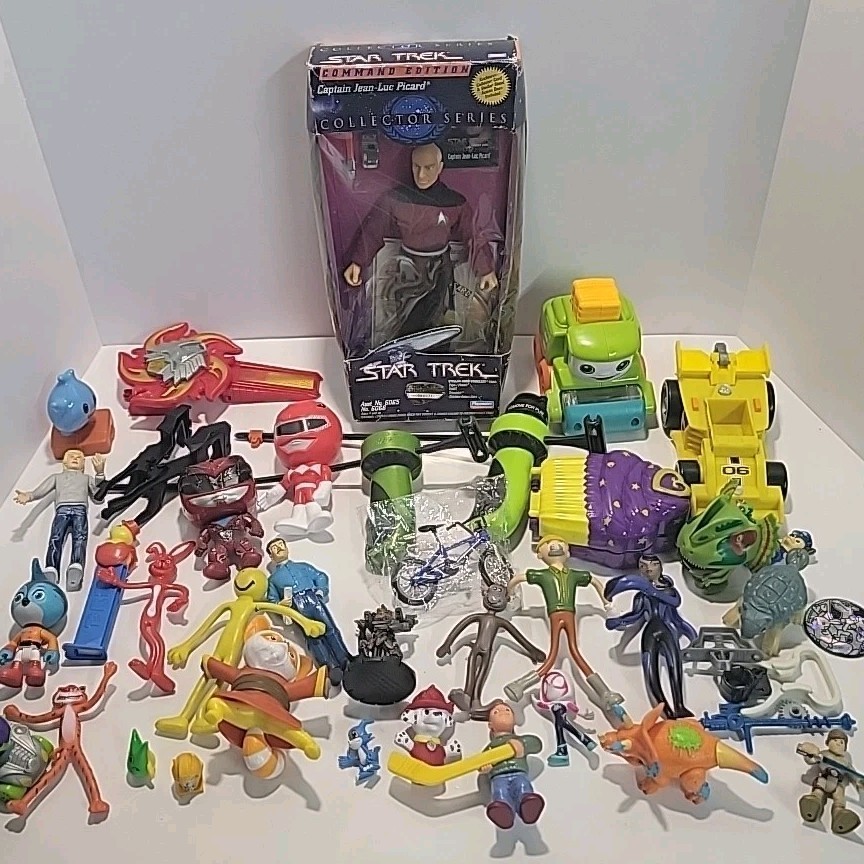


eBay links are affiliate links: JunkPal may earn a commission at no cost to you.
Resale values related to action figure variant
Shop action figure variant on eBay ↗


![Freddy Funko [Yoda] #SE (Freddy Funko)](https://storage.googleapis.com/images.pricecharting.com/n6mh2ox3t6yqc5wh/240.jpg)

![Boba Fett Droids [SDCC] #32 (Star Wars)](https://storage.googleapis.com/images.pricecharting.com/uezfpjpfhprk4g54/240.jpg)
JunkPal may earn a commission when you buy through eBay links, at no extra cost to you.
What’s worth the most
Ranked on medians of real closed eBay sales, not asking prices.