Loose là gì?
Ý nghĩa
"Loose" (không bao bì) dùng để chỉ một món đồ chơi hoặc vật phẩm sưu tầm không còn trong bao bì gốc của nhà sản xuất. Đây là thuật ngữ tiêu chuẩn được sử dụng trong giới sưu tầm. Thuật ngữ tương đương phổ thông là "out of box" (ngoài hộp) hoặc "loose item". Trạng thái loose không tự động xác định giá trị; nó chỉ xác định sự vắng mặt của bao bì. Một món đồ loose phải được đánh giá dựa trên giá trị nội tại của nó—tính đầy đủ, tình trạng và độ hiếm—riêng biệt với bao bì mà nó thiếu.
Ảnh hưởng đến giá cả
Nhìn chung, một món đồ loose sẽ có giá thấp hơn so với phiên bản còn niêm phong. Một bản sao tương đương, đã được graded (đánh giá) hoặc Mint-in-Box (MIB) thường có giá gấp 1.5 đến 3 lần so với món đồ loose tương đương, tùy thuộc vào mức độ bão hòa thị trường của dòng đồ chơi đó. Các yếu tố làm tăng giá bao gồm bộ phụ kiện đầy đủ, thẻ gốc (nếu có), và tình trạng sơn/nhựa nguyên vẹn. Các yếu tố làm giảm giá bao gồm các bộ phận bị thiếu, vết xước bề mặt nặng, hoặc dấu hiệu bị chơi nhiều. Ví dụ, một mô hình hành động loose bị thiếu tay gốc có thể bán với giá thấp hơn $15 so với phiên bản loose đầy đủ.
Cách nhận biết
Dấu hiệu nhận biết chính là sự vắng mặt của hộp gốc, thẻ blister, hoặc vỏ nhựa bảo vệ. Khi đánh giá tình trạng, hãy tìm các vết nứt trên các khớp nhựa, vết bong tróc sơn (đặc biệt ở các khu vực dễ bị mài mòn như đầu gối hoặc khuỷu tay), và hiện tượng phai màu. Người bán nên cung cấp ảnh độ phân giải cao cho thấy món đồ từ mọi góc độ. Các vấn đề thường gặp bao gồm "parts creep" (các phụ kiện nhỏ bị rơi ra và thất lạc) và "shelf wear" (vết trầy xước nhỏ do trưng bày). Người mua phải xác nhận xem món đồ là hàng nguyên bản từ nhà máy hay là hàng tái sản xuất.
Mua sắm thông minh
Việc trả giá cao cho một món đồ loose là hợp lý khi món đồ đó cực kỳ hiếm, được săn đón nhiều, hoặc khi bao bì bị hư hỏng nặng hoặc hoàn toàn bị mất. Nếu bản thân món đồ chơi là một sản phẩm phổ thông, hiện đại, sự chênh lệch giá giữa loose và boxed thường không đáng để mạo hiểm trừ khi tình trạng gần như hoàn hảo. Một giao dịch công bằng cho món đồ loose là khi giá chào bán phản ánh mức độ tình trạng (ví dụ: "Excellent Play Condition" - Tình trạng chơi tuyệt vời) và tính đến việc thiếu bao bì, thường nằm trong khoảng 60-80% giá trị tương đương MIB.
Bán hàng thông minh
Đăng bán một món đồ loose đòi hỏi sự minh bạch tuyệt đối về tình trạng của nó. Người mua sẵn sàng trả nhiều tiền hơn cho tình trạng được ghi nhận rõ ràng. Bằng chứng giá trị nhất là một bức ảnh chụp cận cảnh cho thấy rõ bất kỳ khiếm khuyết nào hiện có—vết xước, vết trầy sơn, hoặc các bộ phận bị thiếu. Sử dụng ngôn ngữ mô tả chính xác, chẳng hạn như "Near Mint, minor scuffing on left boot" (Gần như mới, có vết trầy nhỏ ở ủng trái), thay vì các thuật ngữ mơ hồ như "Good" (Tốt), sẽ giúp người bán định giá chính xác. Ảnh chi tiết giúp ngăn ngừa tranh chấp về tình trạng khi hàng đến tay người mua.
On eBay right now
Current asking prices from live listings — not sold-comp medians.

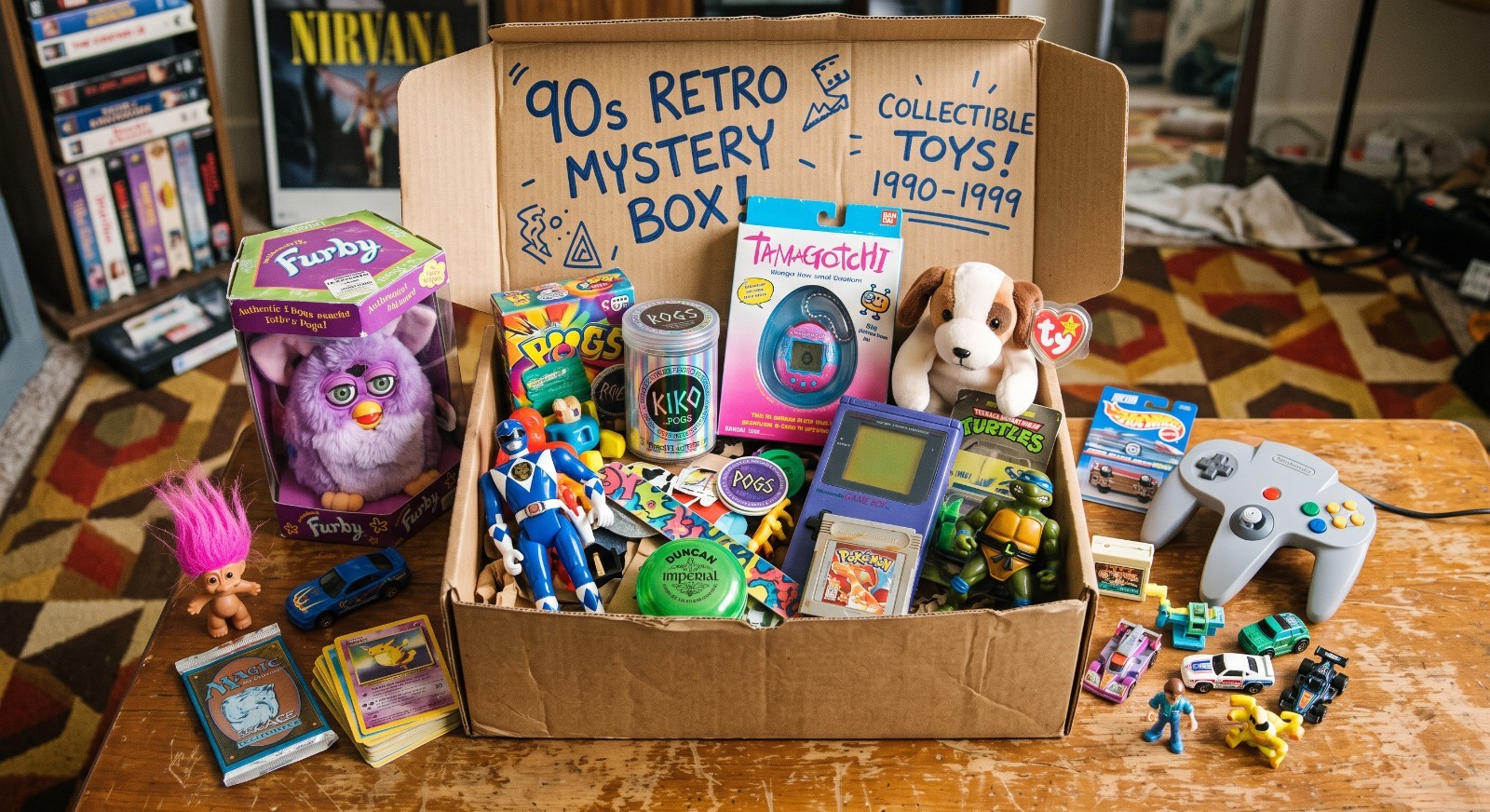

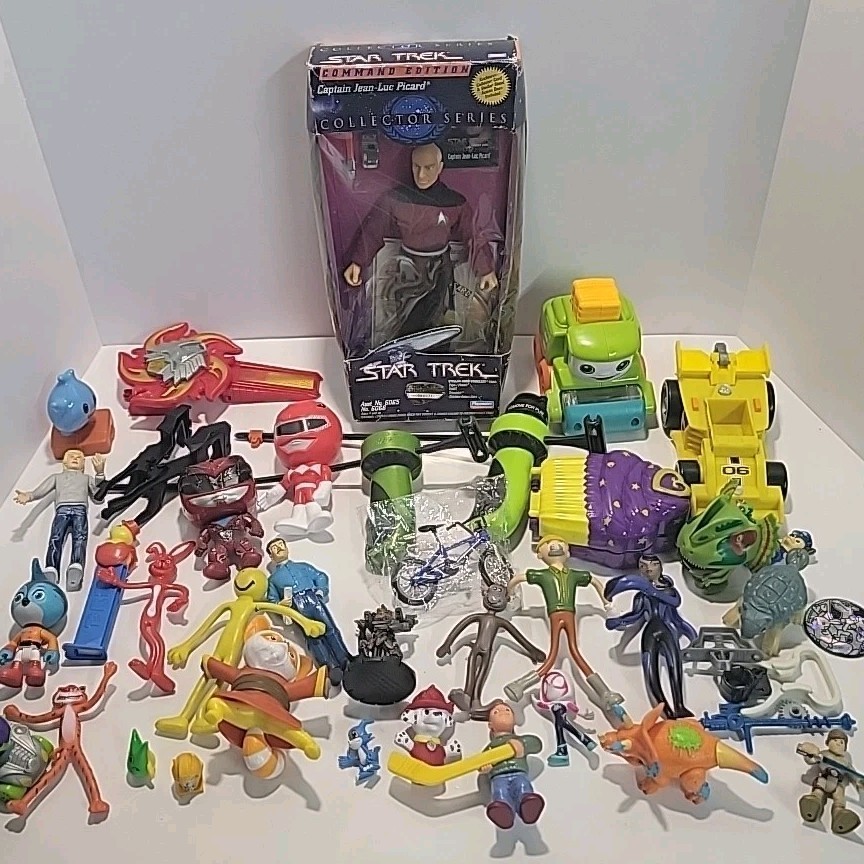


eBay links are affiliate links: JunkPal may earn a commission at no cost to you.
Resale values related to loose
Shop loose on eBay ↗

![Beast [Flocked] #21 (Marvel)](https://storage.googleapis.com/images.pricecharting.com/yvoycgcknzf2xrfu/240.jpg)
![Martian Manhunter [Metallic] #18 (Heroes)](https://storage.googleapis.com/images.pricecharting.com/obmgxln52wkhzrkb/240.jpg)
![Winged Monkey [Metallic] #9 (Movies)](https://storage.googleapis.com/images.pricecharting.com/k2nhg6kqbxpf5c2f/240.jpg)
![Andy Dwyer [Fugitive Toys 500] #533 (Television)](https://storage.googleapis.com/images.pricecharting.com/7kkbiohjl6bacja3/240.jpg)

JunkPal may earn a commission when you buy through eBay links, at no extra cost to you.
What’s worth the most
Ranked on medians of real closed eBay sales, not asking prices.