What does “window dent” mean?
What it means
A window dent is a localized, inward deformation of the plastic blister or acrylic window covering a collectible item, typically an action figure or toy. This is not a defect of the toy itself, but of the original packaging (the blister card or box window). The mainstream equivalent is minor packaging damage. This damage is cosmetic but critical in the grading of "Mint in Box" (MIB) or "Complete in Box" (CIB) items. Even a slight crease or push-in compromises the packaging's structural integrity, which is a primary factor in determining the item's condition grade.
What it does to price
A window dent immediately drops the item out of the top-tier grading bracket. For a high-demand, sealed item, the difference between a perfect window and one with a minor dent can result in a 15% to 35% reduction in market value. If the dent is severe enough to crack the plastic or significantly obscure the product, the value can drop by over 50%, pushing it toward "Played With" or "Damaged" pricing tiers, even if the toy inside is pristine. For example, a sealed Star Wars figure graded 9.5 might drop to a 7.5 equivalent, equating to a $20–$40 reduction depending on the item's base value.
How to spot it
Dents are most common on blister packs where the plastic is heat-formed over a cardback. Look for subtle ripples or sharp creases along the edges of the window, particularly near corners or where the plastic meets the card. Sellers should provide high-resolution, well-lit photos focused specifically on the window surface. Common mistakes include packaging being dropped onto a hard surface or being stored in a tight space with other heavy items. Unlike paint chips on the toy, window dents are structural packaging flaws and are not typically associated with counterfeits unless the entire packaging is poorly manufactured.
Buying smart
Paying a premium for an item with a window dent is only justifiable if the toy inside is exceptionally rare, highly sought after, or if the dent is extremely minor and barely visible under normal viewing conditions. If the item is common or the dent is obvious and large, the discount is mandatory. A fair deal involves negotiating the price down to reflect the cosmetic flaw, typically aiming for a 20% reduction from the "Perfect" listing price. If the dent is significant, the item should be purchased only if the toy itself is worth the purchase price regardless of the packaging.
Selling smart
Disclosure is non-negotiable. Listing the item as "Mint" when a window dent exists invites immediate returns and negative feedback. The correct approach is to list it as "Near Mint" or "Excellent Condition" and explicitly state, "Minor window dent present on blister packaging; see photo X." Providing a close-up photograph of the dent, clearly marked, manages buyer expectations and allows the buyer to self-assess the severity. Honesty allows the seller to capture the premium buyers are willing to pay for the toy itself, while still justifying a slight discount for the packaging imperfection.
On eBay right now
Current asking prices from live listings — not sold-comp medians.



eBay links are affiliate links: JunkPal may earn a commission at no cost to you.
Resale values related to window dent
Shop window dent on eBay ↗

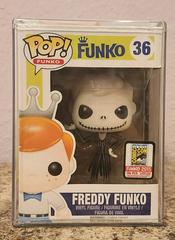
![Franny Funko As Azula [GITD] #SE (Freddy Funko)](https://storage.googleapis.com/images.pricecharting.com/sbtbm36tc3awdk6b/240.jpg)
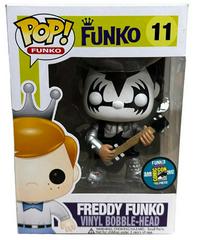
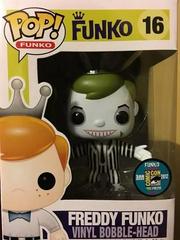

![Freddy Funko As Michael Myers [Blacklight] #SE (Freddy Funko)](https://storage.googleapis.com/images.pricecharting.com/bxsn4yq4ujnkegsp/240.jpg)
JunkPal may earn a commission when you buy through eBay links, at no extra cost to you.
What’s worth the most
Ranked on medians of real closed eBay sales, not asking prices.