What does “window damage” mean?
What it means
Window damage is any physical compromise to transparent plastic or acrylic components of a toy. This includes the outer packaging blister, the display case, or any molded clear sections integral to the toy's design (e.g., a character's transparent armor or bubble). This is not cosmetic dirt or dust; it refers to structural flaws: scratches, deep gouges, cracks, hazing (clouding), or chips. For high-grade collecting, this is a critical defect. The mainstream equivalent is "clear plastic integrity."
What it does to price
Damage directly correlates to a reduction in market value. Minor surface scratching (light swirl marks) typically results in a 10-20% reduction from a Near Mint price. Moderate damage, such as a noticeable hairline crack on a blister card or a significant clouding on a character window, can drop the item 30-50%. Severe damage—a large crack or shattered section—can reduce value by 70% or more, often pushing the item into a "damaged/parts" category. For example, a factory-sealed action figure with a minor crease on the window backing might sell for $45 instead of the standard $60.
How to spot it
Inspection requires close-up, angled lighting. Look for stress fractures emanating from corners or points of impact. Examine the edges of any clear plastic sections under magnification; deep scratches often catch the light differently than surface dust. Sellers should provide high-resolution photos of the entire window surface, not just the front. A common mistake is confusing light hazing from age/UV exposure with impact damage; impact damage usually shows defined lines or chips. Fakes sometimes use lower-grade, easily scratched plastic, which is a telltale sign when compared to known authentic examples.
Buying smart
Paying a premium for an item with known window damage is only justifiable if the damage is extremely minor (light surface scuffs) and the toy itself is otherwise flawless, or if the toy is rare and the damage is negligible to the display. Avoid purchasing items where the damage compromises the structural integrity or obscures key features. A fair deal for a piece with visible, moderate damage is typically 50-60% of the price of an identical, flawless example. If the damage is severe, the item should be priced as a repair/parts unit.
Selling smart
Transparency regarding window damage is mandatory for achieving optimal sale price. Hiding damage leads to returns and negative feedback. When listing, categorize the damage clearly (e.g., "Light Surface Scratches," "Minor Corner Chip"). The single most effective tool is a macro photograph focusing exclusively on the damaged area, clearly showing the defect. Stating the damage upfront allows buyers to self-select, ensuring the price reflects the actual condition, thereby preventing disputes and maintaining seller credibility.
On eBay right now
Current asking prices from live listings — not sold-comp medians.

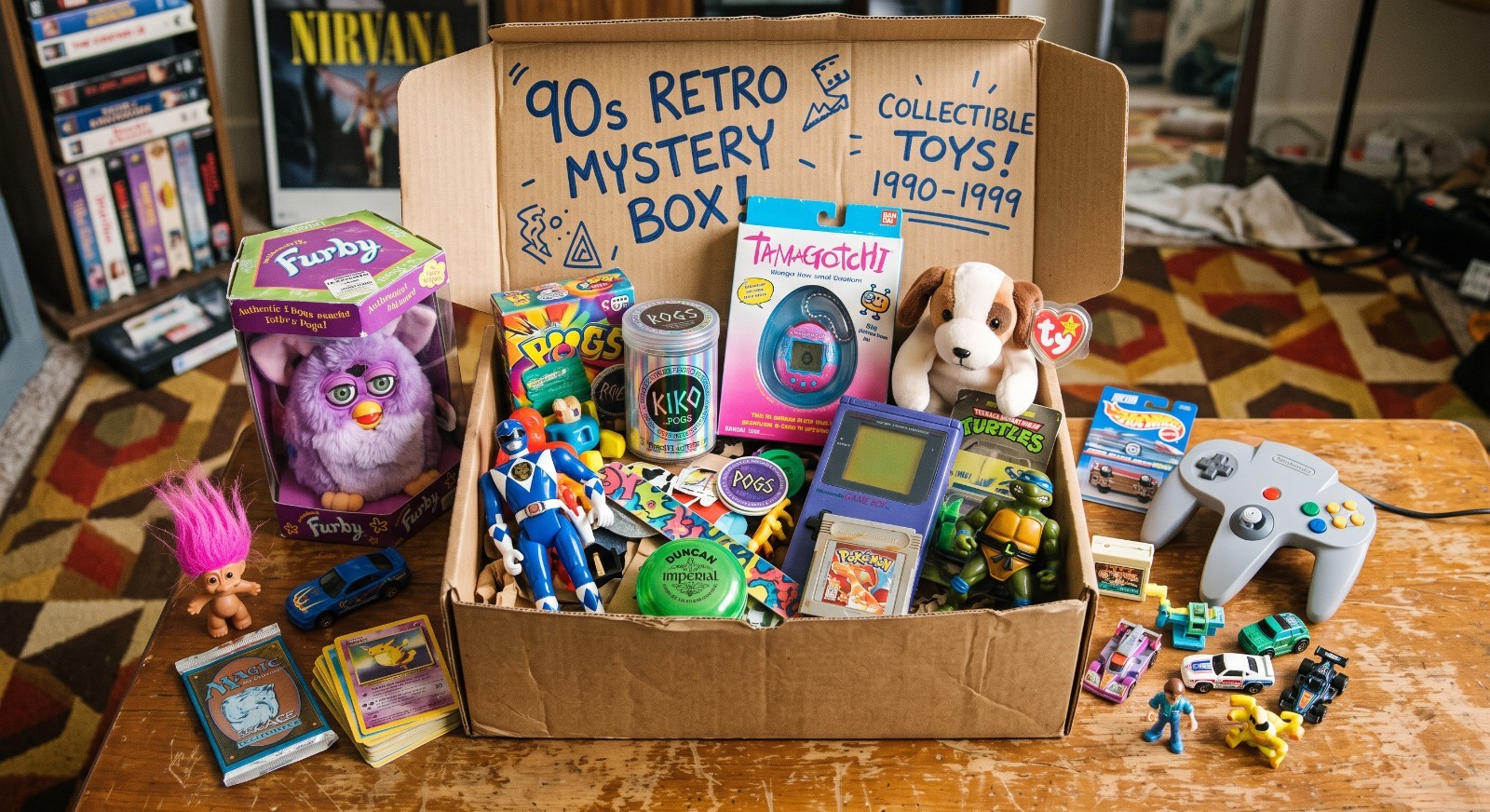

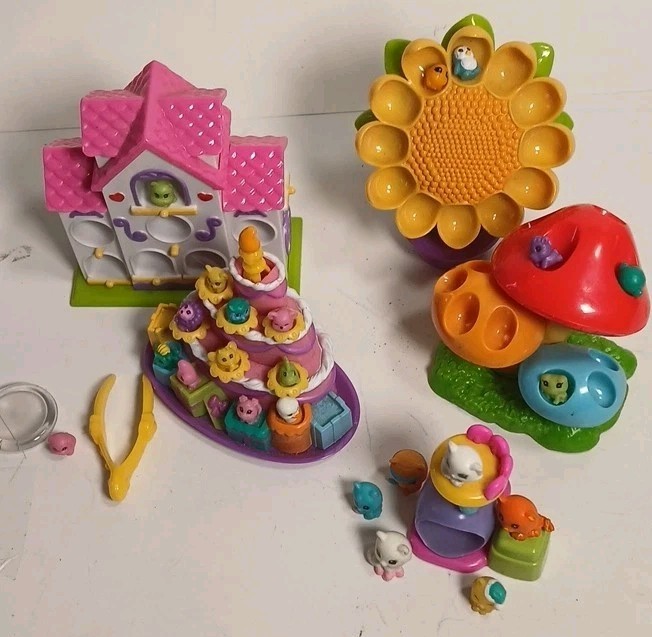

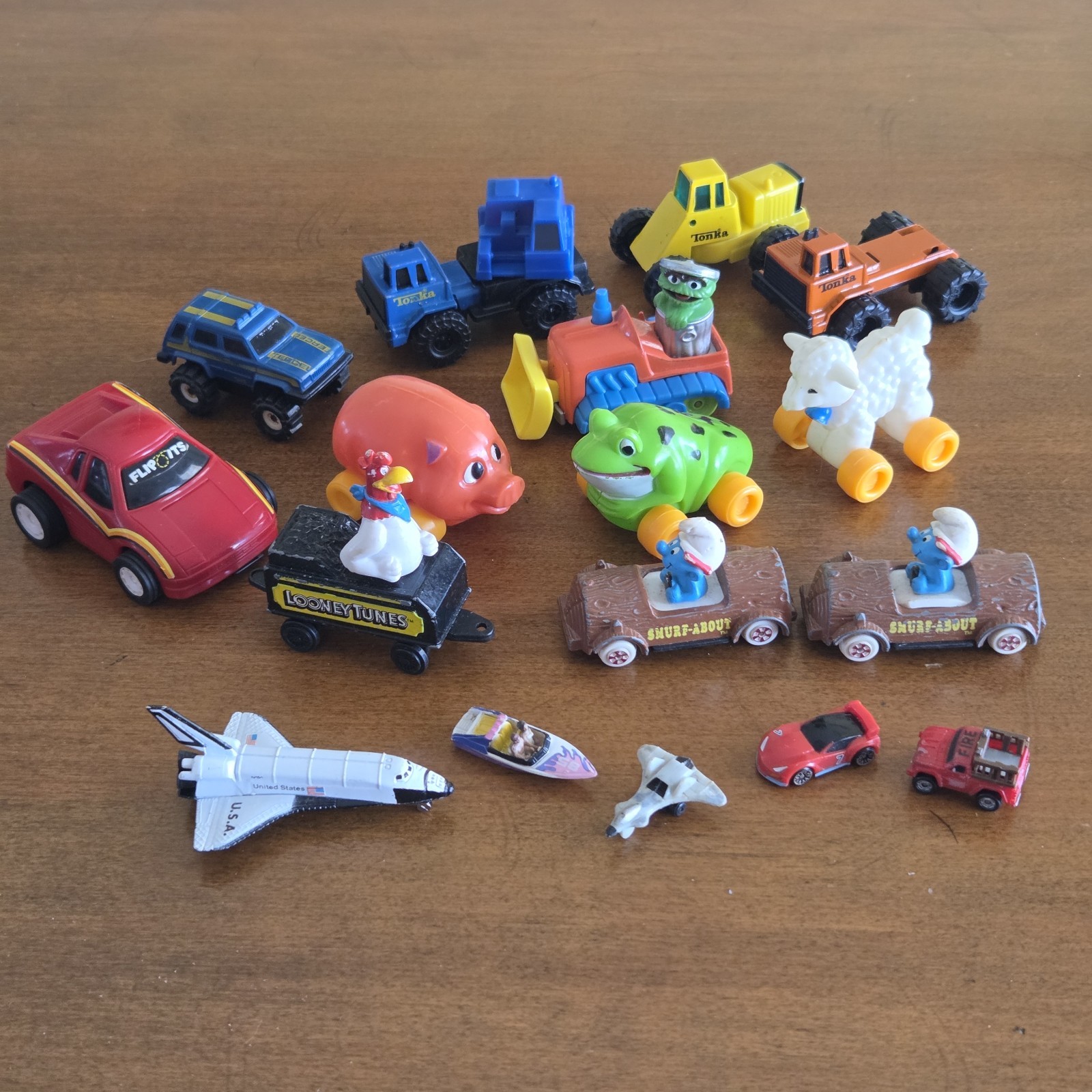
eBay links are affiliate links: JunkPal may earn a commission at no cost to you.
Resale values related to window damage
Shop window damage on eBay ↗![Freddy Funko [Yoda] #SE (Freddy Funko)](https://storage.googleapis.com/images.pricecharting.com/n6mh2ox3t6yqc5wh/240.jpg)

![Boba Fett Droids [SDCC] #32 (Star Wars)](https://storage.googleapis.com/images.pricecharting.com/uezfpjpfhprk4g54/240.jpg)
![Freddy Funko Twisty [Bloody] #42 (Freddy Funko)](https://storage.googleapis.com/images.pricecharting.com/hyv7d5wuwybj77a3/240.jpg)
![Winnie The Pooh [Flocked] #32 (Disney)](https://storage.googleapis.com/images.pricecharting.com/oq4bri67qxzaisio/240.jpg)

![Sally [GITD] #16 (Disney)](https://storage.googleapis.com/images.pricecharting.com/4y4qqh6q5vlqpcwu/240.jpg)

JunkPal may earn a commission when you buy through eBay links, at no extra cost to you.
What’s worth the most
Ranked on medians of real closed eBay sales, not asking prices.