What does “window clarity” mean?
What it means
Window clarity describes the optical quality of the transparent plastic or acrylic housing used for display on packaged toys, figures, and models. This refers to the absence of visual defects such as hazing, cloudiness, yellowing (oxidation), or deep surface scratching. Mainstream equivalent: Optical integrity of the blister/window. For collectors, the window is integral to the item's presentation grade (e.g., MOC, Mint on Card). Poor clarity is a direct indicator of environmental damage or handling wear, affecting the perceived completeness and preservation state of the collectible.
What it does to price
Clarity directly impacts the grade assigned to the item, which dictates value. A window exhibiting minor surface scratching or slight clouding (a "light ding") can reduce value by 10-25% compared to factory-perfect clarity. Significant yellowing or heavy hazing can drop value by 40% or more, often relegating the item to "Played With" or "Damaged" tiers, regardless of the toy's internal condition. Conversely, a window that is perfectly clear, bright, and free of stress marks commands a premium. For a comparable figure, a pristine window can fetch 1.5x to 2.5x the price of a comparable item with moderate clarity issues.
How to spot it
Inspection requires close-up photography and angled light. Look for micro-scratches—fine lines visible when light hits the plastic at a low angle. Yellowing is most noticeable near seams or edges due to UV exposure. Common issues include "stress whitening" (milky patches caused by pressure points) and chemical etching from poor storage materials. When purchasing online, request high-resolution, well-lit photos taken directly through the window, ideally showing the entire front panel. Be wary of listings that only provide blurry photos; this often masks poor clarity.
Buying smart
Paying a premium for perfect clarity is justified when the item is rare, high-demand, or part of a highly sought-after "complete set." If the toy itself is common or the window defect is minor (e.g., a single hairline scratch), the added cost may not yield a proportional return. A fair deal involves the listed price reflecting the actual window condition. If the seller claims "Mint" condition but the window shows noticeable yellowing, the price should be discounted by at least 20% to account for the grade reduction.
Selling smart
Documenting window clarity is non-negotiable for maximizing sale price. If the window is perfect, use terminology like "Pristine Window," "Crystal Clear," or "Factory Perfect." If there are flaws, be explicit: "Minor surface scratching visible under direct light" or "Slight yellowing near the left seam." The single most effective tool is a photo taken with a bright, focused light source angled across the plastic surface to highlight any imperfections, proving the item's true condition to the buyer.
On eBay right now
Current asking prices from live listings — not sold-comp medians.


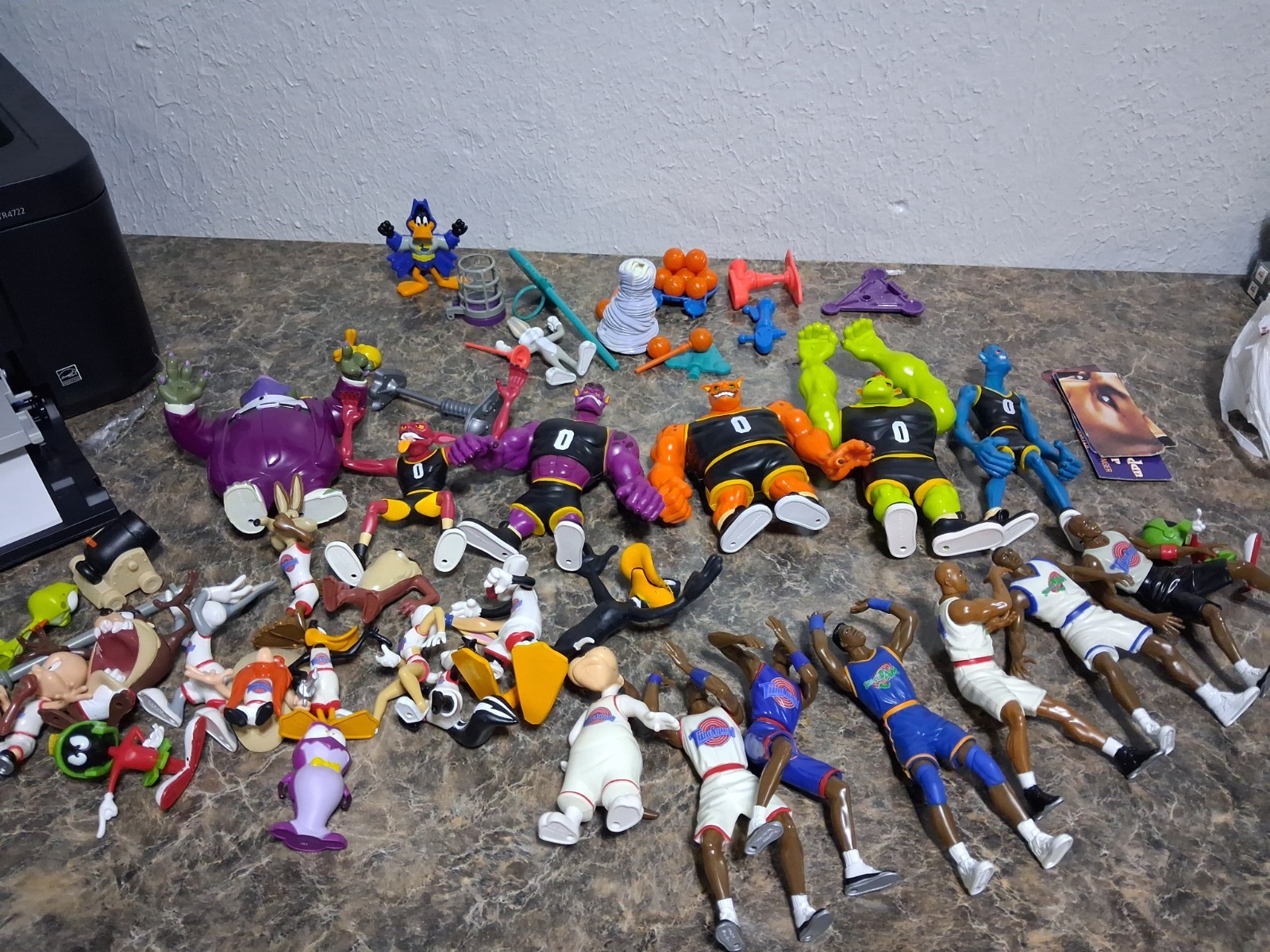
eBay links are affiliate links: JunkPal may earn a commission at no cost to you.
Resale values related to window clarity
Shop window clarity on eBay ↗


![Franken Berry [Metallic] #2 (Ad Icons)](https://storage.googleapis.com/images.pricecharting.com/qrurqqrucql2q6ks/240.jpg)
![Freddy Funko As Captain America [250] #SE (Freddy Funko)](https://storage.googleapis.com/images.pricecharting.com/wnkm4m7twu3vzr5r/240.jpg)

JunkPal may earn a commission when you buy through eBay links, at no extra cost to you.
What’s worth the most
Ranked on medians of real closed eBay sales, not asking prices.