What does “wave release” mean?
What it means
A wave release is a scheduled, sequential drop of a specific set or batch of collectible toys from a manufacturer. It is not a general product line release; it is a discrete installment. Think of it as a specific "season" or "chapter" of a toy line. Each wave typically introduces a new theme, a specific roster of characters, or an expansion of existing molds. The term signifies a planned inventory push. For the collector or reseller, the wave designation is a key identifier for tracking scarcity and demand within a product line.
What it does to price
Wave designation directly influences secondary market value based on perceived scarcity. A highly anticipated, limited-run wave (e.g., a "Chase" wave or a "Convention Exclusive" wave) can command 2x to 5x the price of a standard, mass-market wave. Conversely, waves that are widely distributed or quickly become oversaturated see price stagnation or decline. If a standard figure retails for \$10, a sought-after wave variant might sell loose for \$25–\$50. A CIB (Complete In Box) copy of a rare wave figure might fetch 1.8x to 3x the loose market rate due to packaging integrity.
How to spot it
Wave releases are identified by specific catalog numbers, packaging inserts, or subtle mold variations. Check the manufacturer’s official product database or the specific wave numbering system used by the brand (e.g., "Wave 3/2024"). Sellers must provide clear photos of the packaging showing the wave designation sticker or card. Watch for "wave bleed"—where figures from different, sequential waves are mixed in the same box. Common mistakes include mislabeling a standard wave as a limited wave. Always verify the wave number against known release schedules before purchasing.
Buying smart
Paying a premium for a wave release is justifiable when the wave is officially designated as limited, exclusive, or tied to a major event. If the wave is simply the next standard drop in a long-running line, the premium is often unwarranted. A fair deal means the asking price reflects the *actual* scarcity level, not just the hype. If a wave is highly anticipated but has no verifiable scarcity marker, treat it as a standard release price. If the price is more than 4x the established loose market rate without proof of limitation, it is likely inflated.
Selling smart
Proving the wave designation in a listing is the primary driver of premium pricing. The single most effective element is a clear, high-resolution photo of the packaging showing the official wave identifier (sticker, slipcover, or box print). Using the specific wave name in the title (e.g., "Wave 5: Cybernetic Assault") immediately qualifies the item for higher-tier buyers. Adding the word "Verified Wave Release" in the description acts as a strong trust signal, justifying a 10–20% increase over generic listings.
On eBay right now
Current asking prices from live listings — not sold-comp medians.

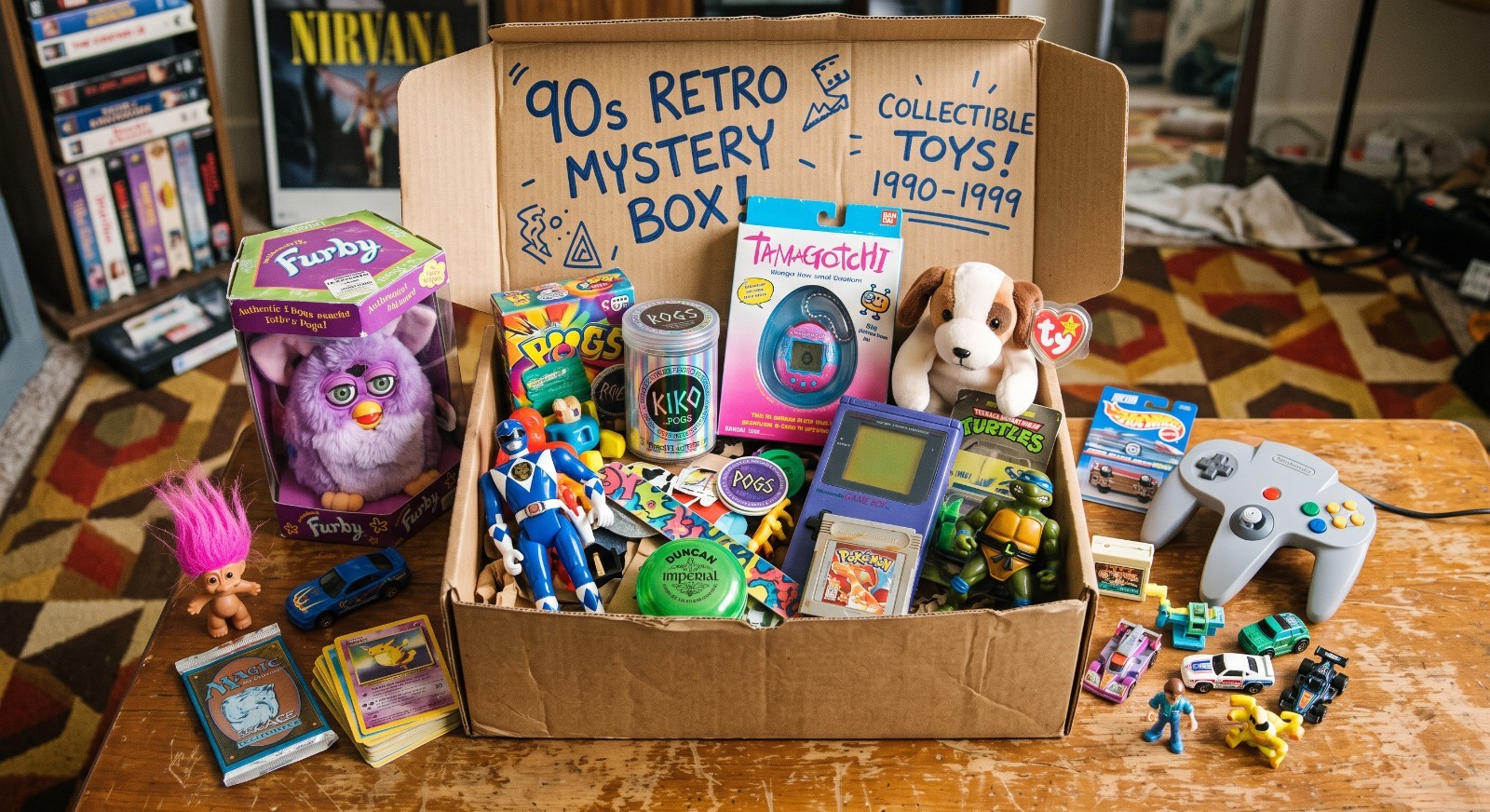

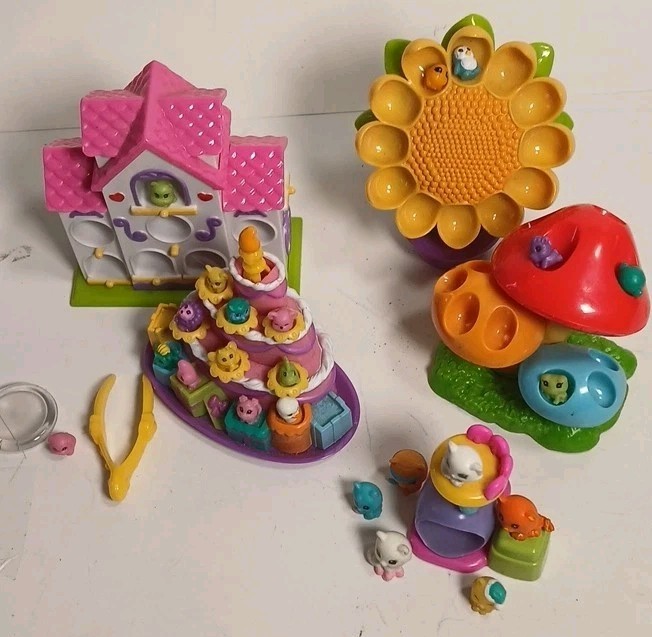

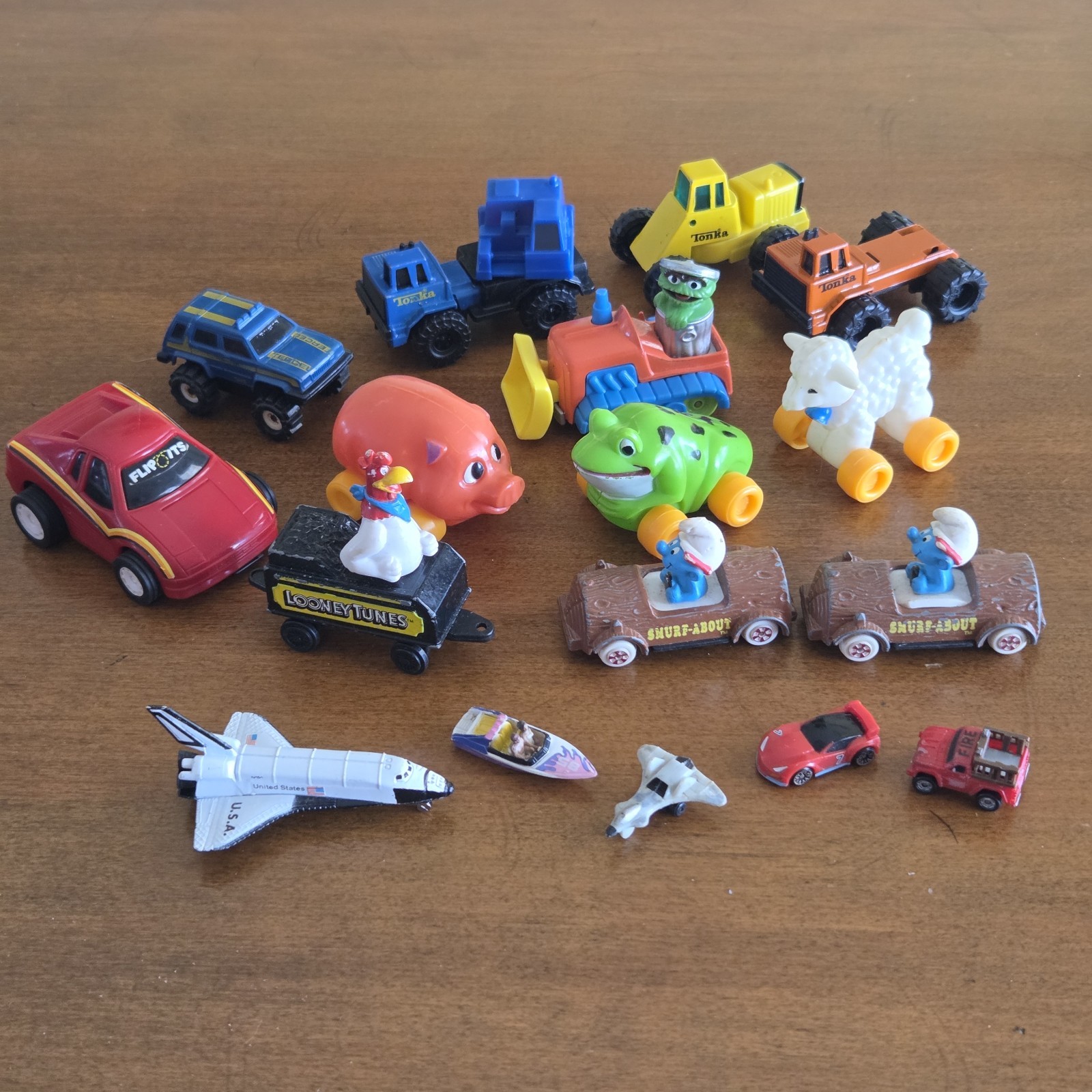
eBay links are affiliate links: JunkPal may earn a commission at no cost to you.
Resale values related to wave release
Shop wave release on eBay ↗![Green Arrow [Metallic] #15 (Heroes)](https://storage.googleapis.com/images.pricecharting.com/sfoqif2blbln44wh/240.jpg)
![Raphael [Metallic] #61 (Television)](https://storage.googleapis.com/images.pricecharting.com/bgvdomc3m4vnycqd/240.jpg)


![Beast [Flocked] #21 (Marvel)](https://storage.googleapis.com/images.pricecharting.com/yvoycgcknzf2xrfu/240.jpg)
![Martian Manhunter [Metallic] #18 (Heroes)](https://storage.googleapis.com/images.pricecharting.com/obmgxln52wkhzrkb/240.jpg)
![Winged Monkey [Metallic] #9 (Movies)](https://storage.googleapis.com/images.pricecharting.com/k2nhg6kqbxpf5c2f/240.jpg)
JunkPal may earn a commission when you buy through eBay links, at no extra cost to you.
What’s worth the most
Ranked on medians of real closed eBay sales, not asking prices.