What does “vintage toy market” mean?
What it means
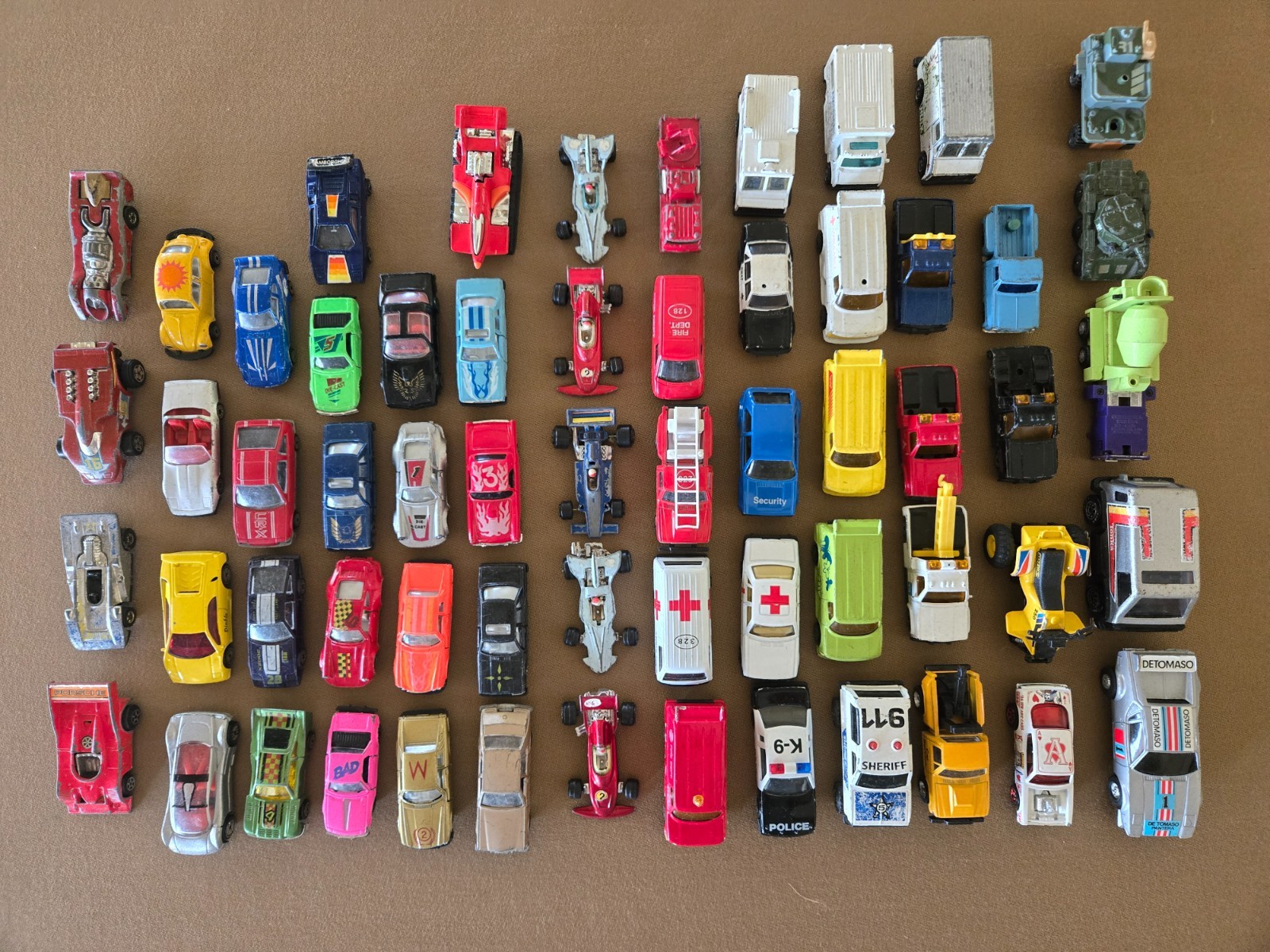
The vintage toy market is the sector dedicated to acquiring and trading toys manufactured prior to a specific cutoff, generally set around 1980, though this boundary shifts based on specific toy lines. It is not merely "old toys"; it is a specialized segment of the collectibles industry where value is derived from age, cultural significance, scarcity, and physical condition. The mainstream equivalent is the broader "nostalgia collectible" market. For this niche, "vintage" implies items that have achieved a degree of cultural resonance, moving them from mere playthings to artifacts.
What it does to price
Pricing in this market is non-linear. Condition is the primary driver. A mint-in-box (MIB) or complete-in-box (CIB) example of a highly sought-after line can command 3x to 10x the value of a loose, played-with piece. Minor defects, such as chipped paint or missing accessories, can reduce value by 20% to 50%. Conversely, finding an unreleased prototype or an error variant can introduce exponential value increases. For example, a common 1970s action figure, loose and complete, might sell for $40; the same figure in factory-sealed, original packaging could easily exceed $250.
How to spot it
Authenticity requires detailed examination. Sellers must provide high-resolution images of stamping, mold lines, and copyright dates. Look for specific production runs; for example, certain early 1960s figures might have a specific mold mark that was phased out in 1965. Common issues include "re-releases" (modern reproductions marketed as vintage) and "restorations" (pieces heavily repaired, often with modern paint). Always request photos of the interior packaging or bubble card, as these often contain the most accurate manufacturing data.
Buying smart
Paying a premium is justified when the piece is confirmed rare, culturally significant, and in near-perfect condition. This applies to limited-run promotional items or pieces from highly influential, short-lived lines. It is not worth the premium for common, mass-produced toys unless they are in flawless, sealed condition. A fair deal involves comparing the item's documented rarity against the asking price; if a piece is listed as "rare" but is easily found in bulk lots, the premium is inflated.
Selling smart
Documentation elevates perceived value immediately. A listing that includes multiple, well-lit photos showing the toy from every angle—especially close-ups of markings and packaging integrity—signals professionalism and authenticity. The single most effective word in a description is "Verified" or "Complete," provided the item truly meets that standard. Proving the item is CIB, rather than just "good condition," can shift the sale price by 50% or more because it removes the buyer's risk assessment of missing parts.
On eBay right now
Current asking prices from live listings — not sold-comp medians.


eBay links are affiliate links: JunkPal may earn a commission at no cost to you.
Resale values related to vintage toy market
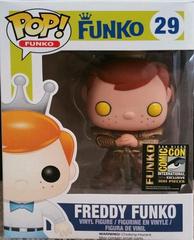
Shop vintage toy market on eBay ↗![Jack-Jack [Giants] #367 (Disney)](https://storage.googleapis.com/images.pricecharting.com/ivj2rja6agsqr4ap/240.jpg)

![Oogie Boogie [GITD] #39 (Disney)](https://storage.googleapis.com/images.pricecharting.com/t63evsbj3mrr2hme/240.jpg)

![Sulley [Flocked] #4 (Disney)](https://storage.googleapis.com/images.pricecharting.com/ad2u4mebvww5cvze/240.jpg)
![Mumm-Ra [GITD] #105 (Television)](https://storage.googleapis.com/images.pricecharting.com/gliojvm6ipapvj6r/240.jpg)
![Charizard [Metallic] #843 (Games)](https://storage.googleapis.com/images.pricecharting.com/iqzkm72uainftjs5/240.jpg)
JunkPal may earn a commission when you buy through eBay links, at no extra cost to you.
What’s worth the most
Ranked on medians of real closed eBay sales, not asking prices.