What does “vintage toy grade” mean?
What it means
"Vintage toy grade" describes the overall physical condition and aesthetic quality of an older toy. It is not a standardized numerical scale but a descriptive spectrum. The term encompasses factors like paint integrity, structural soundness, completeness (all original components present), and evidence of use. The mainstream equivalent is "condition grading," but for toys, the subjective assessment of "vintage" quality is paramount. A toy's grade is a holistic judgment; it is not just about being old, but about *how* it survived its age.
What it does to price
Grade directly dictates resale value. A toy graded "Mint in Box (MIB) Vintage" commands the highest premium. A CIB (Complete in Box) copy typically fetches 2x to 5x the price of a loose, played-with example, depending on rarity. Minor flaws—such as light scuffing or slight paint rub—will reduce value by 10-25%. Significant damage, such as broken limbs or heavy fading, can reduce value by 50% or more. For example, a common 1980s action figure in near-mint condition might sell for $40, while the same figure with heavy paint chipping might sell for $15.
How to spot it
Inspection requires close examination of several areas. Check for seam splits, stress fractures, and discoloration, particularly on plastic or vinyl. Look for original packaging integrity; creases, tears, or fading on the box significantly impact the grade. Examine paint application for chipping, especially around joints or high-wear areas. Sellers must provide high-resolution photos showing the toy from all angles, including close-ups of any visible wear points. Common issues include missing instruction manuals, loose joints (indicating wear), or sun-faded colors, which are often honest signs of age rather than counterfeits.
Buying smart
Paying a premium for high vintage grade is justified when the toy is exceptionally rare, highly sought after, or part of a critical, complete set. If the toy is common, the premium for "mint" condition rarely outweighs the savings of buying a slightly played-with version at a lower price point. A fair deal involves the asking price closely matching the documented condition relative to comparable sales. If a seller claims "Near Mint" but the photos show heavy surface scratching, the price is inflated.
Selling smart
Documenting the grade accurately maximizes profit. Listing the toy with precise descriptors—e.g., "Vintage, Excellent Condition, Minor Play Wear"—sets accurate buyer expectations. The single most valuable asset in a listing is a high-resolution, well-lit photo showing the toy’s most vulnerable area (e.g., a joint, a paint edge, or the box corners). This photo allows the buyer to verify the grade, building trust and justifying the premium price.
On eBay right now
Current asking prices from live listings — not sold-comp medians.
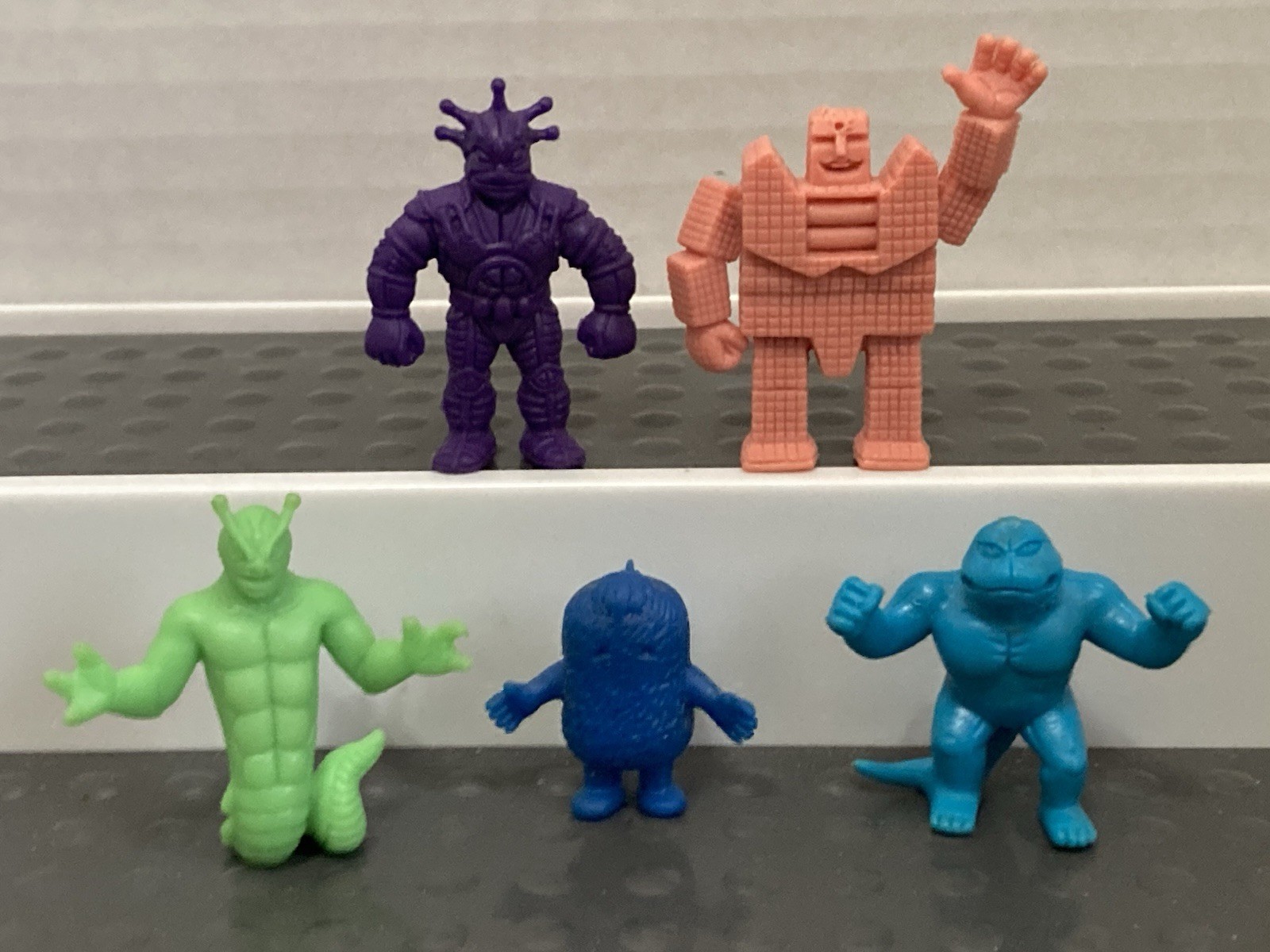


eBay links are affiliate links: JunkPal may earn a commission at no cost to you.
Resale values related to vintage toy grade
Shop vintage toy grade on eBay ↗


![Freddy Funko As John Cena [Translucent] #SE (Freddy Funko)](https://storage.googleapis.com/images.pricecharting.com/lyrdg4rrad7mwvm2/240.jpg)
![Sloth [Superman Shirt] #76 (Movies)](https://storage.googleapis.com/images.pricecharting.com/guxyemxeq4l5yqh5/240.jpg)
![Steamboat Willie [D23] #24 (Disney)](https://storage.googleapis.com/images.pricecharting.com/24bkzfe6wtobrgku/240.jpg)
![Hawkman [Metallic] #17 (Heroes)](https://storage.googleapis.com/images.pricecharting.com/ye34olsq2kzpoxgt/240.jpg)
JunkPal may earn a commission when you buy through eBay links, at no extra cost to you.
What’s worth the most
Ranked on medians of real closed eBay sales, not asking prices.