What does “vintage toy” mean?
What it means
"Vintage toy" denotes a plaything manufactured before a specific cutoff, typically pre-1980s, though the precise definition varies by sub-niche. This term is a broad category. In the collecting market, it signifies items that reflect older manufacturing standards, design aesthetics, or historical periods. It is not synonymous with "antique," which implies much greater age and often requires specific appraisal standards. The value is derived from nostalgia, cultural significance, and scarcity, not just age. The specific era, manufacturer, and condition are the primary determinants of market worth.
What it does to price
Condition is the single largest price driver. A toy in Mint in Box (MIB) or Complete in Box (CIB) condition can command a 2x to 5x premium over the same item sold loose or damaged. Minor playwear reduces value by 15-30%. Missing original packaging (box, instruction manual) can cause a drop of 20-40% depending on the toy's rarity. For a common 1970s action figure, a loose, played-with example might sell for $15. The same figure, CIB, could easily fetch $60 to $100+. Provenance—documented history of ownership—can add a small but noticeable premium, typically 5-10%.
How to spot it
Authenticity checks require examining manufacturing details. Look for specific mold lines, paint application quality, and material composition consistent with the claimed production year. For older plastics, check for characteristic discoloration or brittleness. Sellers must provide high-resolution photos of identifying marks: copyright dates, mold numbers stamped on the base, and specific paint application patterns. Common issues include "reissues" (modern reproductions marketed as vintage) and "restomods" (heavily modified vintage pieces). Always ask for close-ups of the seams and any visible production stamps.
Buying smart
Paying a premium is justified when the toy is rare, highly desirable within a specific collecting community (e.g., specific sci-fi lines), and the condition is near-perfect. If the toy is common, heavily worn, or lacks documentation, the premium is usually unwarranted. A fair deal involves paying a price that reflects the *condition* relative to comparable graded examples, not just the stated age. If a CIB piece is listed at 3x the average loose sale price without exceptional rarity, it is likely overpriced.
Selling smart
Listing must establish the toy's condition immediately. Use clear, standardized terminology: "Near Mint," "Excellent," "Complete," etc. The single most valuable element in a listing is photographic proof of the packaging integrity. A clear, well-lit photo of the entire box showing all edges and corners earns the premium. If the toy has original tags or documentation, this must be explicitly stated in the title and description. Authenticity documentation, even a dated receipt, significantly increases buyer confidence and perceived value.
On eBay right now
Current asking prices from live listings — not sold-comp medians.
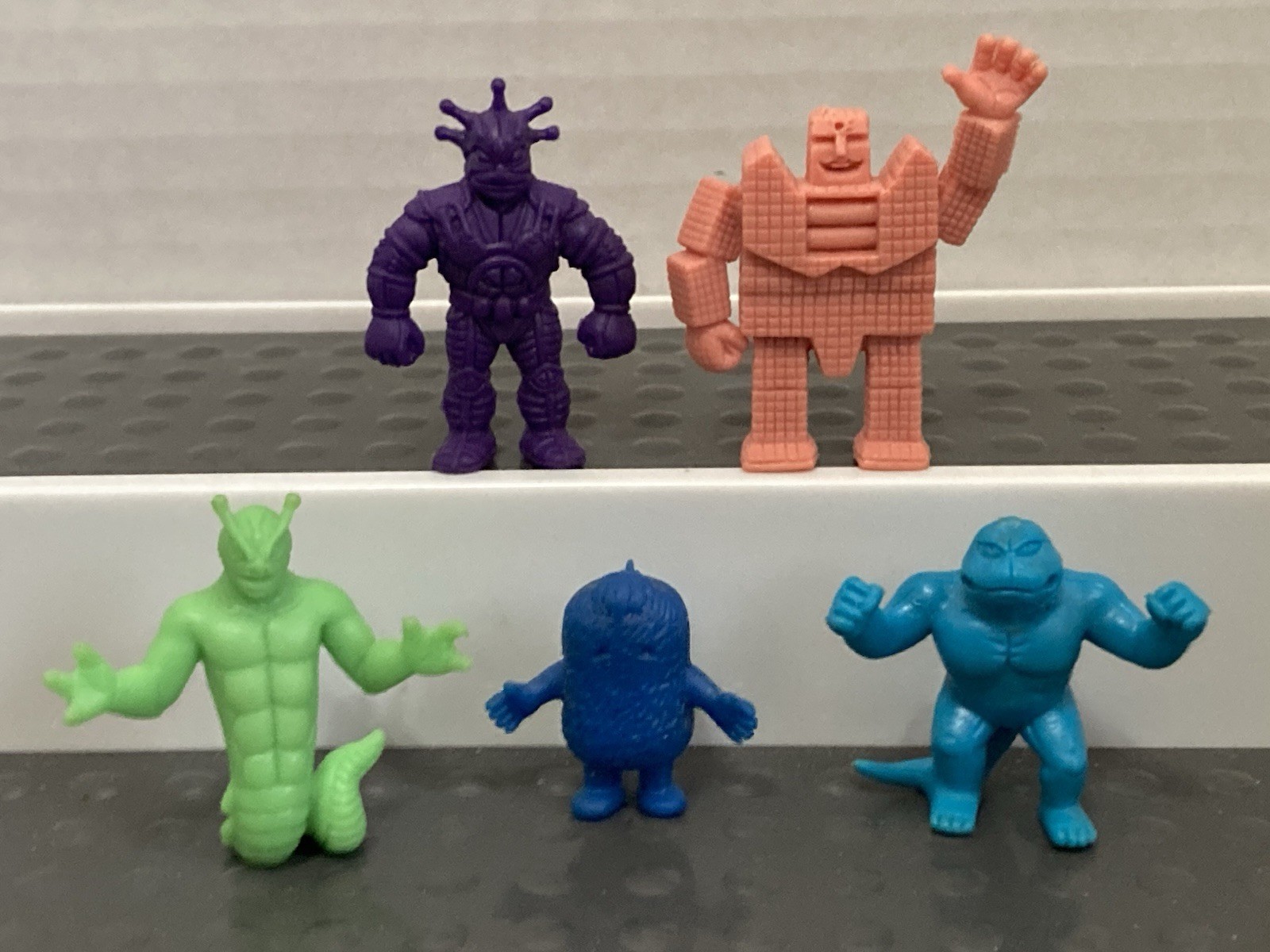


eBay links are affiliate links: JunkPal may earn a commission at no cost to you.
Resale values related to vintage toy
Shop vintage toy on eBay ↗![Captain America [Black And White] #6 (Marvel)](https://storage.googleapis.com/images.pricecharting.com/xpo2ucj6yllz3sje/240.jpg)
![White Ranger [GITD] #22 (Television)](https://storage.googleapis.com/images.pricecharting.com/33giahhj65p5mb64/240.jpg)



![Ahsoka [Hall H] #464 (Star Wars)](https://storage.googleapis.com/images.pricecharting.com/ihkm7ajlce2wugd7/240.jpg)
JunkPal may earn a commission when you buy through eBay links, at no extra cost to you.
What’s worth the most
Ranked on medians of real closed eBay sales, not asking prices.