What does “vintage sealed” mean?
What it means
"Vintage sealed" means a toy manufactured in a past era—typically defined as pre-1990s, though this varies by franchise—that remains in its original, factory-applied, unopened packaging. The term requires two conditions: age ("vintage") and integrity ("sealed"). "Sealed" means the original factory seals, tape, or plastic wrapping are intact and show no signs of prior opening, tampering, or damage. This is not merely "in box" (MIB); it is *sealed*, meaning the product inside has never been exposed to the environment outside the manufacturer's protective layer. This condition is the highest tier for toy collectibles.
What it does to price
The sealed status commands a substantial premium over loose or even "Mint In Box" (MIB) but unsealed items. A high-grade, vintage sealed item can typically fetch 2x to 5x the price of the same item loose, depending on rarity. Factors pushing the price up include pristine card corners, vibrant print quality, and unbroken factory seals. Factors pulling the price down include yellowing plastic (shelf wear), minor creasing on the outer cardboard, or visible stress marks on the plastic window. For example, a common 1980s action figure, loose, might sell for $20; the identical item sealed and graded might sell for $75 to $100.
How to spot it
Authenticity relies on examining the packaging itself. Look for manufacturer printing dates, copyright years, and specific production codes printed on the box or blister card backing—these confirm the "vintage" claim. The seals must be factory-applied; amateur tape or aftermarket seals devalue the item immediately. Common mistakes involve buyers confusing "Mint In Box" (MIB) with "Sealed." MIB means the box is perfect but the plastic window has been opened. Sellers must provide high-resolution photos of the factory seal location, not just the front of the box. Fakes are rare but often involve reproductions of the outer packaging with missing or poorly replicated interior seals.
Buying smart
Paying the premium for sealed items is justified only when the item is genuinely rare, highly sought after, or part of a complete, high-value set. If the item is common, the premium often outweighs the potential profit margin. A fair deal involves the price reflecting the *risk* of condition degradation. If a seller is asking for a price that suggests a professional grading service (like AFA) without providing that service, the price is likely inflated. A reasonable starting point for negotiation is 75% of the asking price, contingent on clear photographic proof of seal integrity.
Selling smart
Listing must immediately establish the "sealed" status. The single most valuable element in a listing is a clear, well-lit photograph showing the factory seal from a close distance. Use a macro lens if possible. The word "Sealed" or "Factory Sealed" must be in the title, not buried in the description. Buyers pay a premium for certainty. If the seals are perfect, the buyer assumes zero risk regarding tampering, allowing the seller to command the top tier of the market price.
On eBay right now
Current asking prices from live listings — not sold-comp medians.

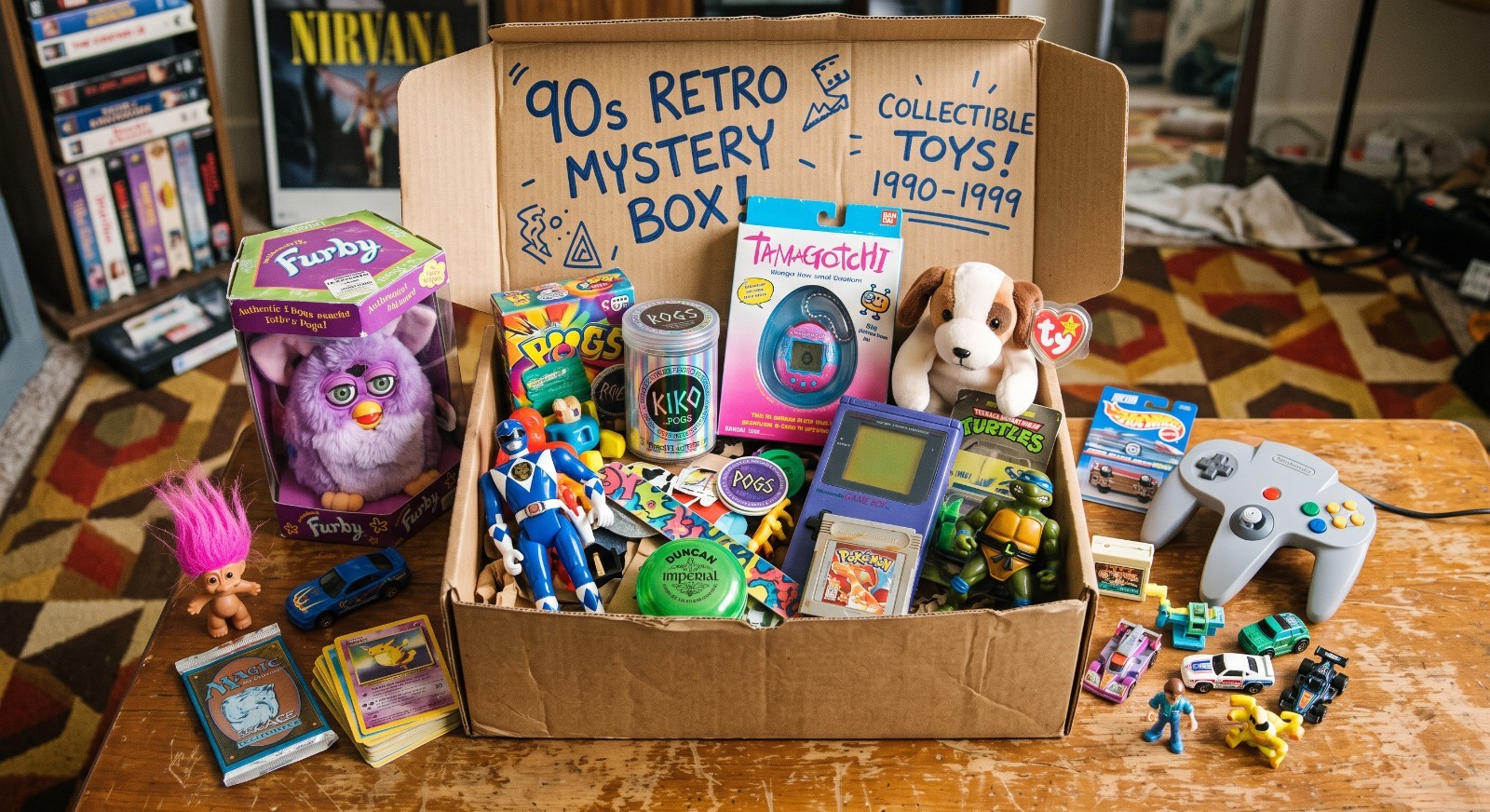

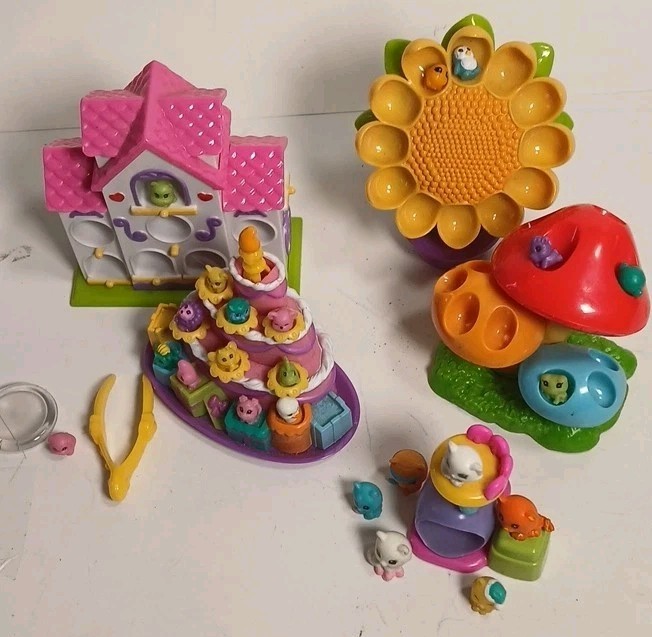

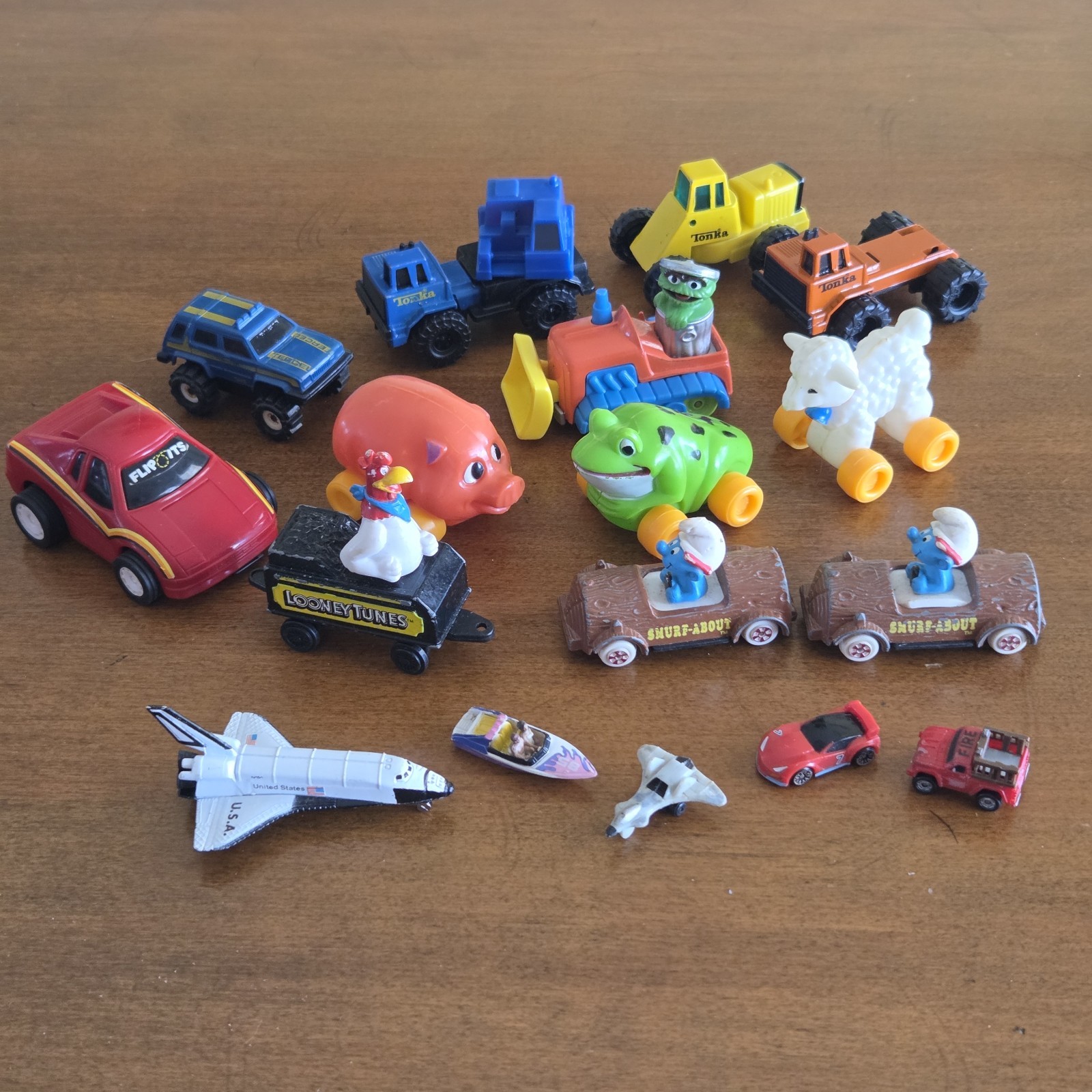
eBay links are affiliate links: JunkPal may earn a commission at no cost to you.
Resale values related to vintage sealed
Shop vintage sealed on eBay ↗


![Freddy Funko [Yoda] #SE (Freddy Funko)](https://storage.googleapis.com/images.pricecharting.com/n6mh2ox3t6yqc5wh/240.jpg)

![Boba Fett Droids [SDCC] #32 (Star Wars)](https://storage.googleapis.com/images.pricecharting.com/uezfpjpfhprk4g54/240.jpg)
![Freddy Funko Twisty [Bloody] #42 (Freddy Funko)](https://storage.googleapis.com/images.pricecharting.com/hyv7d5wuwybj77a3/240.jpg)
![Winnie The Pooh [Flocked] #32 (Disney)](https://storage.googleapis.com/images.pricecharting.com/oq4bri67qxzaisio/240.jpg)
JunkPal may earn a commission when you buy through eBay links, at no extra cost to you.
What’s worth the most
Ranked on medians of real closed eBay sales, not asking prices.