What does “vintage release” mean?
What it means
A vintage release is a toy or collectible manufactured and released during a specific, definable past era. This is not merely old; it implies a specific production run tied to historical design, material science, or cultural trends. The term distinguishes it from "retro" or "reissue," which are modern reproductions of older designs. Vintage items carry intrinsic value based on their original production context. For the reseller, this categorization signals immediate market appeal driven by nostalgia and historical collecting interest.
What it does to price
Vintage status acts as a primary value multiplier. A mint, complete-in-box (CIB) vintage piece typically commands a 2x to 5x premium over a loose, used equivalent, depending on scarcity. Condition is the largest variable: Near Mint (NM) vintage pieces can achieve 10x or more if they are highly sought-after items from a short production run. Conversely, significant damage (e.g., missing limbs, severe paint chipping) can reduce the value by 50% or more, regardless of the original item's desirability. For example, a complete 1980s action figure in NM condition might sell for \$150, while the same figure missing its original card and with minor scuffs might sell for \$45.
How to spot it
Authentication relies on specific production markers. Collectors must verify copyright dates, mold markings, or specific paint applications unique to the original manufacturing period. For plastic toys, look for the texture or feel of the plastic; early runs often used different compounds than later reprints. Sellers must provide high-resolution photos of the back of the packaging, specifically the copyright or licensing stamp. Common pitfalls include "reissues" marketed as vintage—these often feature modern safety warnings or updated logos. Always scrutinize the box seams for signs of modern tape or repair.
Buying smart
Paying a premium for a vintage item is justified when the piece is a cornerstone of a specific collecting niche (e.g., a first-run character or a limited-run promotional item). The premium is warranted when the item is CIB and the provenance (history of ownership) is traceable. Avoid paying top-tier prices for common, high-volume vintage items unless the condition is truly museum-grade. A fair deal involves a price that reflects the item's scarcity *relative to its condition*. If a piece is common but pristine, the premium is minor; if it is rare and pristine, the premium is substantial.
Selling smart
Listing strategy must clearly define the vintage status and condition to attract serious buyers. Use the term "Vintage [Year/Era]" in the title, not just "Old." Highlighting the presence of original packaging, instruction manuals, or factory seals immediately elevates the perceived value. The single most impactful element in a listing is a clear, well-lit photograph of the item *with its original box/card*, showing all four sides. This single visual confirmation shifts the buyer's perception from "old toy" to "collectible artifact," justifying the highest price tier.
On eBay right now
Current asking prices from live listings — not sold-comp medians.

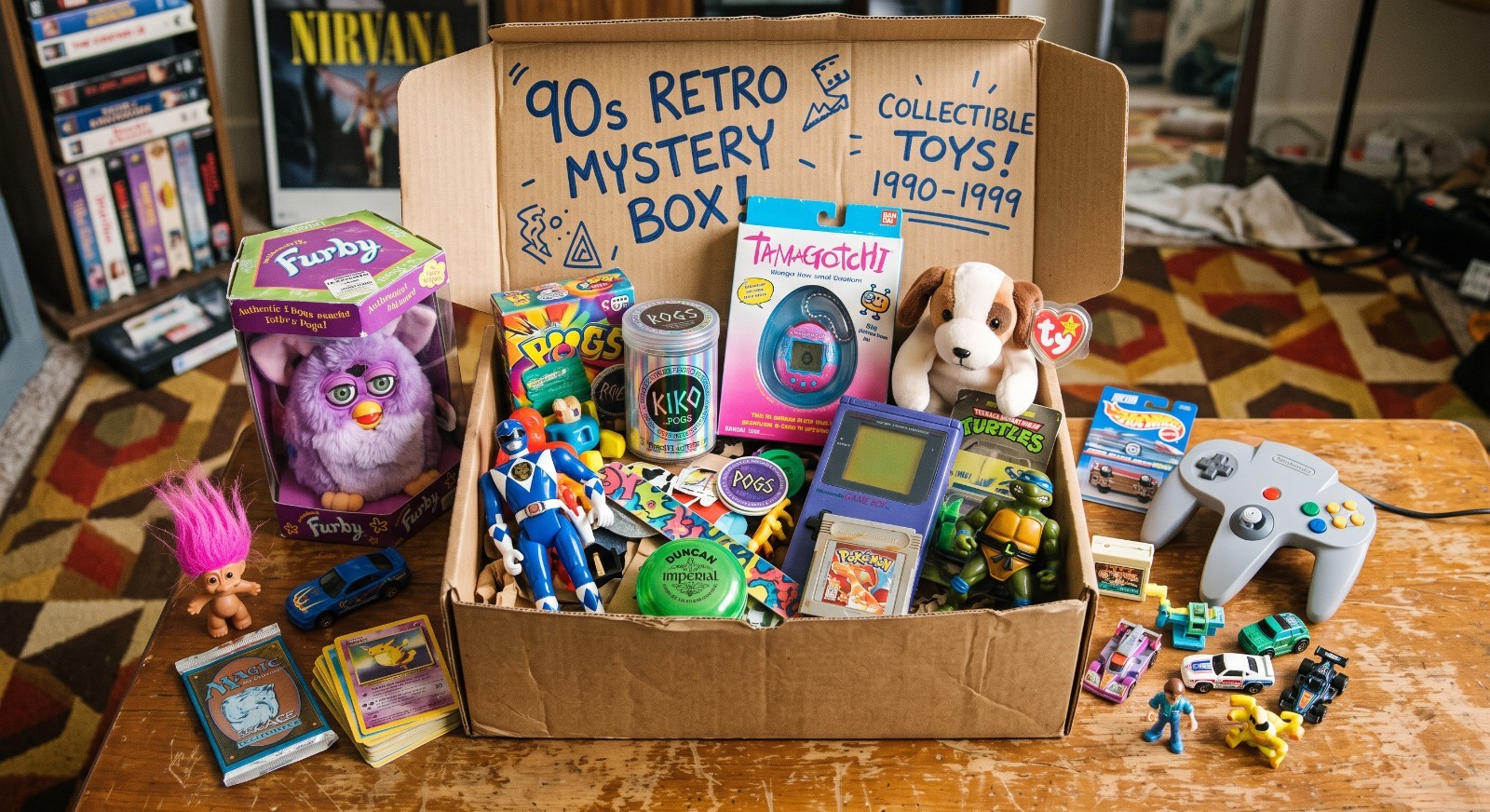

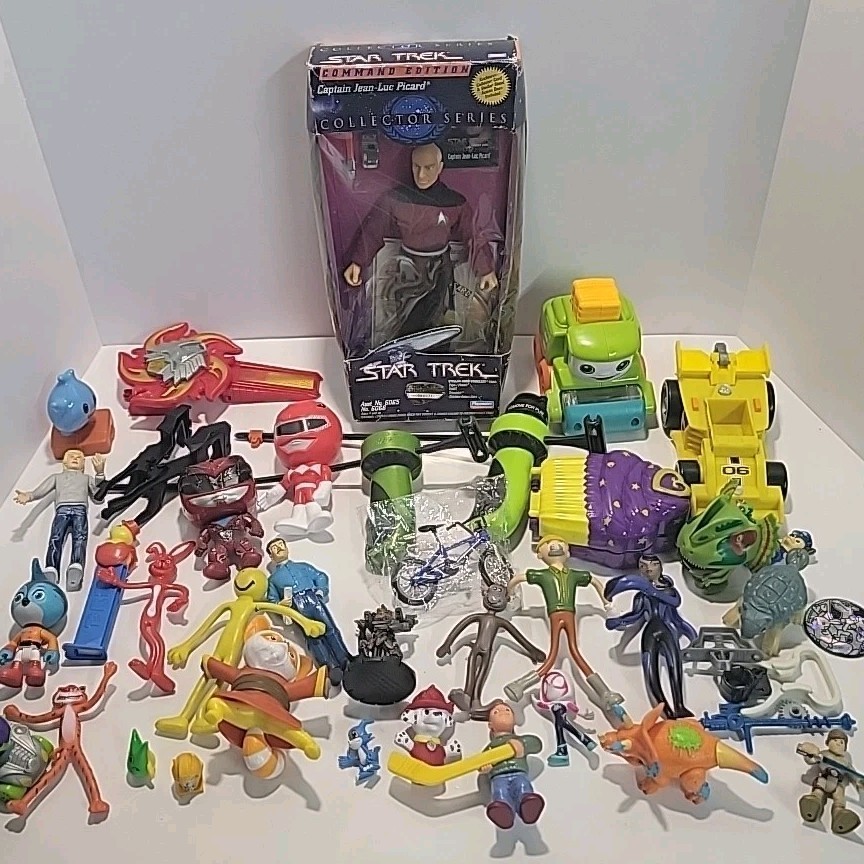


eBay links are affiliate links: JunkPal may earn a commission at no cost to you.
Resale values related to vintage release
Shop vintage release on eBay ↗![Batman [Black And White] #621 (Heroes)](https://storage.googleapis.com/images.pricecharting.com/jnmlup4n7nvvycf4/240.jpg)

![Batman [Pink Chrome] #144 (Heroes)](https://storage.googleapis.com/images.pricecharting.com/rc4m7ipqj3ity5je/240.jpg)

![Freddy Funko As Frodo Baggins [Immortalized] #SE (Freddy Funko)](https://storage.googleapis.com/images.pricecharting.com/kjrzj73hqad4mfye/240.jpg)

JunkPal may earn a commission when you buy through eBay links, at no extra cost to you.
What’s worth the most
Ranked on medians of real closed eBay sales, not asking prices.