What does “vintage packaging art” mean?
What it means
Vintage packaging art is the original graphic design, illustration, and layout printed on the box, blister card, or container of a toy from a specific past era. This is not merely the toy itself; it is the complete presentation artifact. It includes the specific branding, character artwork, and color palette used by the manufacturer at the time of production. The term refers to the *quality and completeness* of the graphics, not just the presence of packaging. For resellers, this art functions as the primary historical identifier, confirming the toy's original release context.
What it does to price
Intact, vibrant vintage packaging art is a direct multiplier on the toy's base value. A toy sold loose (out of box) typically commands a baseline price. Adding high-grade, complete packaging (Mint/Near Mint condition) can increase that value by 1.8x to 4x, depending on the toy's rarity. Packaging damage—creases, fading, or missing inserts—can reduce the value by 20% to 50% compared to pristine examples. For example, a rare action figure might sell for \$100 loose, but the same figure in flawless vintage packaging could easily command \$250 to \$400.
How to spot it
Authentic vintage art exhibits specific printing characteristics of its era. Look for the printing quality; early runs might have less precise color registration than later reprints. Key tells include specific copyright dates, manufacturer logos, and unique production codes printed on the card backing or box seams. Always request high-resolution photos of the *entire* artwork panel, not just the front display. Be wary of "reproduction art" or modern reproductions printed on cheap cardstock—these lack the texture and ink saturation of the original. Honest mistakes include minor shelf wear or light corner dings, which are common for the age.
Buying smart
Paying a significant premium for vintage packaging art is justified when the toy is a high-demand, low-supply item, or when the packaging itself is exceptionally rare (e.g., a promotional variant box). It is not worth the premium for common, low-value toys, where the marginal return on investment is minimal. A fair deal involves the packaging condition matching the listed grade. If a seller claims "Near Mint" art but the photos show significant creasing or sun-fading, the price is inflated.
Selling smart
Presenting the packaging art clearly dictates the price ceiling. Listings must feature multiple, well-lit photos focusing specifically on the artwork, showing the front, back, and any included inserts. The single most effective word in a title or description is "MIB" (Mint in Box) or "CIB" (Complete in Box), provided the condition is accurate. Highlighting the original artwork's vibrancy and completeness allows the seller to command the top-tier collector price, often bypassing the market rate for loose items entirely.
On eBay right now
Current asking prices from live listings — not sold-comp medians.
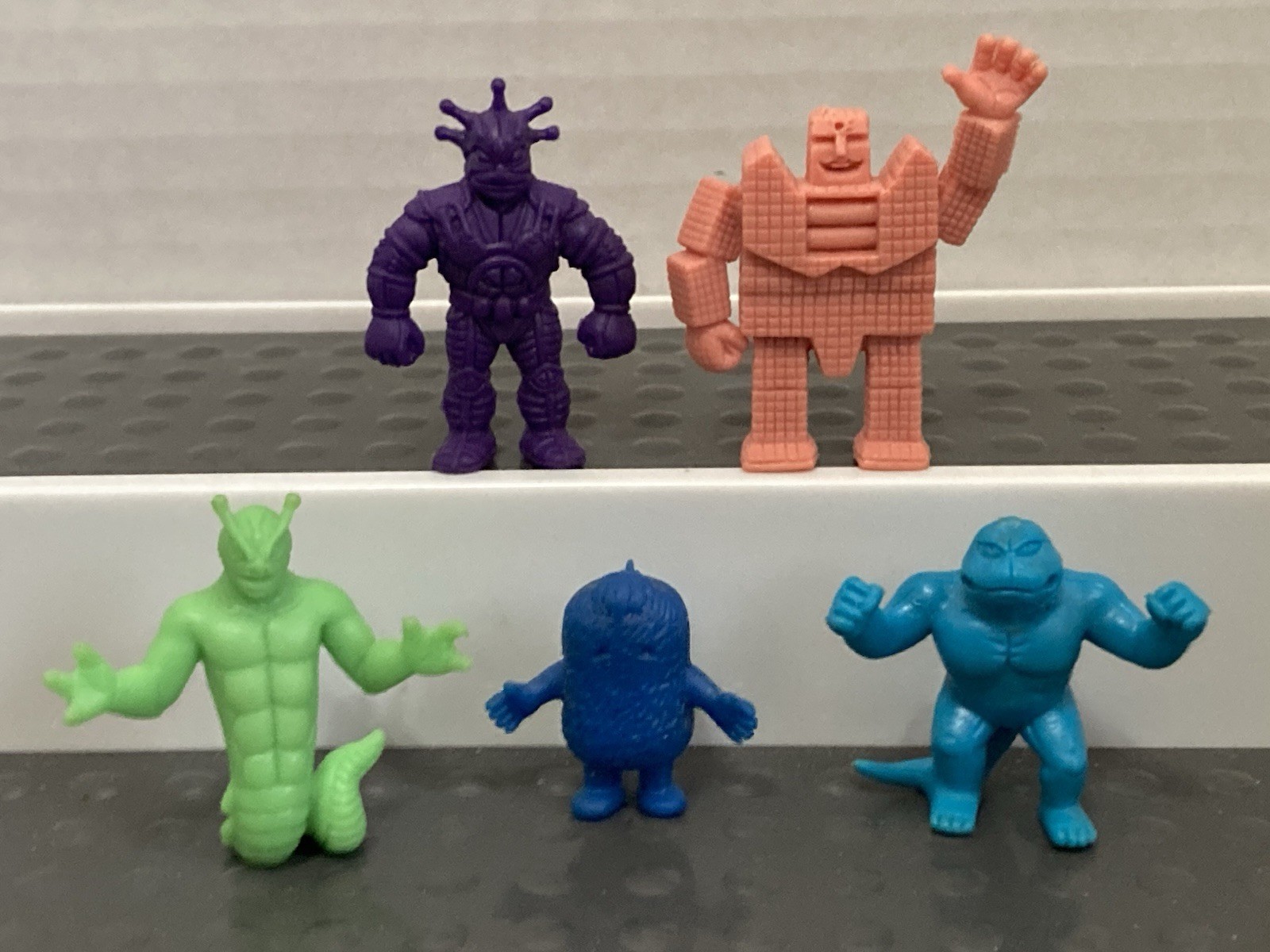


eBay links are affiliate links: JunkPal may earn a commission at no cost to you.
Resale values related to vintage packaging art
Shop vintage packaging art on eBay ↗![Ariel & Ursula [Metallic] (Minis)](https://storage.googleapis.com/images.pricecharting.com/ovxsxrus2ixljhed/240.jpg)

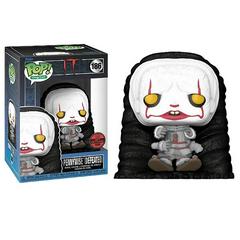

![Freddy Funko As Optimus Prime [Metallic] #SE (Freddy Funko)](https://storage.googleapis.com/images.pricecharting.com/7nkbfbjrdovbgf6p/240.jpg)

![Jason Voorhees [Summer Convention] #202 (Movies)](https://storage.googleapis.com/images.pricecharting.com/kebpbmethdc5wdfo/240.jpg)
![Freddy Funko Hulk Hogan [Injured] #34 (Freddy Funko)](https://storage.googleapis.com/images.pricecharting.com/wzgbacq4cfhjjho3/240.jpg)
JunkPal may earn a commission when you buy through eBay links, at no extra cost to you.
What’s worth the most
Ranked on medians of real closed eBay sales, not asking prices.