What does “vintage figure” mean?
What it means
A vintage figure is a collectible toy or action figure manufactured before the last 30 years. This term is not strictly defined by a single year but by the collector market's perception of "past era." The value is derived from its age, original design, and cultural relevance, not its current playability. The mainstream equivalent is "retro collectible," but "vintage" implies a specific, older production window that drives higher perceived scarcity. Condition is the primary determinant of value; "mint" or "near-mint" condition commands the highest premium.
What it does to price
Condition acts as a steep multiplier. A complete in box (CIB) piece typically fetches 1.5 to 3 times the price of a loose, complete figure. Missing accessories or packaging can reduce value by 30-50%. Rarity is exponential; a known limited run variant can increase value by 5x or more over a common release. Conversely, heavy paint chipping or missing limbs can reduce value by 60% or more. For example, a common 1980s character figure might sell for \$20 loose, but the same figure in sealed, original packaging could easily sell for \$150.
How to spot it
Authenticity checks require scrutiny of manufacturing details. Look for specific mold markings, copyright dates, and plastic texture unique to the production year. Sellers must provide high-resolution photos of the back of the packaging or the figure's joints/mold lines. Common issues include knock-offs using modern, softer plastics, or "re-releases" that mimic vintage molds but use modern paint applications. Always verify the specific production line markings; these are often the easiest way to distinguish a genuine vintage item from a modern reproduction.
Buying smart
Paying a premium is justified when the figure is a known, highly desirable piece from a peak production run (e.g., a specific character from a franchise's original run) and is in near-mint condition. It is not worth the premium for a common character in poor condition, where the cost of restoration often exceeds the potential profit. A fair deal requires the asking price to be within 20% of comparable, documented sales data for the same condition and variant. If the seller cannot provide clear photos of the box condition, the risk is too high.
Selling smart
Listing must prioritize condition documentation. Buyers pay a premium for certainty. A detailed description stating "Mint on Card (MOC)" or "Complete with all original accessories" immediately elevates the perceived value. The single most effective element is a photograph showing the figure/packaging under bright, direct light, clearly revealing any surface flaws, wear, or box creases. Providing provenance—a documented history of ownership—can add a small but measurable premium, signaling authenticity and care.
On eBay right now
Current asking prices from live listings — not sold-comp medians.
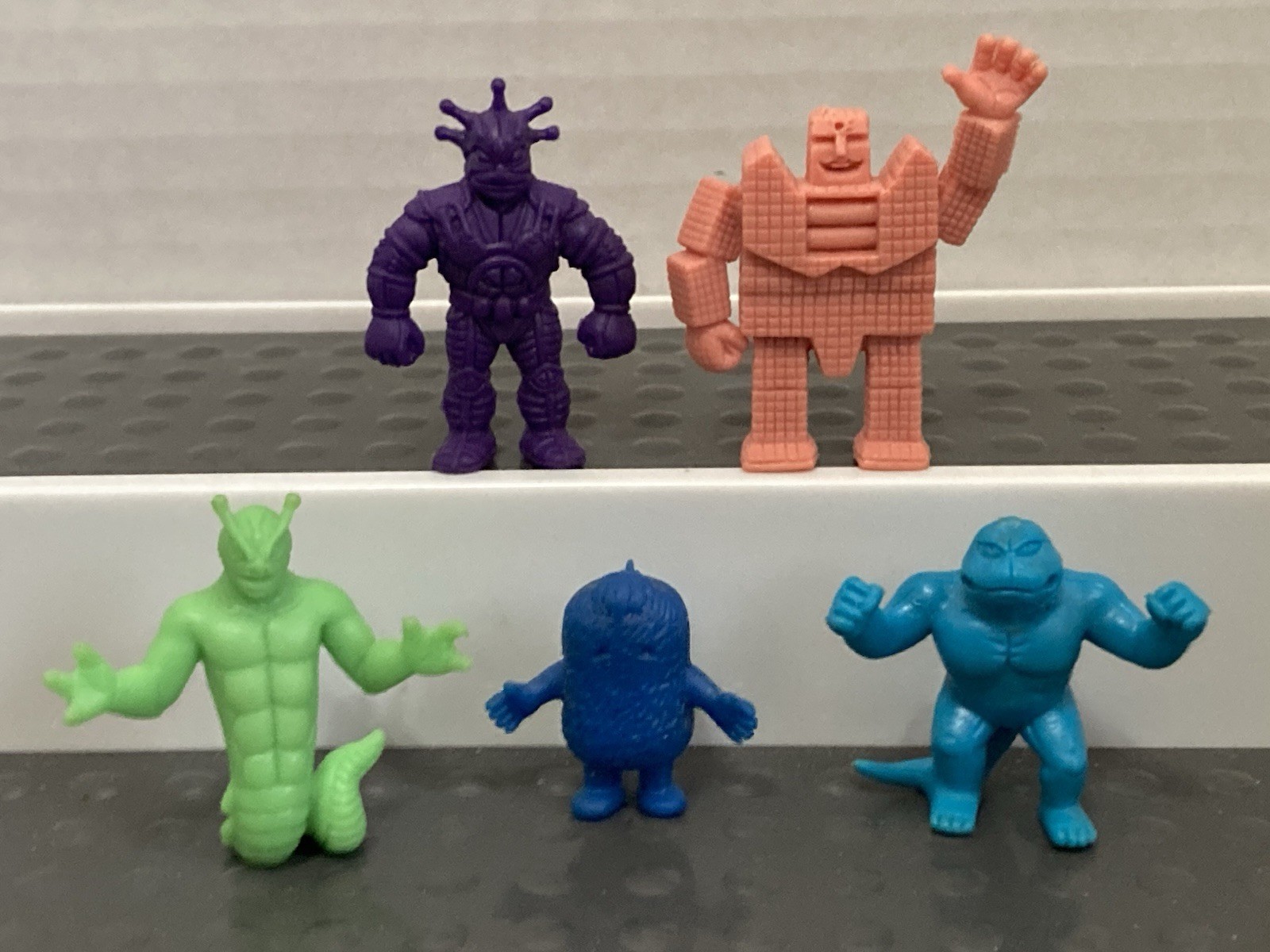


eBay links are affiliate links: JunkPal may earn a commission at no cost to you.
Resale values related to vintage figure
Shop vintage figure on eBay ↗
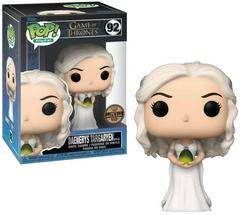

![Spider-Man [GITD] #15 (Marvel)](https://storage.googleapis.com/images.pricecharting.com/sc5zkiw7degrwy2x/240.jpg)
![Freddy Funko [Yoda] #SE (Freddy Funko)](https://storage.googleapis.com/images.pricecharting.com/n6mh2ox3t6yqc5wh/240.jpg)
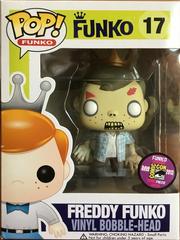

![Boba Fett Droids [SDCC] #32 (Star Wars)](https://storage.googleapis.com/images.pricecharting.com/uezfpjpfhprk4g54/240.jpg)
JunkPal may earn a commission when you buy through eBay links, at no extra cost to you.
What’s worth the most
Ranked on medians of real closed eBay sales, not asking prices.