What does “vintage collectible” mean?
What it means
"Vintage collectible" in the toy niche refers to playthings manufactured before the current era of mass-market, contemporary production. This is distinct from "retro," which often refers to modern items intentionally styled after past decades. Vintage items possess genuine age, reflecting the manufacturing standards, materials, and cultural context of their original production period. The term is broad; it encompasses everything from 1940s tin toys to 1980s action figures, provided they meet the age threshold and possess collectible appeal. It is not merely "old"; it must hold demonstrable historical or cultural significance within the toy collecting community to qualify for premium valuation.
What it does to price
Condition is the primary price driver. A complete in box (CIB) vintage piece typically commands a 1.5x to 4x multiplier over a loose, used example, depending on the item's inherent rarity. Grading significantly impacts value; factory-sealed or mint-in-box items achieve the highest premiums. Damage—missing parts, paint chipping, or significant structural wear—can reduce value by 30% to 70%. For example, a rare 1970s vinyl figure in excellent condition might sell for $150; the same figure with a cracked limb could sell for $45. Rarity, determined by production runs, is the secondary multiplier.
How to spot it
Authentication requires checking manufacturing details. Look for copyright dates, mold markings, or specific production stamps molded into the base or packaging. For toys, print quality on original packaging is a key indicator; early printing often shows different registration or ink saturation than later reprints. Sellers must provide high-resolution photos of these specific markers. Common issues include "reissues"—items made decades later using old molds—which are not true vintage. Honest mistakes include mislabeling or confusing a later, similar-looking item with the true vintage version.
Buying smart
The premium for vintage items is justified when the piece is demonstrably rare, culturally iconic, or in near-mint condition. Paying a high price is sensible for cornerstone pieces of a specific collecting area (e.g., a key character from a seminal 1960s line). Paying a premium is not warranted for common, well-known items unless they are factory sealed. A fair deal involves the asking price being within 20% of comparable, verified sales data for the item's condition and rarity level. If the condition is poor, the price should reflect heavy restoration costs or depreciation.
Selling smart
Documentation elevates perceived value immediately. Providing clear, well-lit photographs of the item's specific markings, serial numbers, and any original packaging details proves authenticity. The single most valuable element in a listing is verifiable provenance—a clear history of ownership or acquisition. Adding a single word like "Original Box" or "Mint Condition, Unopened" when accurate, directly triggers the premium buyers expect, allowing the seller to command the higher end of the market range.
On eBay right now
Current asking prices from live listings — not sold-comp medians.
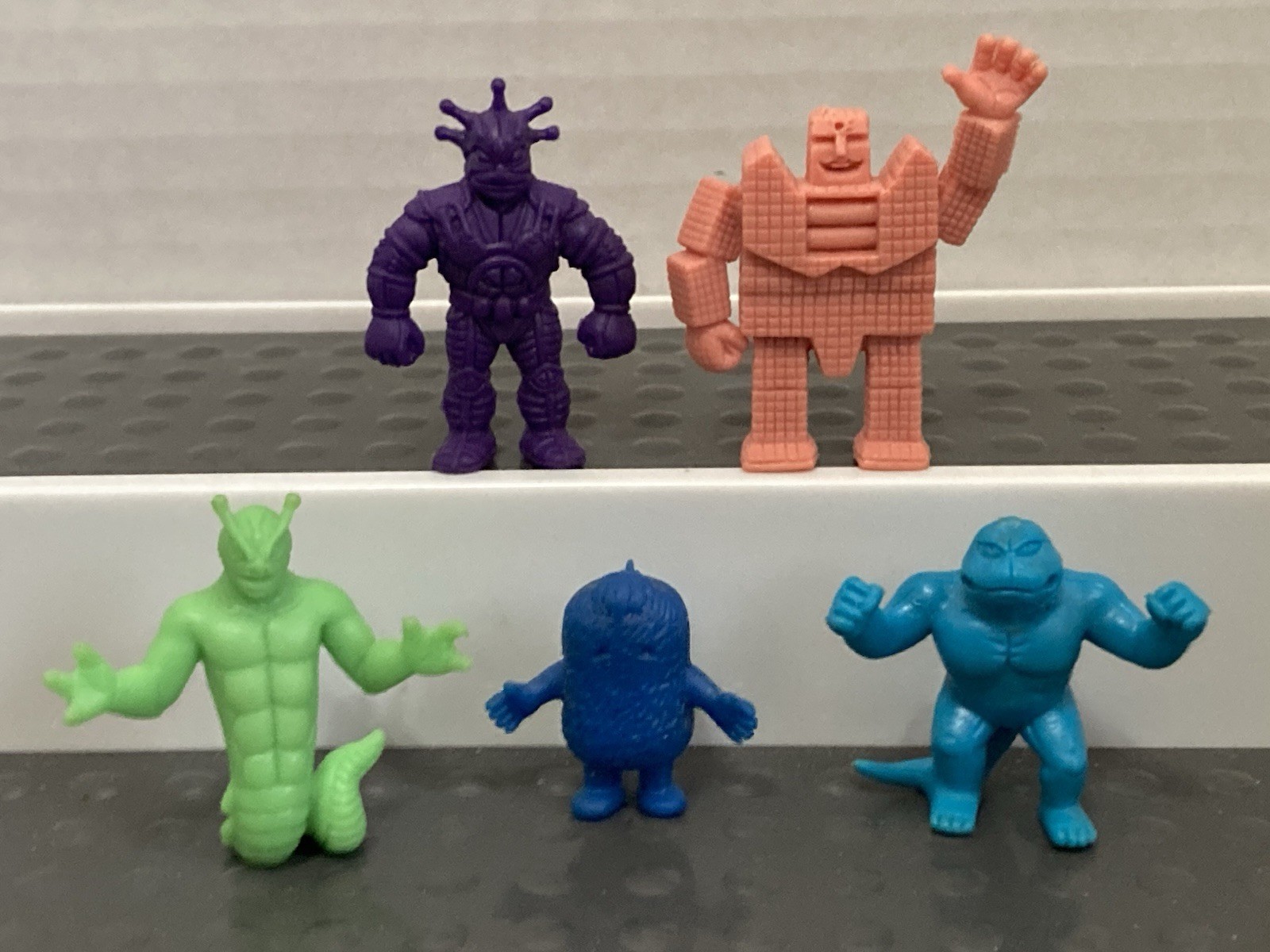


eBay links are affiliate links: JunkPal may earn a commission at no cost to you.
Resale values related to vintage collectible
Shop vintage collectible on eBay ↗![Scooby-Doo [Flocked Pink] #149 (Animation)](https://storage.googleapis.com/images.pricecharting.com/aqn7i2pxg4hm3j5f/240.jpg)

![Princess Leia Boushh Unmasked [Summer Convention] #54 (Star Wars)](https://storage.googleapis.com/images.pricecharting.com/tsjggiuoeth5bgb4/240.jpg)
![Deadpool [Metallic] #20 (Marvel)](https://storage.googleapis.com/images.pricecharting.com/o4jxtd6rddbkkgol/240.jpg)
![Aquaman [Metallic] #16 (Heroes)](https://storage.googleapis.com/images.pricecharting.com/n2nxwi3oj7jbrhwm/240.jpg)
![Tossakan [Purple] #45 (Asia)](https://storage.googleapis.com/images.pricecharting.com/4ze3nqh2q5pj7sri/240.jpg)
![T-Bone [Pink Chase] #4 (Fantastik Plastik)](https://storage.googleapis.com/images.pricecharting.com/e3yy5la5szazbywz/240.jpg)
JunkPal may earn a commission when you buy through eBay links, at no extra cost to you.
What’s worth the most
Ranked on medians of real closed eBay sales, not asking prices.