What does “very good on card” mean?
What it means
"Very good on card" (VGOC) means the toy is sealed or displayed within its original manufacturer's packaging, and the packaging itself exhibits minimal signs of wear. "On card" is the industry standard for packaged collectibles. "Very good" means the box or blister pack lacks significant damage: no deep creases, major dents, fading, or prominent corner dings. This is not "Mint" (M), which requires perfection; VGOC allows for minor shelf wear but demands the item remains fully sealed and intact. For the general public, this is equivalent to "Near Mint" packaging, but the term specifically focuses on the *packaging's* condition, not necessarily the toy inside (though the toy is assumed to be factory-sealed).
What it does to price
VGOC commands a substantial premium over loose (MIB/Loose) versions. Generally, a VGOC copy fetches 1.8x to 3x the price of a comparable loose item, depending on rarity. Factors pushing the price up include pristine corners and vibrant, unfaded printing on the box art. Factors pushing it down include minor edge scuffs or slight discoloration on the plastic blister. For example, a common action figure in VGOC might sell for $45, whereas the same figure loose might sell for $15. The premium is directly tied to the perceived completeness and preservation of the original retail presentation.
How to spot it
Inspection focuses entirely on the packaging integrity. Check the corners for sharp, unbent edges; these are the first points of failure. Look for seam stress, especially where the cardboard meets the plastic window. Examine the printing for color bleed or sun fading, particularly on the graphics or logo. Sellers must provide high-resolution photos of all four sides of the packaging, including the back panel, which often contains legal text and licensing details. Be wary of "re-carded" items—where an old toy is placed into a new, aftermarket box—as these are often mislabeled.
Buying smart
Paying a premium for VGOC is justified when the toy is a high-demand, scarce, or highly sought-after piece. If the item is common or has a low market ceiling, the premium may not yield sufficient return. A fair deal requires the listed price to reflect the documented condition; if a seller claims VGOC but the photos show significant creasing, the price is inflated. A good purchase involves a price point that is within the expected 1.8x to 3x multiplier of the loose market value.
Selling smart
Listing VGOC correctly maximizes buyer confidence and, therefore, price. The listing description must explicitly use the term "Very Good On Card" and detail *why* it qualifies (e.g., "Sharp corners, minor shelf wear only"). The single most effective photo is a clear, well-lit shot of the entire packaging, showing the front, back, and sides simultaneously or in a sequence. Using the phrase "VGOC" in the title alone can increase search visibility and immediately signal the item's value tier to experienced buyers.
On eBay right now
Current asking prices from live listings — not sold-comp medians.

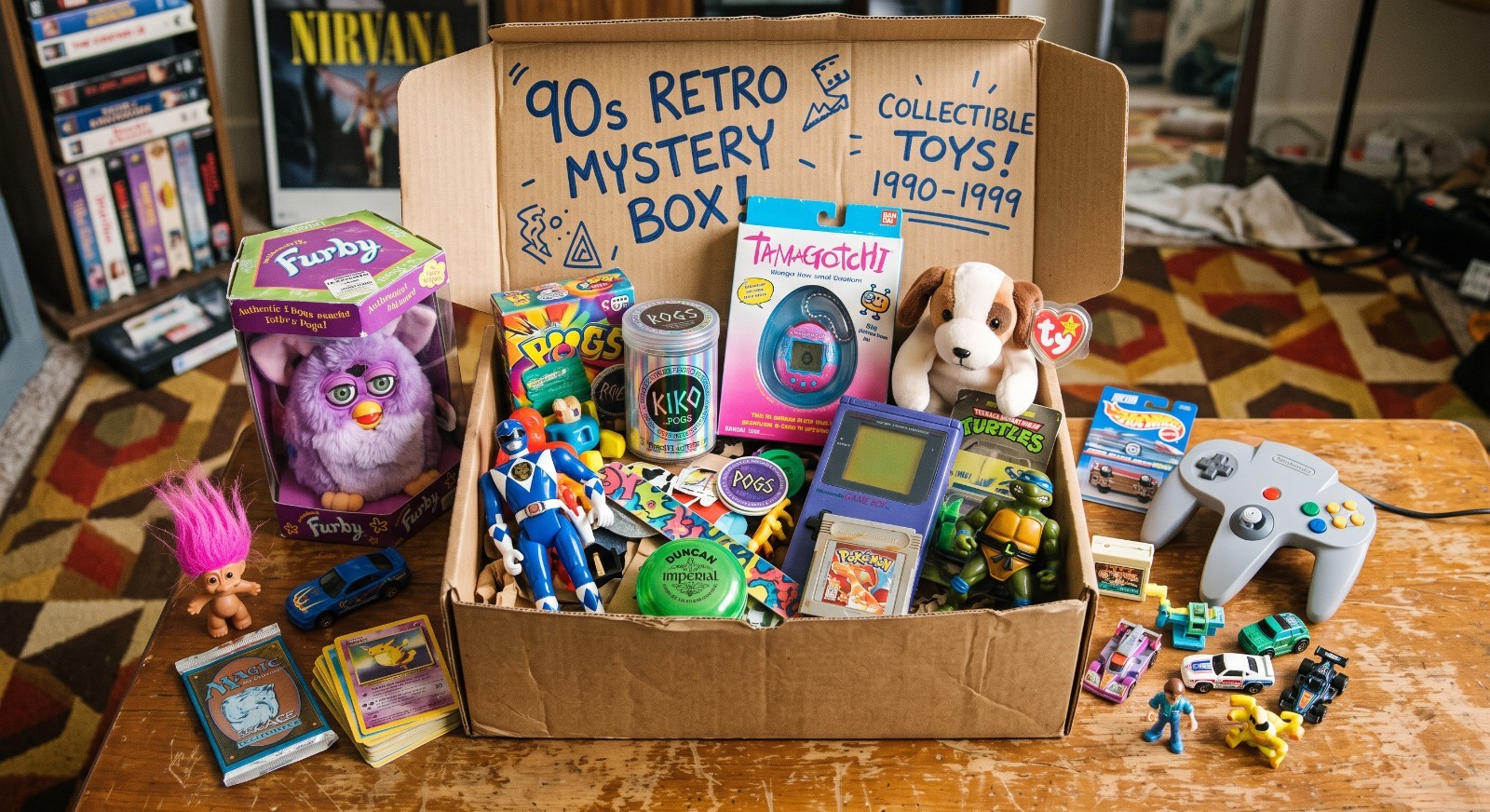

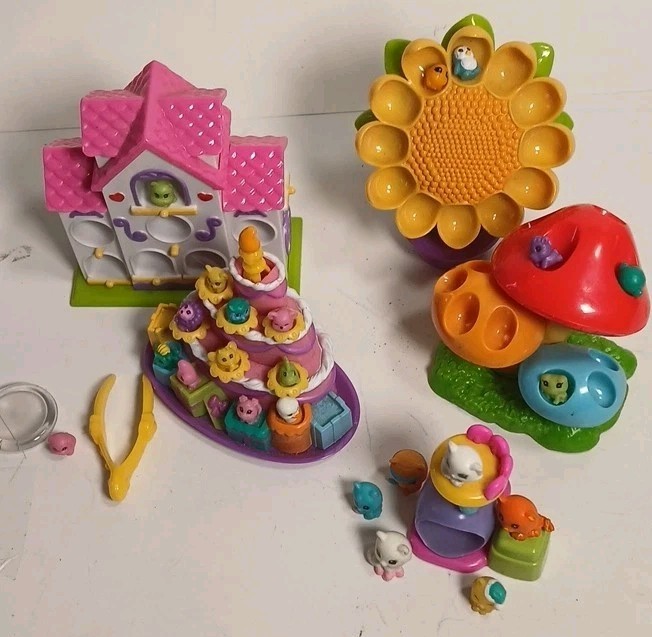

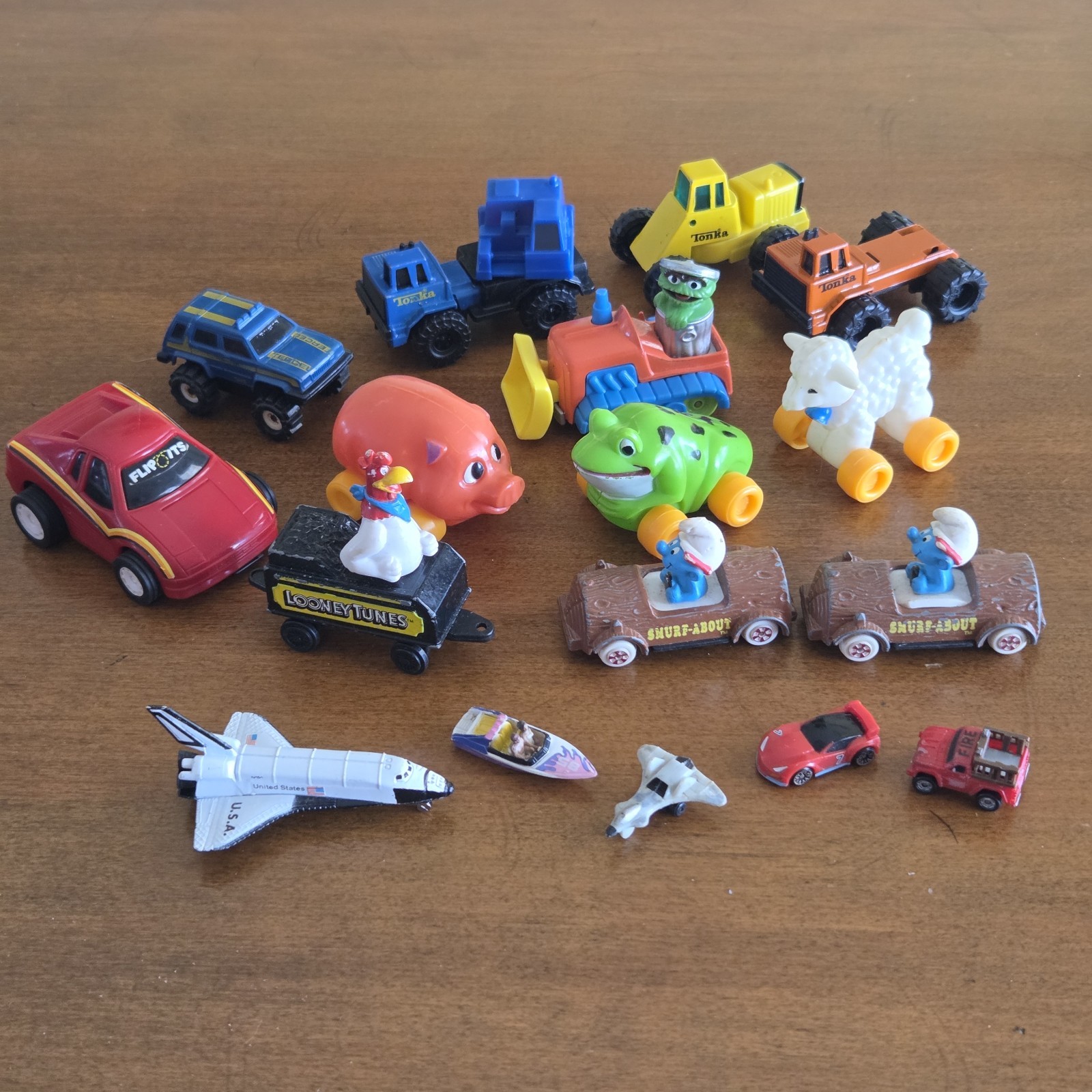
eBay links are affiliate links: JunkPal may earn a commission at no cost to you.
Resale values related to very good on card
Shop very good on card on eBay ↗

![Freddy Funko [Yoda] #SE (Freddy Funko)](https://storage.googleapis.com/images.pricecharting.com/n6mh2ox3t6yqc5wh/240.jpg)

![Boba Fett Droids [SDCC] #32 (Star Wars)](https://storage.googleapis.com/images.pricecharting.com/uezfpjpfhprk4g54/240.jpg)
![Freddy Funko Twisty [Bloody] #42 (Freddy Funko)](https://storage.googleapis.com/images.pricecharting.com/hyv7d5wuwybj77a3/240.jpg)
![Winnie The Pooh [Flocked] #32 (Disney)](https://storage.googleapis.com/images.pricecharting.com/oq4bri67qxzaisio/240.jpg)

JunkPal may earn a commission when you buy through eBay links, at no extra cost to you.
What’s worth the most
Ranked on medians of real closed eBay sales, not asking prices.