What does “variant packaging” mean?
What it means
Variant packaging refers to non-identical outer packaging applied to an otherwise identical toy product. The toy itself—the figure, vehicle, or accessory—remains the same. Variations occur in the graphic design of the box, the color palette used on the card back, the inclusion of specific promotional inserts (e.g., trading cards, stickers), or subtle changes in the plastic blister molding or card backing material. This is not a difference in the toy's contents or manufacturing quality, but solely in the presentation layer. For the collector market, this packaging difference is a recognized collectible feature.
What it does to price
Packaging variants directly influence perceived scarcity and, consequently, price. A standard release box serves as the baseline value. A verified, limited-run variant packaging can easily command a 1.5x to 4x premium over the standard version, provided the variant is documented as scarce. Minor color shifts or regional packaging changes might yield a 10-25% bump. Conversely, packaging errors, such as misprints or incorrect UPC codes, can sometimes lower value unless the error itself is highly sought after by specialized collectors. For example, a specific Japanese-exclusive box design might add $30-$75 to an otherwise common action figure.
How to spot it
Identification requires close inspection of all exterior surfaces. Key tells include specific UPC codes, unique text placement, different background artwork, or distinct plastic material textures. Sellers must provide high-resolution images of the entire packaging, including the back panel and any included inserts. Look for edition stamps, such as "Limited Edition" or specific production run numbers printed on the card or box seam. Common pitfalls include "re-boxed" items—where an old toy is placed in new packaging—which must be identified. Honest mistakes are often manufacturing oversights (e.g., a sticker placed slightly crooked), while true variants are intentional design changes.
Buying smart
Paying a premium for variant packaging is justified when the variant is confirmed to be a true, limited-production run and fills a specific gap in a known collection. If the variation is merely a regional distribution difference without documented scarcity, the premium is often unjustified. A fair deal involves the asking price being within 20% of the established secondary market average for that specific variant code. If the seller cannot provide verifiable proof of the variant's limited nature, the price should reflect the standard release value.
Selling smart
Listing must explicitly name the variant. Generic descriptions fail to capture the premium. The single most effective element in a listing is a clear, zoomed-in photo of the unique identifier—the specific graphic element, print error, or edition stamp that defines the variant. Using precise terminology (e.g., "Crimson Box Variant," not just "Red Box") immediately qualifies the listing to serious buyers, allowing the seller to command the maximum appropriate premium.
On eBay right now
Current asking prices from live listings — not sold-comp medians.

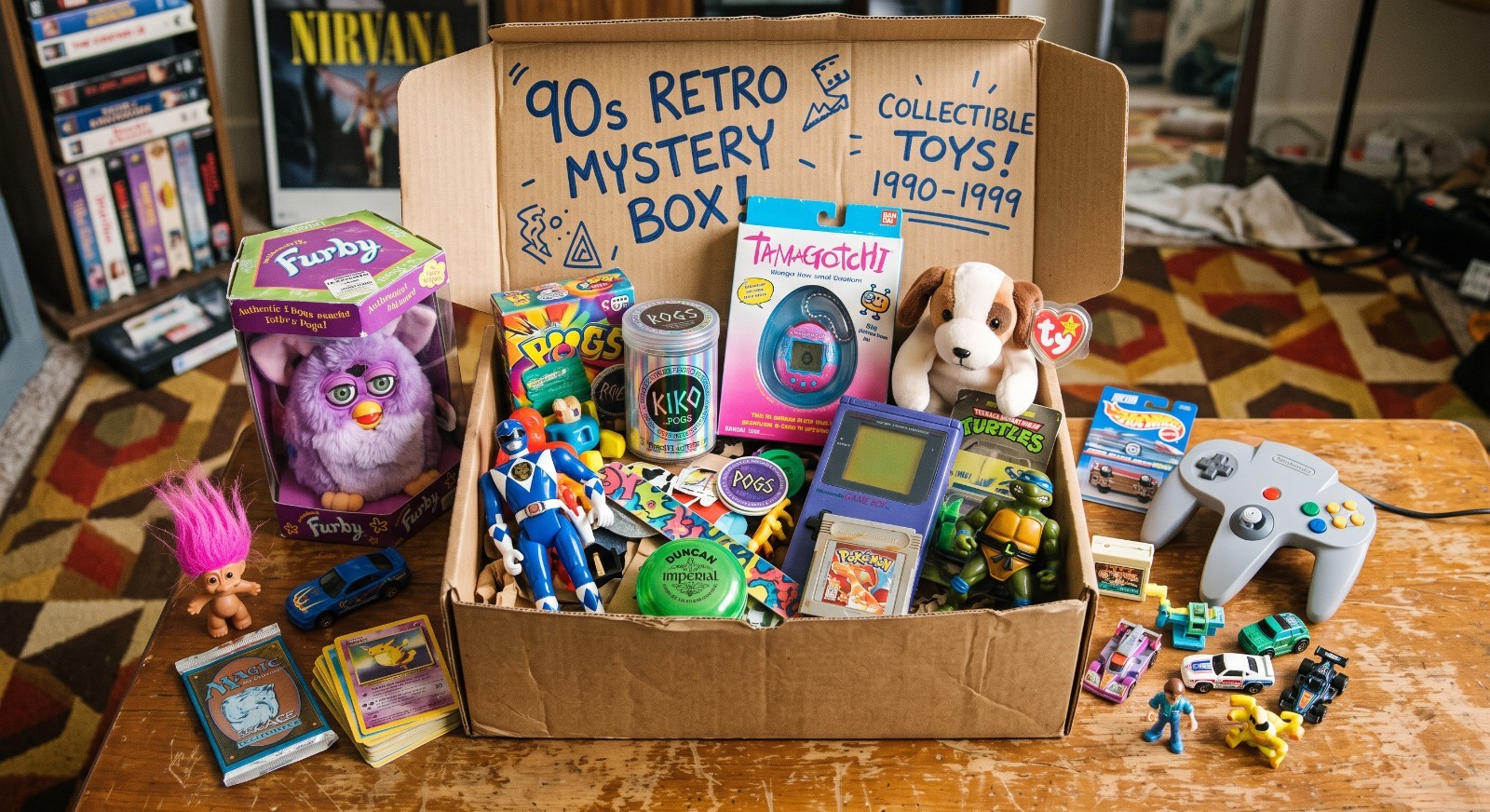

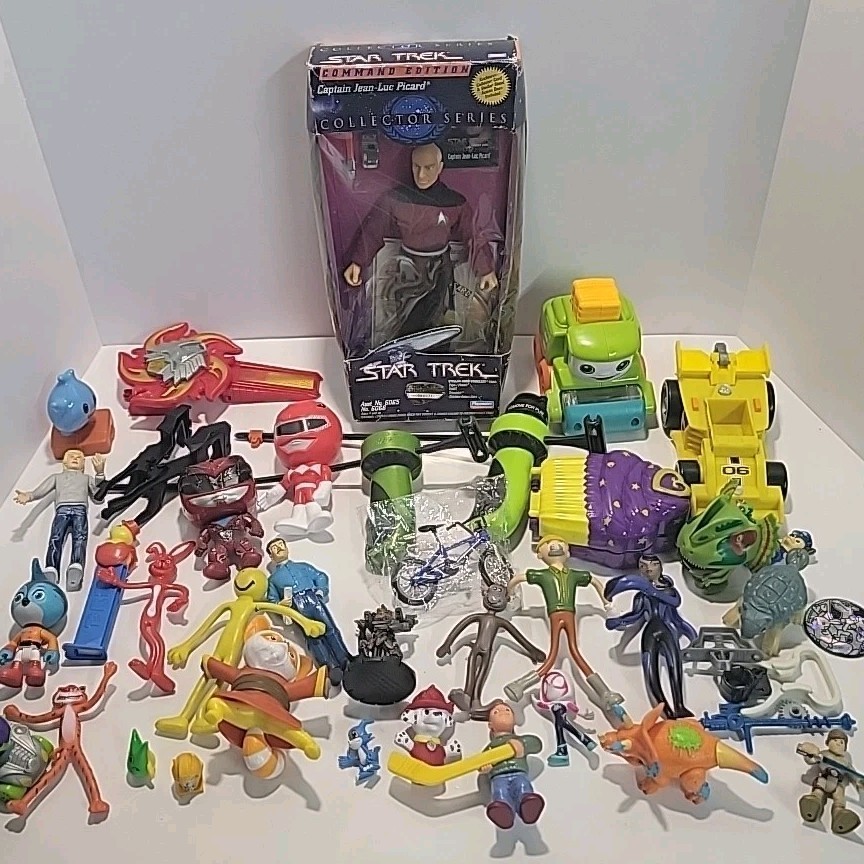


eBay links are affiliate links: JunkPal may earn a commission at no cost to you.
Resale values related to variant packaging
Shop variant packaging on eBay ↗![Mariachi Fluffy [Green Suit] #10 (Comedians)](https://storage.googleapis.com/images.pricecharting.com/f65ln7mpiljucdnq/240.jpg)

![Superman [Fall Convention] #7 (Heroes)](https://storage.googleapis.com/images.pricecharting.com/on42kf6znlybevnj/240.jpg)
![Freddy Funko As Genji [Black] #SE (Freddy Funko)](https://storage.googleapis.com/images.pricecharting.com/3umvkgdt7j4yimqh/240.jpg)
![Freddy Funko [SDCC] #50 (Freddy Funko)](https://storage.googleapis.com/images.pricecharting.com/corr6zsy6kfh2sa36ze2/240.jpg)
![Freddy Funko As John Cena [Translucent] #SE (Freddy Funko)](https://storage.googleapis.com/images.pricecharting.com/lyrdg4rrad7mwvm2/240.jpg)

![Zack Ryder [Green] #44 (Wwe)](https://storage.googleapis.com/images.pricecharting.com/4632whphey4nid3g/240.jpg)
JunkPal may earn a commission when you buy through eBay links, at no extra cost to you.
What’s worth the most
Ranked on medians of real closed eBay sales, not asking prices.