What does “variant figure” mean?
What it means
A variant figure is a distinct, non-standard iteration of a core toy figure within a series. It is not simply a repackaging; it involves a tangible change to the product itself. These changes range from minor cosmetic deviations—such as a slightly different shade of paint, a decal placement shift, or a specific accessory swap—to major production differences, like a completely altered sculpt or an early tooling version. In collecting terms, the variant is the specific identifier that separates one version from another. The mainstream equivalent is "product revision" or "colorway," but in the collecting niche, the term "variant" implies a recognized, cataloged difference that affects market value.
What it does to price
Variants introduce non-linear pricing structures. A standard, mass-produced figure sets the baseline value. A recognized, desirable variant can multiply that baseline value by 2x to 10x, depending on scarcity. Minor paint variations might add 10-30% to the price. However, known production errors (e.g., a specific decal missing or an incorrect color application) can create "error variants" that command extreme premiums, sometimes exceeding 500% of retail, provided the error is documented and verifiable. Conversely, common, unlisted variants that are simply later production runs might fetch only 10-20% more than the standard release. For example, a standard figure sells for \$20; a documented, scarce variant might sell for \$60.
How to spot it
Identification requires meticulous comparison. Key tells include mold numbers stamped on the interior packaging or the figure's base, specific UPC codes on the box, and unique paint application patterns. Sellers must provide high-resolution photos showing the figure from multiple angles, specifically focusing on areas known for variation (e.g., hand sculpts, chest insignia). Common honest mistakes include slight paint overspray or minor mold imperfections that are not intended variants. Fakes often replicate the *look* of a variant without the correct internal markings; always cross-reference known, authenticated reference photos for the specific variant code.
Buying smart
Paying a premium for a variant is justified when the difference is documented, verifiable, and represents a genuine scarcity—such as a limited-run promotional item or a known, low-volume production error. If the seller claims a variant status but cannot provide verifiable evidence (like a specific production code or comparison photos), the premium is unwarranted risk. A fair deal involves the asking price being within 20-30% of established secondary market data for that specific variant identifier. If the seller is vague, the deal is likely overpriced or fraudulent.
Selling smart
Proving the variant status in the listing is the single most effective action to maximize return. The listing title must explicitly name the variant (e.g., "Alpha Paint Variant - Rare"). The primary photo must clearly showcase the distinguishing feature—the specific paint error, the unique accessory, or the visible mold number—with a close-up macro shot. Adding a brief, factual description detailing *why* it is a variant (e.g., "Early Run - Blue Chest Detail") instantly elevates the item from a standard figure to a collectible artifact, justifying the higher price point.
On eBay right now
Current asking prices from live listings — not sold-comp medians.

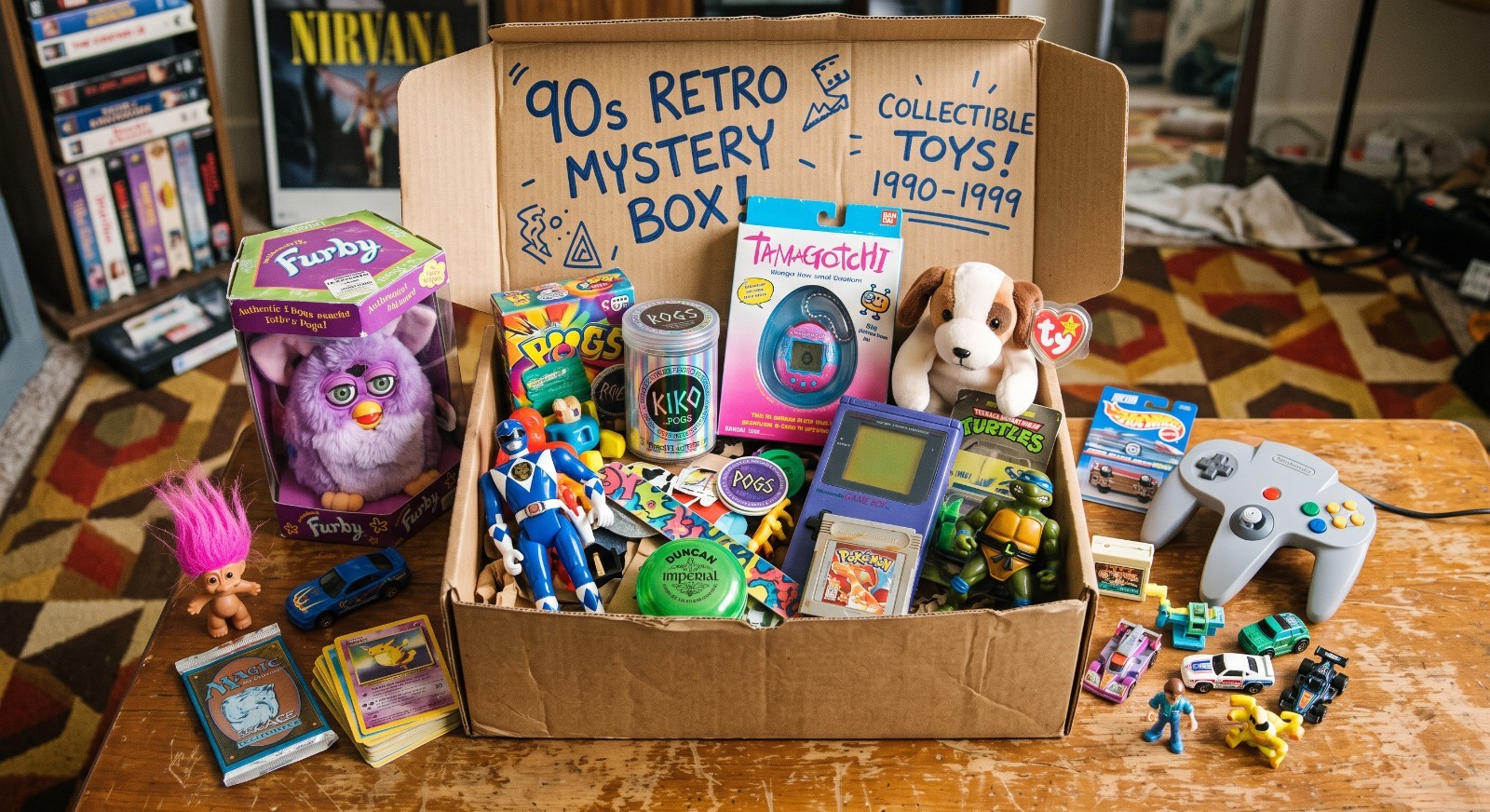

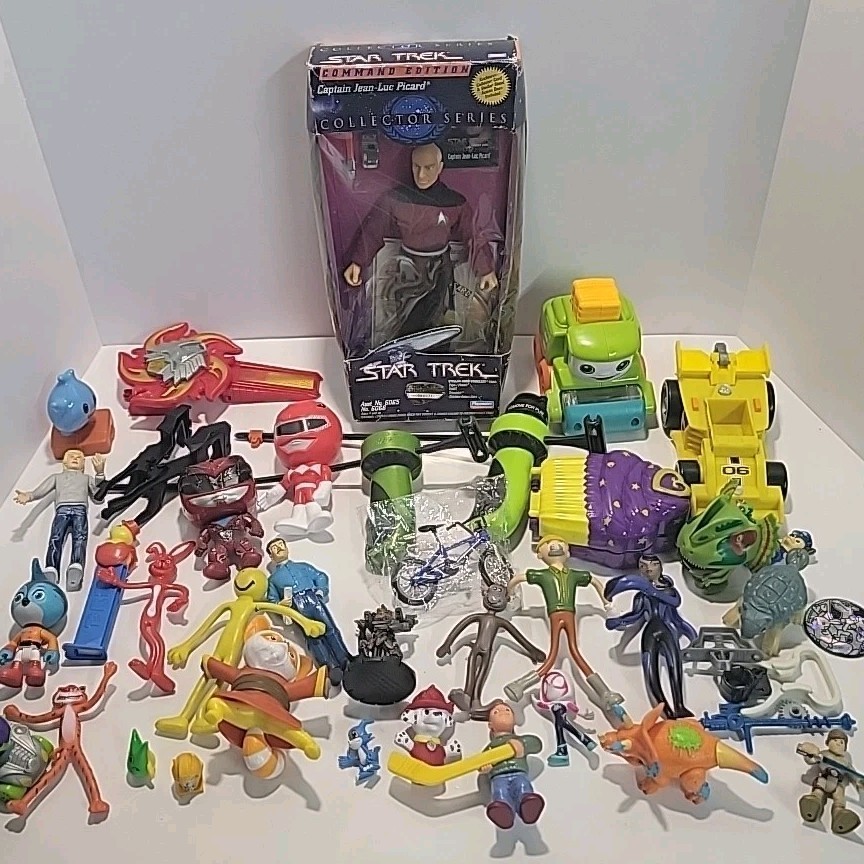


eBay links are affiliate links: JunkPal may earn a commission at no cost to you.
Resale values related to variant figure
Shop variant figure on eBay ↗![Freddy Funko As Genie [Metallic] #SE (Freddy Funko)](https://storage.googleapis.com/images.pricecharting.com/32qervu2u4imw2rx/240.jpg)


![Billy [GITD SDCC] #52 (Movies)](https://storage.googleapis.com/images.pricecharting.com/fa3pxsuhvgaziukq/240.jpg)
![Freddy Funko As Chuckie [Purple Reptar] #SE (Freddy Funko)](https://storage.googleapis.com/images.pricecharting.com/44ekoa3vkmi47z5t/240.jpg)
![Count Chocula [Metallic] #1 (Ad Icons)](https://storage.googleapis.com/images.pricecharting.com/5ikn7jxdbsheixqw/240.jpg)

![Rey Mysterio [Black Mask] #6 (Wwe)](https://storage.googleapis.com/images.pricecharting.com/rv3l34vrvdhecvrt/240.jpg)
JunkPal may earn a commission when you buy through eBay links, at no extra cost to you.
What’s worth the most
Ranked on medians of real closed eBay sales, not asking prices.