What does “unreleased toy” mean?
What it means
An unreleased toy is a manufactured item, or a high-fidelity prototype, that was conceived, tested, or publicly announced by a toy company but never made available for sale to the general consumer. This is distinct from canceled production runs, which are items that were officially slated for release but stopped mid-stream. Unreleased items exist in a pre-market state. The value is driven by scarcity and historical context—what the item *would have been*. It is not merely a rare toy; it is a piece of corporate history.
What it does to price
Unreleased items carry a significant premium over their mass-market counterparts. A confirmed, high-quality prototype (e.g., a master mold sample) can fetch 5x to 20x the value of the final retail version, depending on the brand's desirability. An officially leaked, but never-released, production sample might see a 3x to 8x multiplier. Factors pushing the price up include verifiable provenance (proof of origin) and condition (mint, untouched). A major down-pusher is ambiguity; if the item is merely a fan-made mockup or concept sketch without factory backing, the multiplier drops to 1.1x–2x. For example, a known, unreleased variant of a popular action figure could easily sell for $400 when the released version sells for $50.
How to spot it
The tells are usually related to production artifacts. Look for internal markings, test codes, or early tooling marks that differ from final retail packaging. Prototypes often lack final paint applications or feature visible assembly seams not present in the final product. Sellers must provide high-resolution photos of the underside, packaging inserts (if applicable), and any visible serial or batch codes. Common fakes involve "bootlegs" that mimic early designs but use incorrect plastic densities or mismatched paint batches. An honest mistake is confusing a pre-production sample with a final, limited-edition run item.
Buying smart
Paying a premium is justified when the item has verifiable provenance tied to a known, reputable manufacturer or industry insider. If the item is merely rumored or sourced from an anonymous private seller with no documentation, the risk outweighs the potential reward; the premium is likely inflated by speculation. A fair deal requires the asking price to be within 20% of established auction estimates for similar, documented pieces. If the seller cannot provide clear documentation showing the item was part of an official R&D pipeline, the premium should be heavily discounted.
Selling smart
Proving the item’s status as "unreleased" is the primary value driver. This is achieved not just by stating it, but by providing visual evidence. The single most valuable asset in a listing is a clear photograph of any internal manufacturing stamp or a documented comparison to known concept art. The word "Prototype" or "Pre-Production Sample" used in the title, backed by documentation, shifts the item from a "rare collectible" to a "museum-grade artifact," allowing the seller to command the highest tier of pricing.
On eBay right now
Current asking prices from live listings — not sold-comp medians.

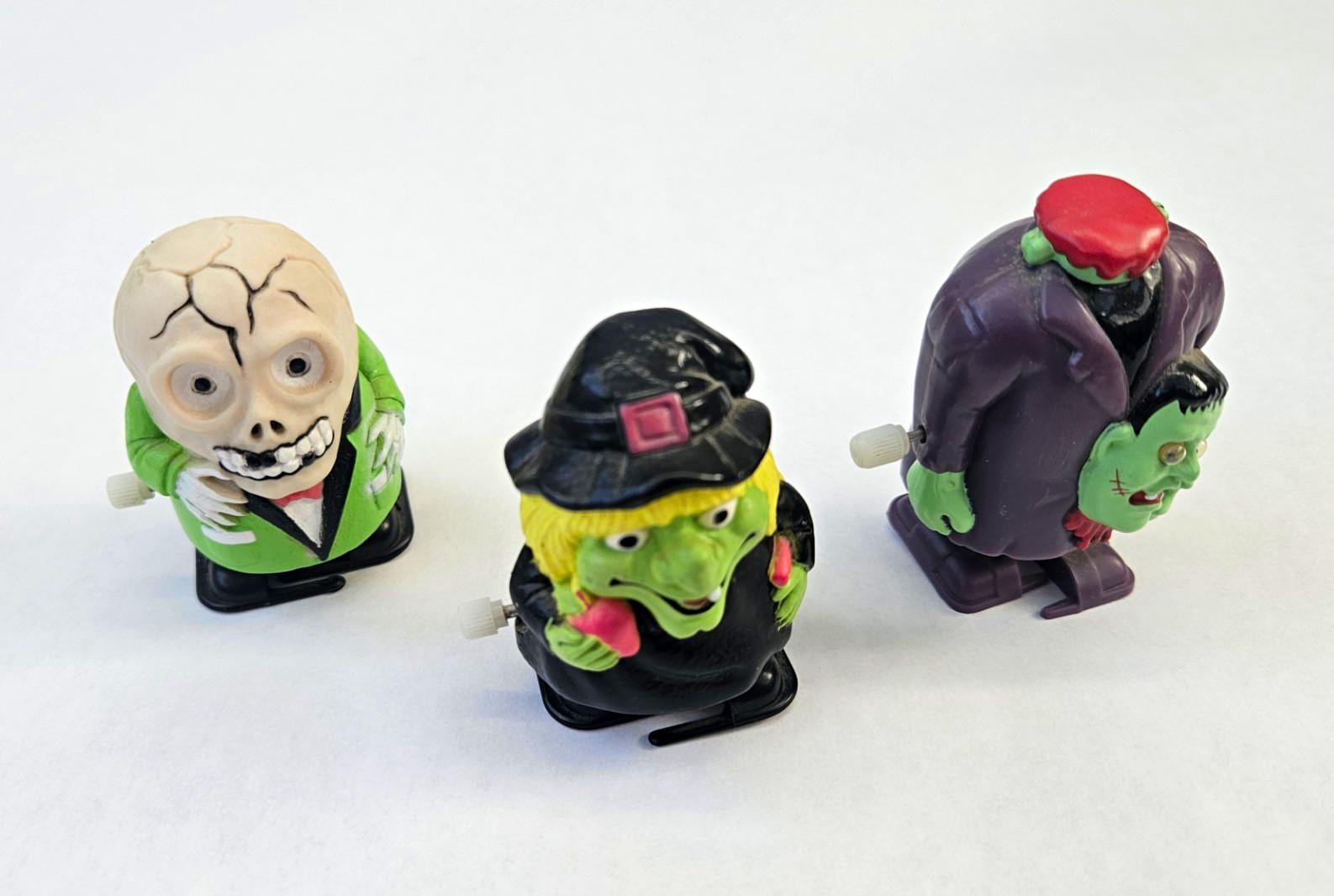
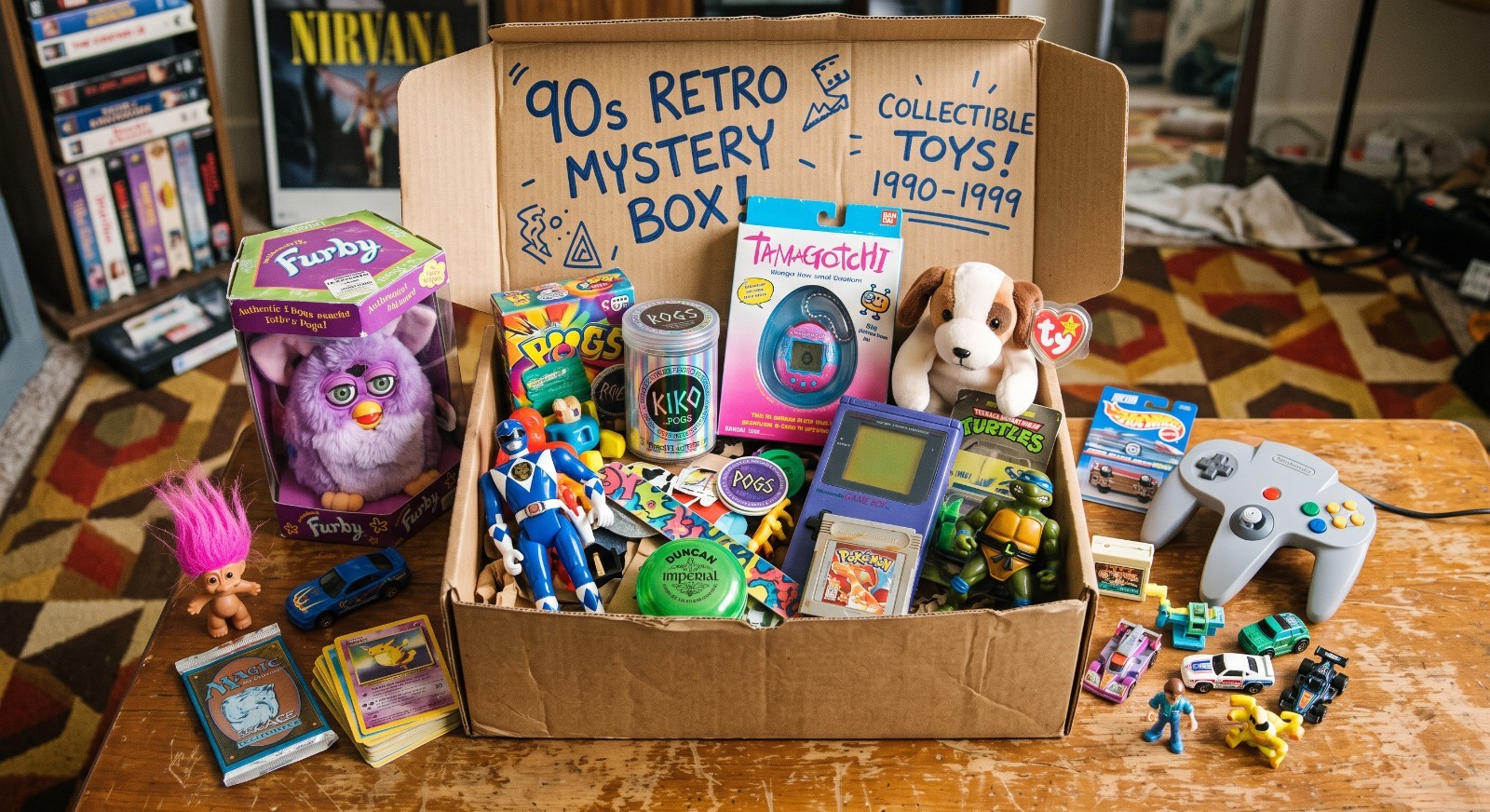


eBay links are affiliate links: JunkPal may earn a commission at no cost to you.
Resale values related to unreleased toy
Shop unreleased toy on eBay ↗![Spider-Man Symbiote Suit [CCXP25] #1501 (Marvel)](https://storage.googleapis.com/images.pricecharting.com/qxyce6vmnh56kg7p/240.jpg)


![Steamboat Willie [Metallic] #24 (Disney)](https://storage.googleapis.com/images.pricecharting.com/hlps6mpfanteux77/240.jpg)
![Jollibee [Golden Jollibee] #30 (Ad Icons)](https://storage.googleapis.com/images.pricecharting.com/mvtqcy3kcauyxigf/240.jpg)

JunkPal may earn a commission when you buy through eBay links, at no extra cost to you.
What’s worth the most
Ranked on medians of real closed eBay sales, not asking prices.