What does “toy window” mean?
What it means
"Toy window" refers to the transparent outer casing—plastic blister or cardboard window—that seals a collectible toy in its original packaging. This is distinct from the internal packaging or the toy itself. In the collecting niche, this casing is often referred to as the "box window" or "blister pack." The window's integrity is a direct proxy for the item's overall condition and display quality. A complete, undamaged window is synonymous with "Mint in Box" (MIB) or "Complete in Box" (CIB) status.
What it does to price
The presence of an intact, clear window provides a significant valuation multiplier. A toy in pristine, bubble-free window condition typically fetches 1.5x to 3x the price of the same toy loose (out of box). Minor window imperfections, such as light surface scuffs or minor edge creases, can reduce value by 10% to 25%. Major damage—cracks, deep yellowing, or significant tears—can drop the value by 50% or more, sometimes rendering it unsellable to high-end collectors. For example, a rare action figure in a perfect window might sell for $150, whereas the same figure loose might only achieve $60.
How to spot it
Inspection requires bright, direct light. Look for stress fractures along the plastic edges, which indicate pressure points or poor manufacturing. Yellowing is often due to UV exposure or chemical degradation of the plastic over decades. Sellers should provide high-resolution, close-up photos of the window edges, not just the front face. Common issues include "bubble pops" (small air bubbles trapped under the plastic) and seal separation at the seams. Fakes or reproductions often use lower-grade plastic that yellows rapidly or exhibits inconsistent clarity compared to original factory seals.
Buying smart
Paying a premium for a toy in window condition is justified when the item is rare, highly sought after, or part of a complete, high-value set. If the item is common or has low aftermarket demand, the premium rarely justifies the cost. A fair deal involves the window being structurally sound with minimal cosmetic flaws. If the window is damaged but the toy inside is perfect, negotiate a price that reflects the diminished presentation value, perhaps 20-30% below the MIB asking price.
Selling smart
Proof of window condition dictates the tier of buyer interest. Listing the item as "MIB" or "CIB" when the window is perfect commands the highest price bracket. The single most effective element in a listing is a sharp, well-lit photograph showing the entire window surface clearly, often taken at an angle that highlights the transparency. Describing the window specifically—e.g., "Window is clear, no cracks, minor shelf wear only"—manages expectations and prevents returns based on undisclosed damage.
On eBay right now
Current asking prices from live listings — not sold-comp medians.

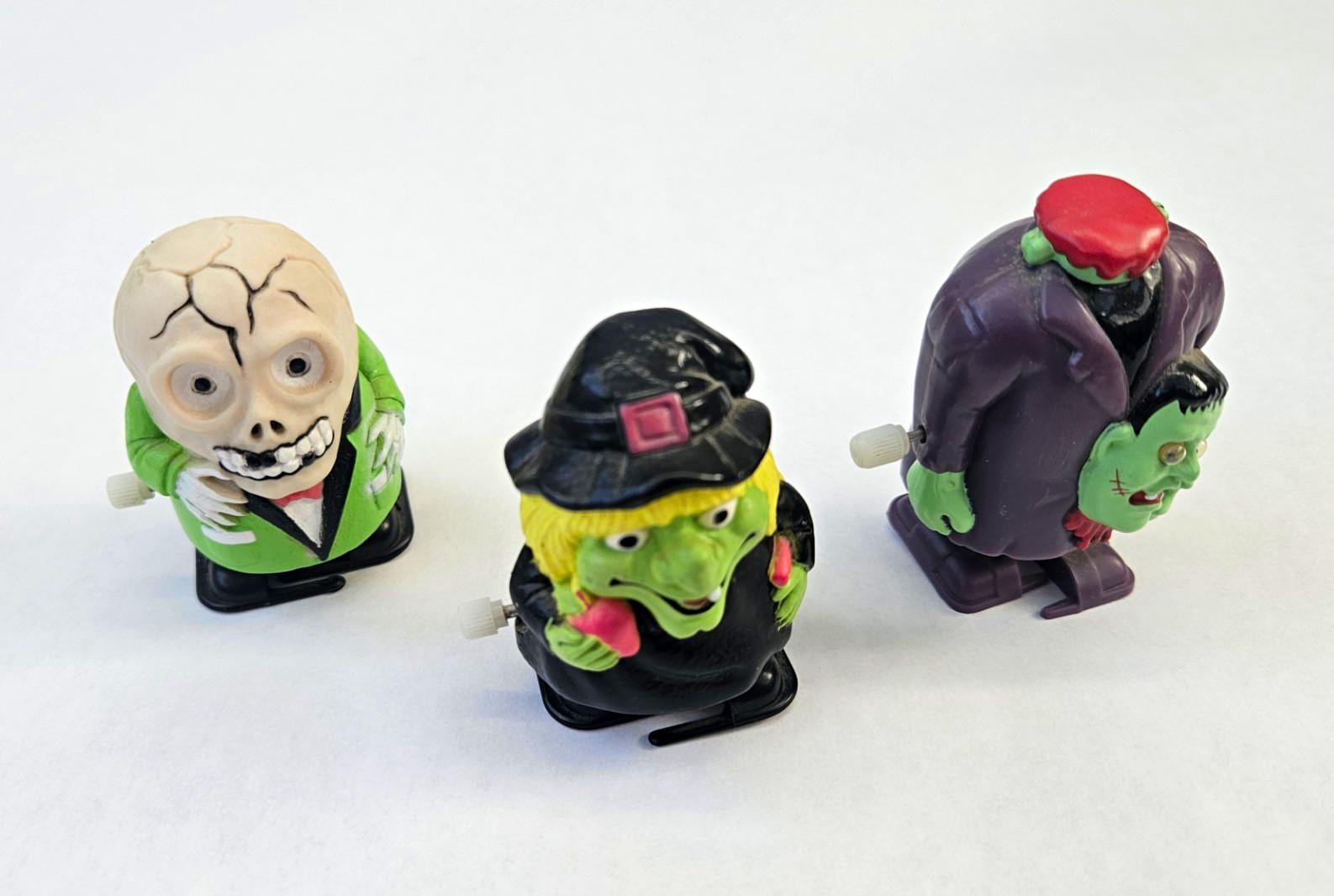
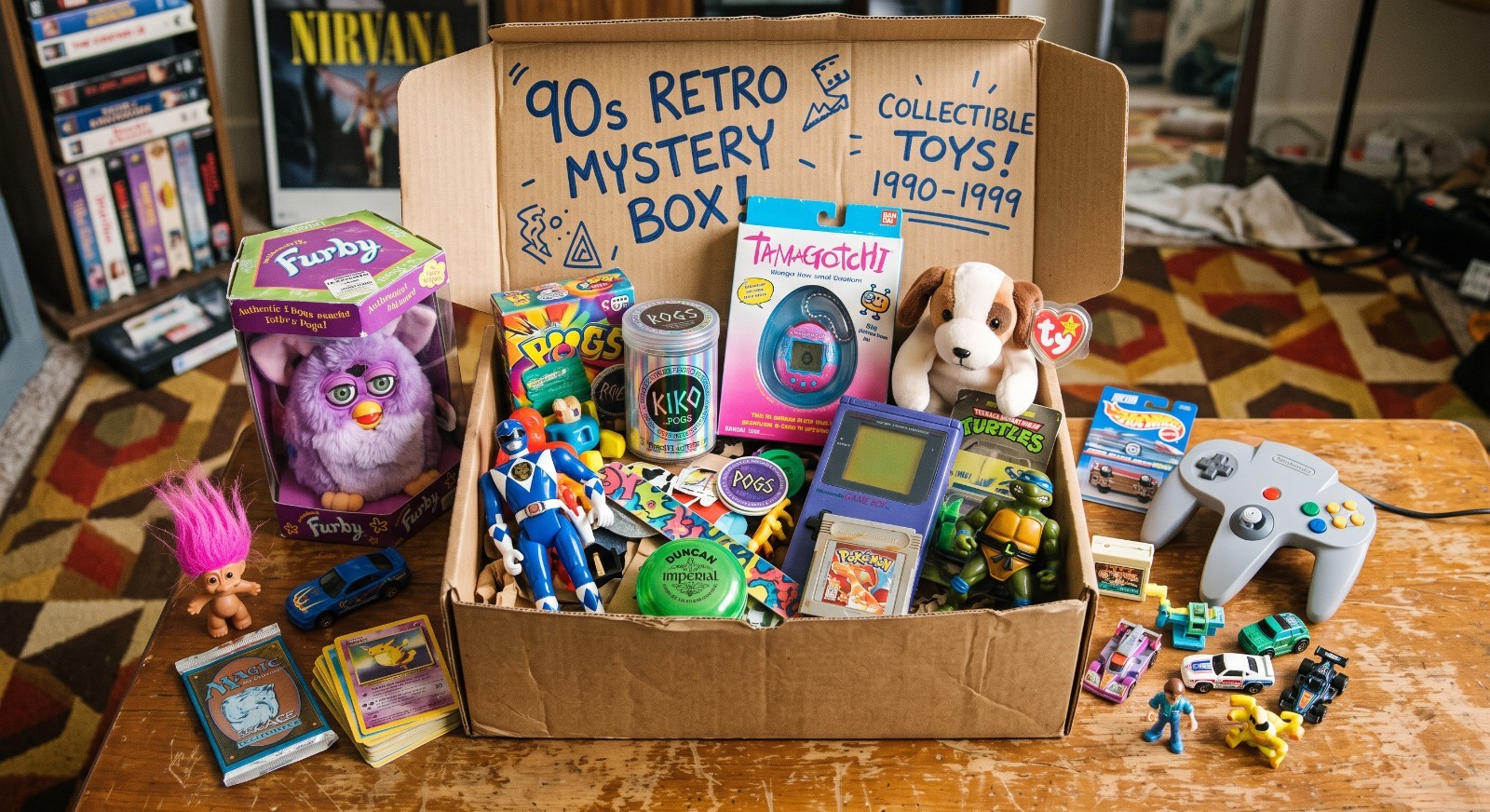


eBay links are affiliate links: JunkPal may earn a commission at no cost to you.
Resale values related to toy window
Shop toy window on eBay ↗![Batmobile [Gold] #1 (Rides)](https://storage.googleapis.com/images.pricecharting.com/v5jaiukj7w4uwzip/240.jpg)
![Freddy Flux [Quantum] #SE (Freddy Funko)](https://storage.googleapis.com/images.pricecharting.com/3534kgu5f4wlntiw/240.jpg)
![Wonder Woman [Fall Convention] #8 (Heroes)](https://storage.googleapis.com/images.pricecharting.com/vkec245furt5qaji/240.jpg)

![Freddy Funko As Big Boy [SDCC 24] #SE (Freddy Funko)](https://storage.googleapis.com/images.pricecharting.com/h7r3bnvwbql4lfos/240.jpg)
![Walter White [GITD] #160 (Television)](https://storage.googleapis.com/images.pricecharting.com/dean76kummr6jftu/240.jpg)
JunkPal may earn a commission when you buy through eBay links, at no extra cost to you.
What’s worth the most
Ranked on medians of real closed eBay sales, not asking prices.