What does “toy vintage” mean?
What it means
"Toy vintage" is a broad classification for toys manufactured before the late 1980s, though the true collector market focuses heavily on pre-1970s items. This term is the general category for anything that is not modern or contemporary. It is not a specific age; rather, it denotes historical context. The niche value lies in the era of manufacture, which implies design history, material science of the time, and cultural relevance. It is the general term for "antique toy" or "retro toy," but "vintage" specifically implies functional, collectible items rather than purely decorative antiques.
What it does to price
Age is the primary driver, but condition is the multiplier. A complete, mint-in-box (CIB) example of a desirable 1950s piece can fetch 2x to 5x the price of the same piece loose and played with. Minor playwear reduces value by 15-30%. Major damage (missing limbs, heavy paint loss) can reduce value by 50% or more. For example, a rare, complete 1960s action figure might sell for $150; the same figure missing its original box and having visible seam stress might only sell for $50-$75. Authenticity is critical; a convincing modern reproduction can sell for 10-25% of the genuine item's value.
How to spot it
Verification requires examining production details. Look for specific mold markings, copyright dates stamped on the base, or specific paint application methods unique to the manufacturing period. For older items, check the plastic or metal composition; early plastics often have a different sheen or feel than modern PVC. Sellers must provide high-resolution photos of the underside, joints, and any visible factory stamps. Common mistakes include confusing a later re-release (which is not "vintage" in the strict sense) with the original production run. Fakes often have overly sharp, modern paint lines or incorrect packaging typography.
Buying smart
Paying a premium is justified when the toy is rare, culturally significant, or in near-perfect condition. If a piece is common (e.g., a standard 1980s character figure), the premium for "vintage" is minimal unless it is CIB. Avoid purchasing based solely on the "vintage" label if the item is heavily damaged or lacks verifiable provenance. A fair deal involves a price that reflects the rarity *and* the current condition grade. If the seller cannot provide documentation or clear photos confirming the manufacturing year, the price should be discounted by at least 20% to account for verification risk.
Selling smart
Listing must immediately establish the item's era and condition. Use specific dates or decades rather than just "vintage." Highlighting original packaging, instruction manuals, or factory seals justifies a significant premium. The single most valuable element in a listing is a clear, close-up photograph of the item's base or tag, showing the manufacturer's copyright date. This single photo shifts the listing from "old toy" to "verified collectible," allowing the seller to command the top tier of market pricing.
On eBay right now
Current asking prices from live listings — not sold-comp medians.
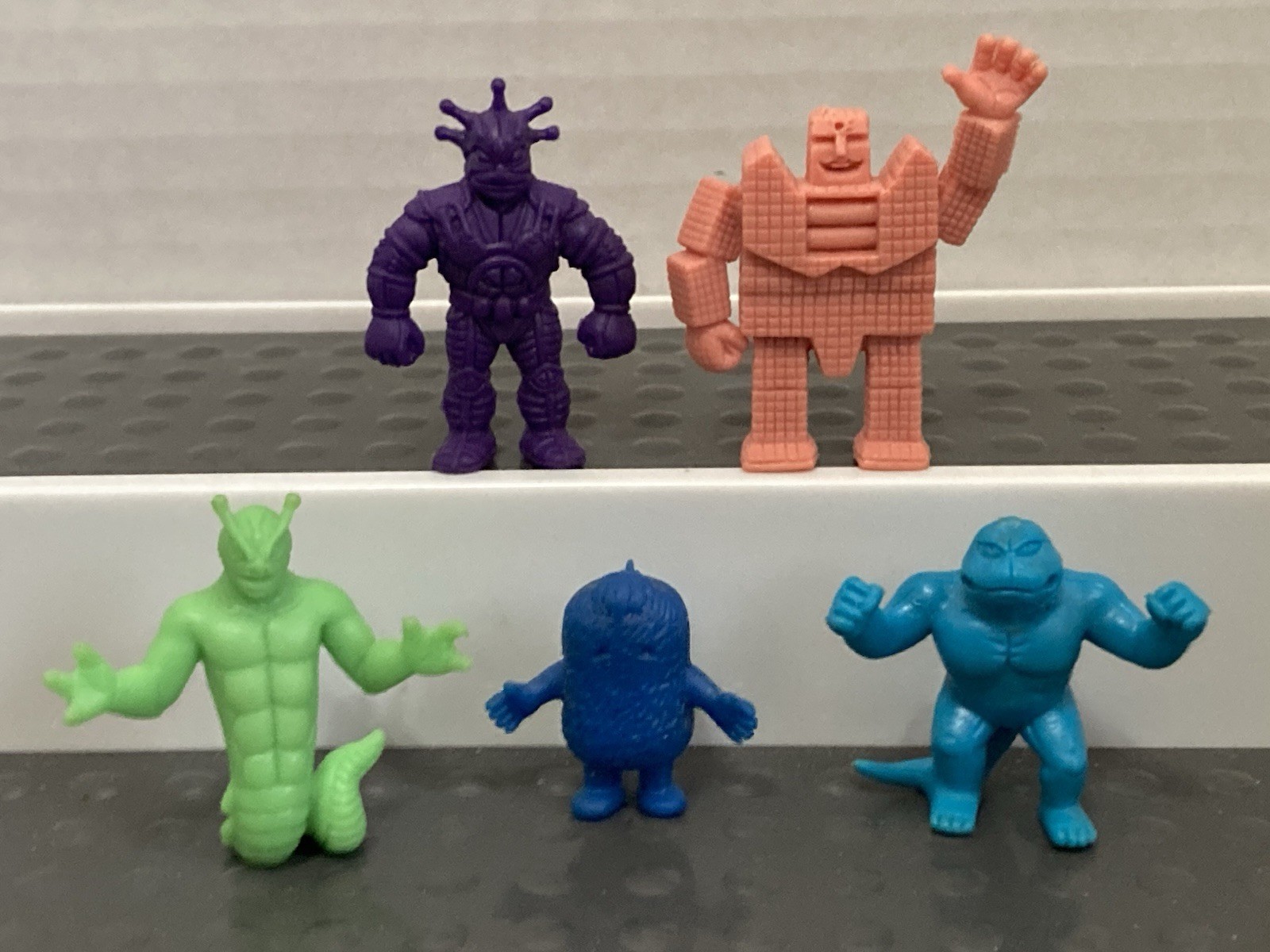


eBay links are affiliate links: JunkPal may earn a commission at no cost to you.
Resale values related to toy vintage
Shop toy vintage on eBay ↗![Murloc [Green, GITD] #33 (Games)](https://storage.googleapis.com/images.pricecharting.com/b4gnqe4yood3rou5/240.jpg)
![Superman [NYCC] #7 (Heroes)](https://storage.googleapis.com/images.pricecharting.com/y6y54wdnsavjfaik/240.jpg)


![Genya Shinazugawa [Demon Form] #1851 (Animation)](https://storage.googleapis.com/images.pricecharting.com/2e2asqm3eaxpf54a/240.jpg)
![Count Chocula [Metallic] #1 (Ad Icons)](https://storage.googleapis.com/images.pricecharting.com/5ikn7jxdbsheixqw/240.jpg)
JunkPal may earn a commission when you buy through eBay links, at no extra cost to you.
What’s worth the most
Ranked on medians of real closed eBay sales, not asking prices.