What does “toy variant search” mean?
What it means
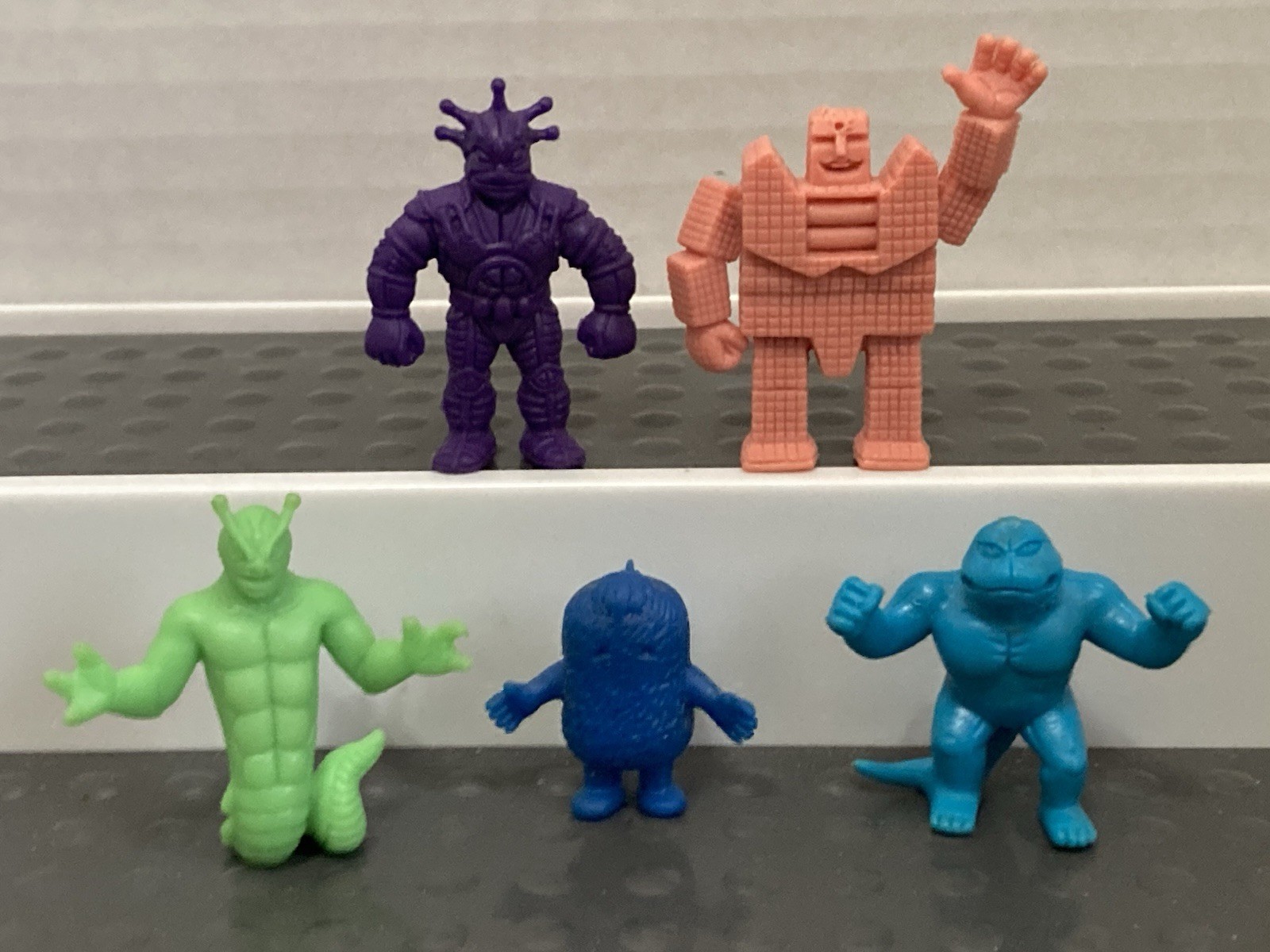
Toy variant search is the detailed process of identifying subtle, often undocumented, differences between items that appear identical at a glance. These differences are not cosmetic flaws; they are production markers. Examples include slight variations in plastic hue (e.g., "milky white" versus "opaque white"), specific mold tooling changes visible on joint seams, regional packaging artwork, or shifts in accessory inclusion across production runs. The mainstream equivalent is detailed condition grading, but variant searching focuses on *identity* rather than just *condition*. Collectors track these because a specific variant often represents a limited production window or a targeted market release.
What it does to price
Variants create non-linear value shifts. A known, desirable variant can multiply value significantly. For instance, a specific early-run paint application might cause a standard loose figure to fetch 2x to 5x the price of a later, corrected production run. Conversely, an unlisted, undesirable variant (like a known mold error) can depress value by 20-40%. If a standard figure sells for \$50, a confirmed, sought-after variant could command \$150–\$250. The presence of a documented variant transforms the item from a commodity to a specific collectible piece.
How to spot it
Identification relies on forensic comparison. Key tells include microscopic examination of paint application consistency, checking for specific copyright dates printed on the base, and scrutinizing mold lines for tooling changes. Sellers must provide high-resolution, well-lit photos of specific areas—joints, markings, and packaging seams—not just glamour shots. Common pitfalls involve mistaking simple wear and tear for a true production variant, or accepting a "re-issue" as a "first run" variant. Always cross-reference against known variant databases or established collector guides before assuming a difference is significant.
Buying smart
Paying a premium for a variant is justified only when the variant is documented as being rare or highly desired by the collecting community. If the difference is minor (e.g., a slight sticker placement change) and the market consensus is low, the premium is speculative risk. A fair deal involves the seller providing clear, verifiable proof of the variant status. If the seller claims a rare variant but cannot provide comparative photos or reference numbers, the price should be discounted to reflect the risk of misidentification.
Selling smart
Proving the variant status is the primary driver of premium pricing. Listing descriptions must be specific: "Variant A, Early Run, Blue Tint." The single most effective element is a close-up photograph highlighting the specific tell—the unique paint shade, the specific mold mark, or the unique sticker placement. A single, unambiguous photo confirming the variant status moves the item from a standard listing to a specialized, high-value listing, often commanding a 1.5x to 3x increase over a generic listing of the same item.
On eBay right now
Current asking prices from live listings — not sold-comp medians.


eBay links are affiliate links: JunkPal may earn a commission at no cost to you.
Resale values related to toy variant search
Shop toy variant search on eBay ↗
![Boo Berry [SDCC] #3 (Ad Icons)](https://storage.googleapis.com/images.pricecharting.com/lupnikjhlcyagzyx/240.jpg)
![Freddy Funko [SDCC Blue Ranger] #SE (Freddy Funko)](https://storage.googleapis.com/images.pricecharting.com/rzfe2c2kkvudftqr/240.jpg)
![Freddy Funko As The Penguin [Blacklight] #SE (Freddy Funko)](https://storage.googleapis.com/images.pricecharting.com/ceifka7n5bbqray5/240.jpg)
![Freddy Funko Cuphead Devil [Black] #SE (Freddy Funko)](https://storage.googleapis.com/images.pricecharting.com/dngudqjbmg24rgx5/240.jpg)

![Vegeta [Blue Chrome] #154 (Animation)](https://storage.googleapis.com/images.pricecharting.com/ibapqbyptiwvln2y/240.jpg)
![Freddy Funko Daryl Dixon [Bloody] #32 (Freddy Funko)](https://storage.googleapis.com/images.pricecharting.com/mnl6xud7pvpdd6zo/240.jpg)
JunkPal may earn a commission when you buy through eBay links, at no extra cost to you.
What’s worth the most
Ranked on medians of real closed eBay sales, not asking prices.