What does “toy variant” mean?
What it means
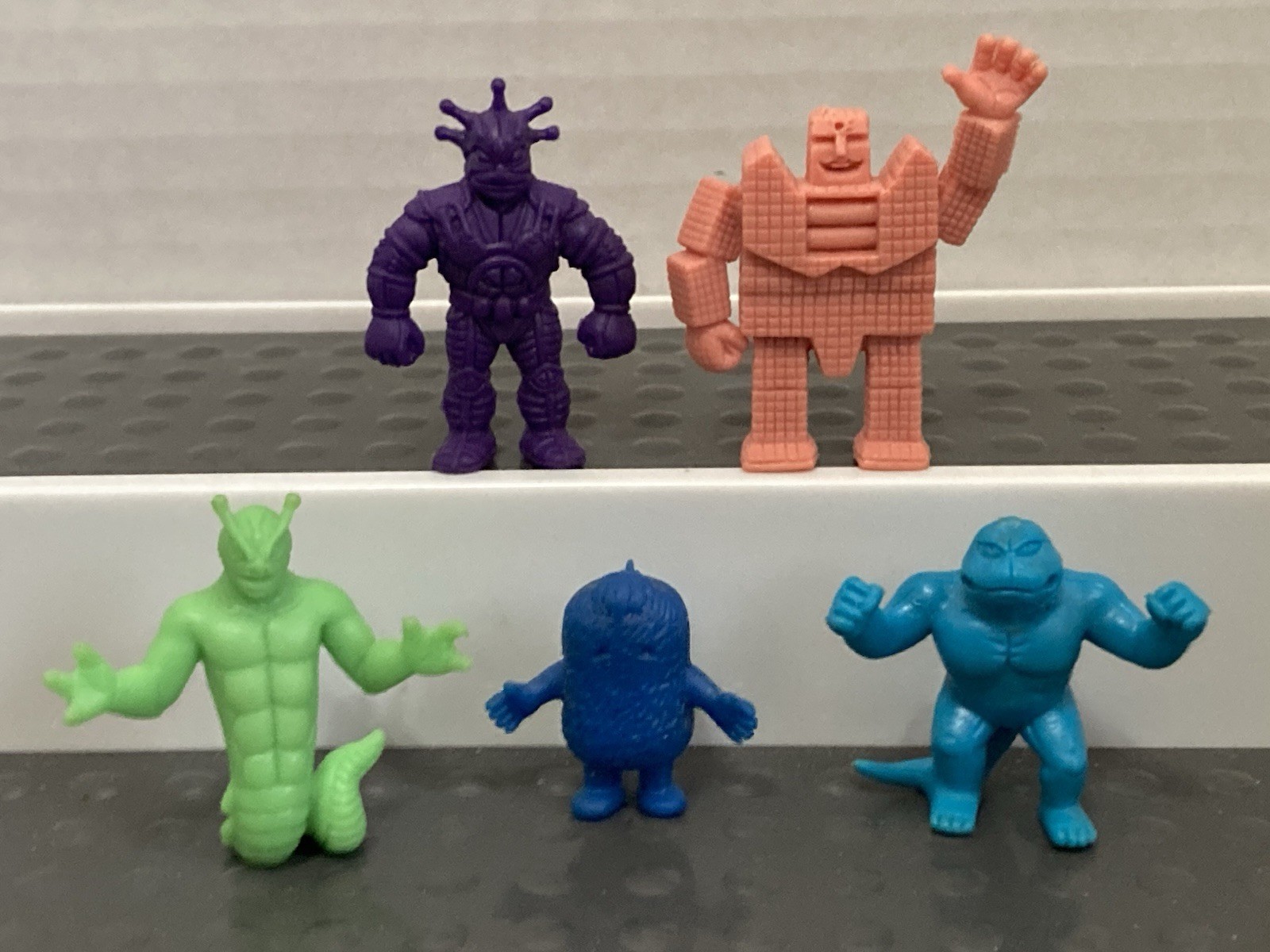
A toy variant is a distinct, traceable deviation from the standard production model within a specific toy line. This is not merely a minor aesthetic difference; it signifies a separate production batch or market release. Variations cover material changes (e.g., paint application, plastic composition), tooling updates (mold revisions), packaging differences (e.g., UPC changes, specific card art), or regional exclusives. The mainstream equivalent is a "version difference," but in collecting, "variant" implies a documented, collectible distinction that affects scarcity.
What it does to price
The impact on price is directly proportional to scarcity and desirability. A minor color shift (e.g., "clear vs. opaque" plastic) might yield a 1.2x to 1.5x premium over the standard release. A confirmed regional exclusive or a significant mold revision (often marked by a specific part change) can easily push value 3x to 5x the standard retail price, especially if the variant is retired. Conversely, an unconfirmed or common production error (a "mistake variant") often depresses value unless the error is highly sought after by specific sub-groups.
How to spot it
Identification requires forensic detail. Check for subtle changes in stamping on the base or internal packaging. Paint application consistency is key; slight variations in decal placement or paint thickness are tells. For packaging, examine the printing registration—misaligned text or color banding often denotes a specific run. Always request high-resolution photos of the specific area in question, such as the back of the card or the underside of the figure. Common mistakes include mislabeling or shipping errors, which are usually not considered valuable variants unless they are documented errors.
Buying smart
Paying a premium for a variant is justified when the variant is documented as rare, limited-run, or holds strong historical significance within the line. If the difference is purely aesthetic and not tied to a known production change, the premium is likely inflated. A fair deal means the listed premium matches the documented scarcity level. If a seller claims a rare variant but cannot provide verifiable evidence (photos, box markings) to support the claim, the price is too high.
Selling smart
Proving the variant status is the primary driver of premium pricing. A listing must explicitly state the variant type (e.g., "Japan Exclusive," "Mold Revision B," "Crimson Paint Variant"). The single most effective element is a clear, close-up photo focusing *only* on the distinguishing mark—the unique sticker, the specific mold line, or the unique packaging text. This evidence moves the item from a general listing to a specialized, high-value collectible entry.
On eBay right now
Current asking prices from live listings — not sold-comp medians.


eBay links are affiliate links: JunkPal may earn a commission at no cost to you.
Resale values related to toy variant
Shop toy variant on eBay ↗![Gizmo [Flocked] #4 (Movies)](https://storage.googleapis.com/images.pricecharting.com/ppliumnvbzjs6pxm/240.jpg)



![Freddy Funko As Shipwreck [GITD] #SE (Freddy Funko)](https://storage.googleapis.com/images.pricecharting.com/djflr6rhgusz3nxw/240.jpg)

![Hal Jordan [Metallic] #11 (Heroes)](https://storage.googleapis.com/images.pricecharting.com/hm4emmbdbgonp2ep/240.jpg)
JunkPal may earn a commission when you buy through eBay links, at no extra cost to you.
What’s worth the most
Ranked on medians of real closed eBay sales, not asking prices.