What does “toy trading” mean?
What it means
Toy trading is the formalized exchange of collectible toys. It spans casual peer-to-peer swaps to high-volume commercial resale. For the collector/reseller, it is the entire market infrastructure. The core concept is value derivation: a toy's worth is not fixed by its MSRP but by scarcity, condition, and collector demand. Niche trading, such as vintage action figure collecting, operates on specialized demand curves. Mass-market toys trade on volume and recent hype cycles. Understanding this ecosystem dictates acquisition and divestment strategy.
What it does to price
Condition is the primary multiplier. A toy in Mint-in-Box (MIB) or Complete in Box (CIB) condition typically commands a 1.5x to 3x premium over a loose, played-with version. Minor flaws (scratches, paint chips) can reduce value by 15-30%. Rarity acts as a ceiling multiplier; a known production error or limited edition run can multiply value by 5x or more. Conversely, common, mass-produced items with minor wear sell near retail cost or below. Example: A common, loose 1990s vehicle might sell for $10; the same vehicle CIB, with verifiable packaging integrity, could fetch $25-$30.
How to spot it
Authenticity checks are crucial. For vintage items, look for specific production markings, copyright dates, and mold variations that indicate an early or late run. Packaging integrity is key; check for print registration errors or glue seepage on boxes. Common pitfalls include "re-boxings"—items placed in new boxes after being previously opened—which drastically reduce value. Always request high-resolution photos of the item's back/bottom (for copyright/part numbers) and the packaging seals. Be wary of listings that lack clear, detailed photography.
Buying smart
Premium pricing is justified when the item fills a specific, documented gap in a known collection, or when the item is demonstrably rare and in near-perfect condition. Paying a premium for a "loose" item when a CIB version exists is usually poor investment. A fair deal balances the item's documented scarcity against the seller's asking price, cross-referenced against recent "sold" listings on major platforms. If the asking price is significantly above the established secondary market average, the risk of overpayment is high.
Selling smart
Documentation proves value. Listing photos must show the item from all angles, including close-ups of any identifying marks or wear points. For high-value items, providing provenance (proof of purchase or history) or detailed condition reports elevates perceived value. The single most effective addition is a clear, high-resolution photo of the original packaging/box showing the manufacturer's seal or barcode. This single piece of evidence shifts the item from a generic listing to a verified collectible asset, justifying higher bids.
On eBay right now
Current asking prices from live listings — not sold-comp medians.
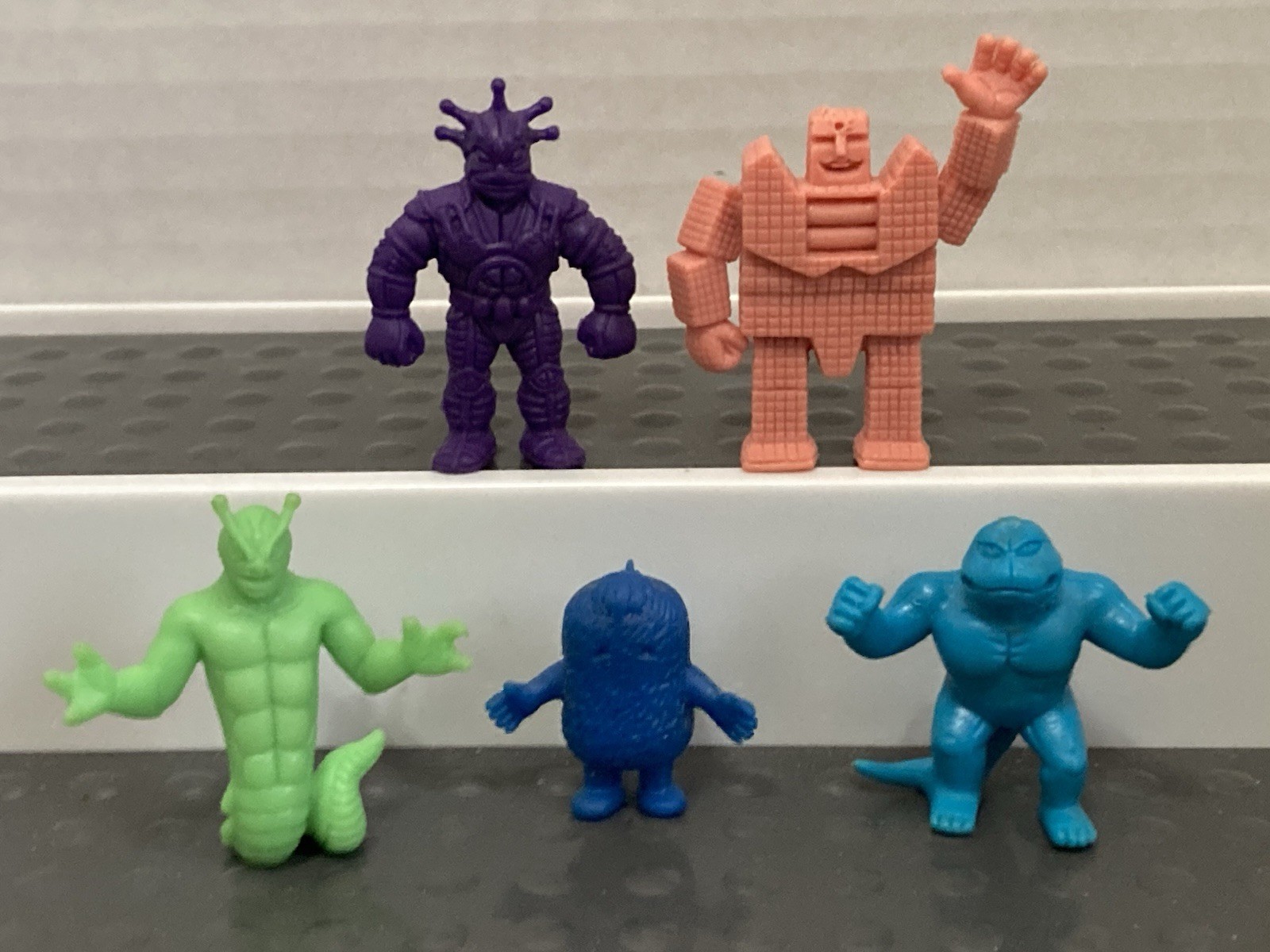


eBay links are affiliate links: JunkPal may earn a commission at no cost to you.
Resale values related to toy trading
Shop toy trading on eBay ↗![Ken Griffey Jr. [100] #24 (Mlb)](https://storage.googleapis.com/images.pricecharting.com/jdd5qleer3gx5jhk/240.jpg)
![Universal Monsters 4 Pack [Metallic] (Movies)](https://storage.googleapis.com/images.pricecharting.com/ezigjzujebekrq5e/240.jpg)
![Huckleberry Hound [Orange] #15 (Animation)](https://storage.googleapis.com/images.pricecharting.com/ames3c5ji3jf5cts/240.jpg)
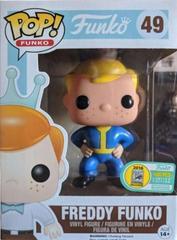
![Huckleberry Hound [Purple] #15 (Animation)](https://storage.googleapis.com/images.pricecharting.com/xfdft667pk6d2wqf/240.jpg)
![Batman [Patina] #19 (Heroes)](https://storage.googleapis.com/images.pricecharting.com/efuydzniwzoti2id/240.jpg)


JunkPal may earn a commission when you buy through eBay links, at no extra cost to you.
What’s worth the most
Ranked on medians of real closed eBay sales, not asking prices.