What does “toy trade” mean?
What it means
Toy trade refers to the entire market infrastructure supporting the acquisition, exchange, and preservation of toys. This includes primary sales (new retail) and secondary sales (resale). It encompasses all platforms: mass retail, specialized conventions, dedicated online marketplaces (eBay, specialized forums), and direct dealer-to-collector transactions. The ecosystem is driven by collector demand, which dictates the value of specific sub-categories, such as vintage action figures, sealed board games, or limited-run vinyl art toys. It is the operational framework of toy collecting commerce.
What it does to price
Market activity directly dictates price volatility. High, sustained demand in a specific niche (e.g., a specific wave of vintage Star Wars figures) creates significant upward pressure. Conversely, oversaturation or the release of a superior modern version can cause sharp depreciation. Condition is a primary multiplier. A factory-sealed, complete-in-box (CIB) item typically commands a 1.8x to 3.5x premium over a loose, complete item. A minor defect, such as a paint chip on a rare figure, can reduce value by 20-40%. For example, a mint-in-box rare collectible might sell for $500; the same figure loose but complete might fetch $250-$350.
How to spot it
Identifying genuine market value requires scrutiny of physical markers. For vintage items, look for specific mold variations, copyright dates, and production codes stamped on packaging or figures. For modern collectibles, verify edition numbering and unique identifiers on the packaging. Photos must show all angles, especially joints, paint application, and any visible box wear. Common pitfalls include "shelf wear" being misidentified as factory damage, or sellers misrepresenting a "complete" figure as having accessories when they are missing. Always cross-reference seller claims with established collector databases for known errors or variants.
Buying smart
Paying a premium is justified when the item is demonstrably scarce, highly desirable within a proven collector segment, and in top-tier condition. If a piece is a known, desirable variant or part of a highly sought-after "complete set," the premium is warranted. Avoid paying top-tier prices for items where the scarcity is anecdotal or the market interest is fleeting. A fair deal balances the item's documented rarity against the current velocity of sales in that specific niche. If the asking price exceeds 1.5x the average recent sale price for comparable condition items, further due diligence is required.
Selling smart
Proving the item’s condition and provenance directly translates to buyer confidence and premium pricing. Detailed, high-resolution photography is non-negotiable. Photos must clearly display all markings, box seams, and any flaws, even if minor. The single most valuable addition to a listing is a clear, dated photo of the item *inside* its original, sealed packaging. Adding the phrase "Factory Sealed" or "Mint in Box" when verifiable earns an immediate, measurable premium over listings that only state "Complete."
On eBay right now
Current asking prices from live listings — not sold-comp medians.
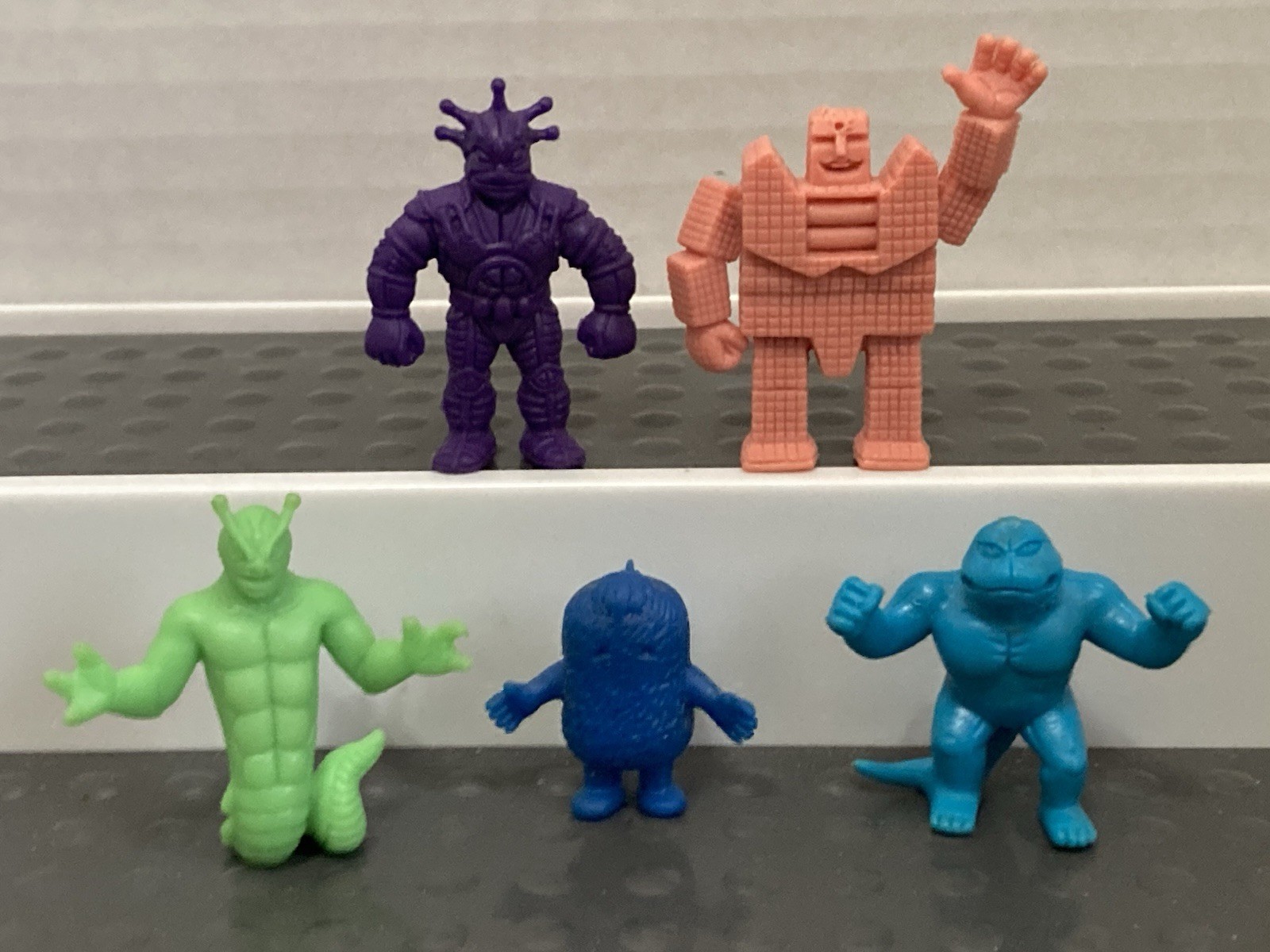


eBay links are affiliate links: JunkPal may earn a commission at no cost to you.
Resale values related to toy trade
Shop toy trade on eBay ↗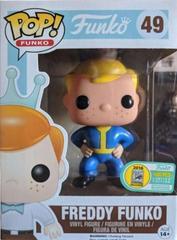
![Huckleberry Hound [Purple] #15 (Animation)](https://storage.googleapis.com/images.pricecharting.com/xfdft667pk6d2wqf/240.jpg)
![Batman [Patina] #19 (Heroes)](https://storage.googleapis.com/images.pricecharting.com/efuydzniwzoti2id/240.jpg)


![Unmasked Wolverine [GITD] #40 (Marvel)](https://storage.googleapis.com/images.pricecharting.com/4qymlbxdyjvs6ksu/240.jpg)

![Jack-Jack [Giants] #367 (Disney)](https://storage.googleapis.com/images.pricecharting.com/ivj2rja6agsqr4ap/240.jpg)
JunkPal may earn a commission when you buy through eBay links, at no extra cost to you.
What’s worth the most
Ranked on medians of real closed eBay sales, not asking prices.