What does “toy tooling” mean?
What it means
Toy tooling refers to the physical molds, dies, and specialized machinery used to mass-produce toys. This is the industrial template for the toy itself. For the collector, tooling is not the toy; it is the factory equipment that made the toy. It is a piece of industrial artifact related to the toy line. While the short definition is accurate, the niche focus is on the *originality* and *completeness* of the tooling set, not just its existence. A complete set of tooling for a specific, short-run toy line is a documented piece of production history.
What it does to price
The presence of original, documented tooling can act as a major multiplier, often increasing the value of associated inventory by 2x to 5x, depending on the rarity of the toy line. If a tooling set is known to produce a highly sought-after, error-prone variation (e.g., a specific paint application or mold flaw), the tooling itself can command a premium of $500 to several thousand dollars, even if the toys it produced are common. Conversely, poorly maintained or incomplete tooling is worth significantly less, perhaps only 10-20% of the value of the associated finished product.
How to spot it
Tooling is usually identifiable by its size, material (metal or high-density polymer), and the presence of manufacturer markings or serial numbers stamped into the mold cavity. Sellers should provide high-resolution photographs of the mold cavity, showing any wear patterns or casting marks. Look for signs of wear consistent with production runs—minor pitting or tool marks are expected; heavy corrosion or damage suggests improper storage. A common mistake is confusing production *prototypes* (early test pieces) with the final production *tooling* (the durable mold).
Buying smart
Paying a premium for tooling is justified only when the tooling is directly linked to a known, scarce, or historically significant toy run. If the tooling is generic or belongs to a mass-market, common toy line, the premium is unwarranted. A fair deal involves a clear appraisal or documentation showing the tooling's specific application. If the tooling is being sold as part of a complete factory archive, the price must reflect the archival value, not just the material cost.
Selling smart
Listing tooling requires precise categorization. The listing must specify *what* toy the tooling was used for and *which* production run it corresponds to. The single most valuable element in a listing is a photograph showing the tooling alongside a finished, authenticated piece of the toy it created. Using the term "Original Production Mold" in the title immediately elevates the listing from "parts" to "artifact," justifying a higher asking price.
On eBay right now
Current asking prices from live listings — not sold-comp medians.

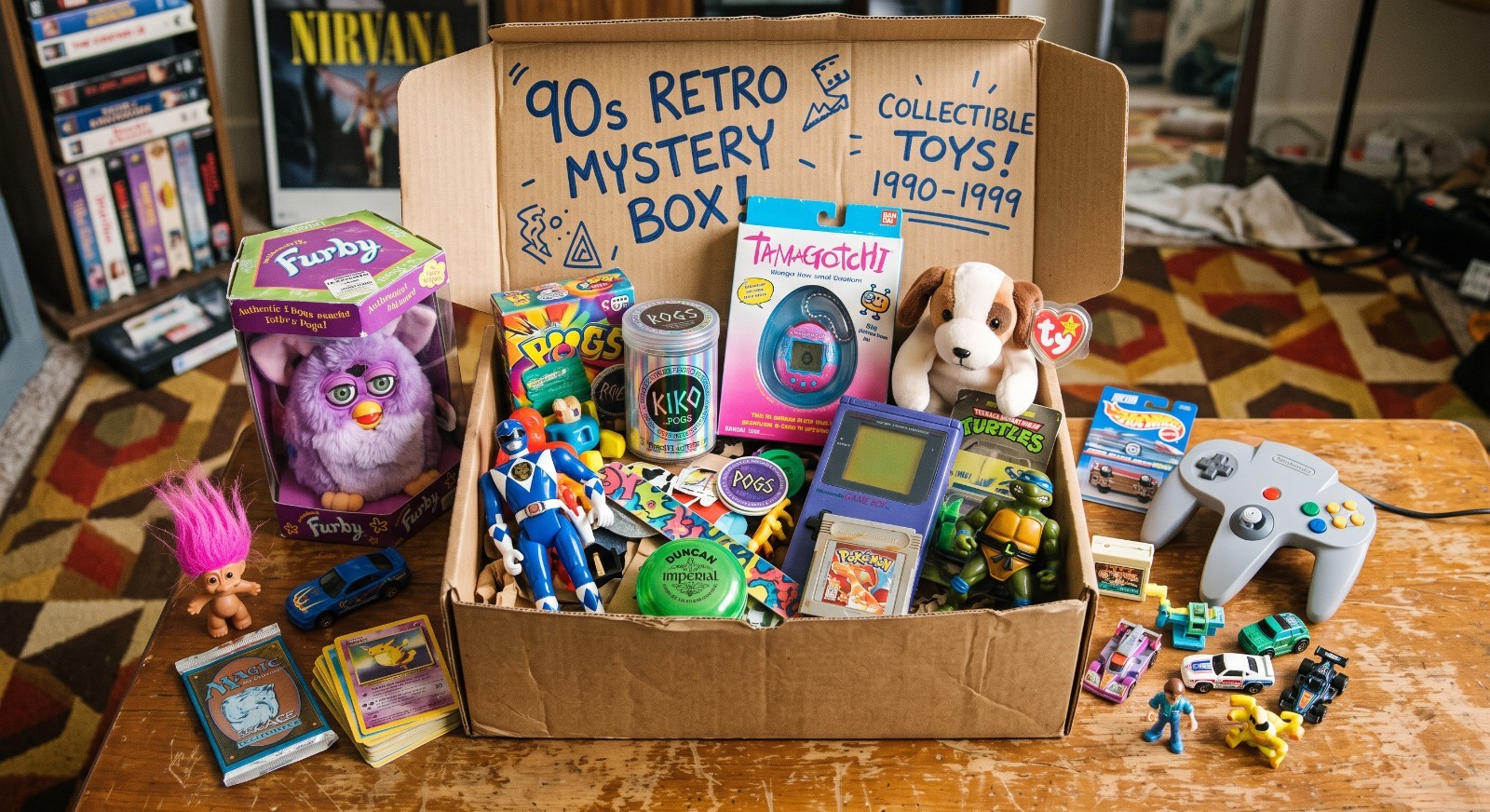

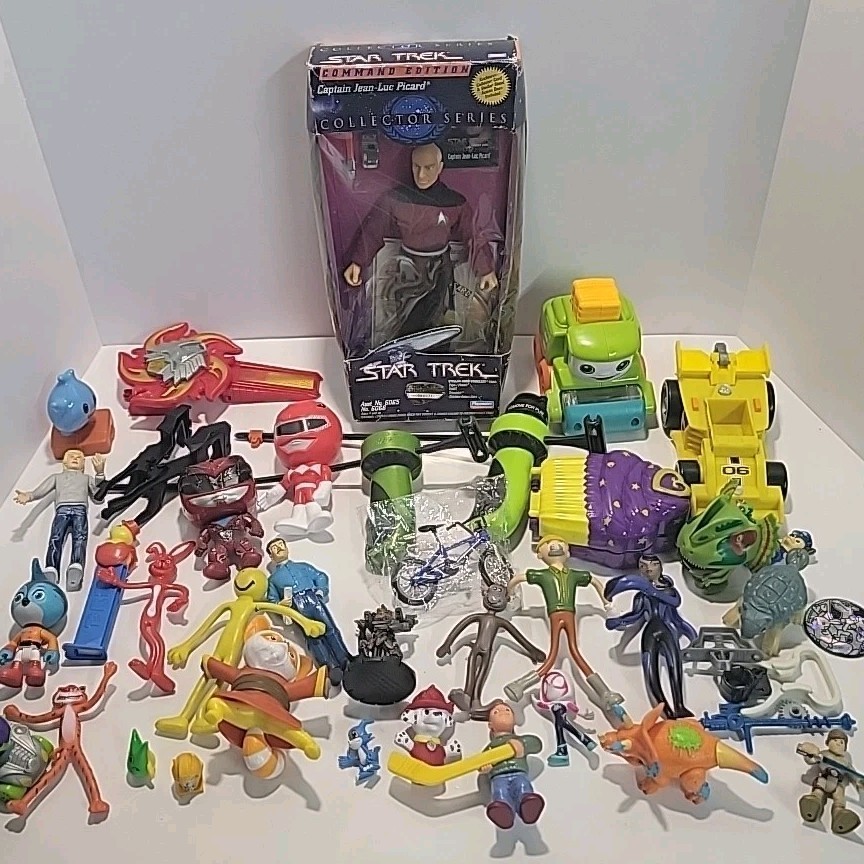


eBay links are affiliate links: JunkPal may earn a commission at no cost to you.
Resale values related to toy tooling
Shop toy tooling on eBay ↗![Brook [NYCC] #358 (Animation)](https://storage.googleapis.com/images.pricecharting.com/xdme4xm2ktocxxz2/240.jpg)
![Murloc [Green, GITD] #33 (Games)](https://storage.googleapis.com/images.pricecharting.com/b4gnqe4yood3rou5/240.jpg)
![Wicked Witch [Metallic] #8 (Movies)](https://storage.googleapis.com/images.pricecharting.com/ydpyohrijqtht6km/240.jpg)
![Gol D. Roger [Gold] #1274 (Animation)](https://storage.googleapis.com/images.pricecharting.com/eua34gmq5r7espwl/240.jpg)
![Genya Shinazugawa [Demon Form] #1851 (Animation)](https://storage.googleapis.com/images.pricecharting.com/2e2asqm3eaxpf54a/240.jpg)
![BMO [Green GITD] #52 (Television)](https://storage.googleapis.com/images.pricecharting.com/es3ciwtrl4sg5nfs/240.jpg)


JunkPal may earn a commission when you buy through eBay links, at no extra cost to you.
What’s worth the most
Ranked on medians of real closed eBay sales, not asking prices.