What does “toy shelf wear” mean?
What it means
Toy shelf wear is the cosmetic deterioration resulting from storage, handling, or age, not from active play. This includes surface abrasions (scuffs), minor paint loss (chipping), color degradation (fading or discoloration), and minor plastic yellowing. The term is distinct from "play wear," which implies damage from actual use (e.g., broken joints, missing accessories). For grading purposes, shelf wear is assessed on a scale, often ranging from Near Mint (minimal, barely visible surface blemishes) to Good (noticeable fading or multiple light scuffs). This is the condition assessment used to differentiate between factory-fresh items and items that have existed in a collection environment.
What it does to price
Shelf wear directly dictates the grade and, therefore, the price multiplier. A toy graded "Mint" with negligible shelf wear can command 2x to 5x the price of the same item graded "Good" with noticeable fading or scuffing. Conversely, an item with heavy, pervasive wear, such as significant paint loss across major panels, can see its value drop by 40% or more compared to a comparable, cleaner example. For example, a standard action figure priced at $50 in pristine condition might sell for $30-$35 if it exhibits heavy, widespread discoloration from long-term storage in a humid environment.
How to spot it
Inspection requires high-resolution photography, particularly of flat, high-gloss surfaces. Look for micro-scratches under direct light—these are common shelf wear indicators. Check painted areas (logos, armor plating) for subtle, uniform dulling, which indicates UV exposure or age-related pigment breakdown, rather than sharp chips from impact. When dealing with older vinyl figures, check for "plastic bloom" or a slight hazy film over the surface, which is chemical aging. Sellers must provide multiple angles, including close-ups of the feet and torso, where dust accumulation or minor scuffs are most visible.
Buying smart
Paying a premium for minimal shelf wear is justified when the item is otherwise complete, rare, or part of a high-grade set. If the wear is minor (e.g., a few hairline scuffs on an otherwise flawless surface), the premium is reasonable. However, paying top dollar for an item with moderate, visible discoloration or paint rub is poor value. A fair deal involves a price that reflects the *actual* grade. If a seller claims "Near Mint" but the photos show obvious fading, the buyer should negotiate down to the price point associated with "Very Good."
Selling smart
Transparency regarding shelf wear maximizes buyer confidence and price realization. Do not attempt to hide minor scuffs; instead, categorize them accurately. The single most effective step is providing a detailed, close-up photo specifically highlighting the wear—for instance, a macro shot showing a specific paint chip or a slightly faded logo area. Labeling this clearly in the description (e.g., "Minor shelf wear visible on left shoulder armor") manages expectations and prevents returns, allowing the seller to command the premium associated with a "graded" item rather than being penalized for misrepresented condition.
On eBay right now
Current asking prices from live listings — not sold-comp medians.
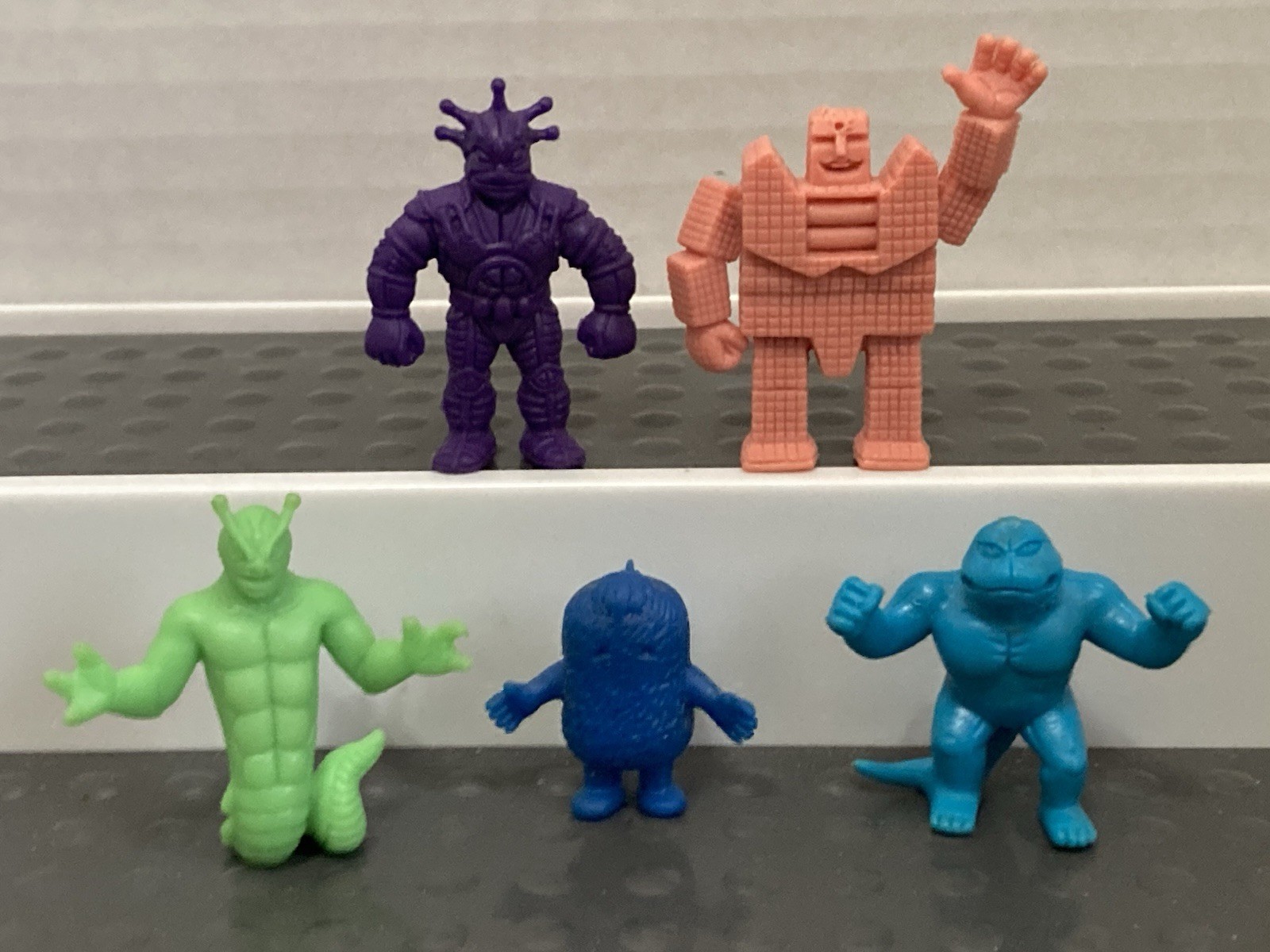


eBay links are affiliate links: JunkPal may earn a commission at no cost to you.
Resale values related to toy shelf wear
Shop toy shelf wear on eBay ↗![Franny Funko As Azula [GITD] #SE (Freddy Funko)](https://storage.googleapis.com/images.pricecharting.com/sbtbm36tc3awdk6b/240.jpg)

![Penguin [Metallic] #4 (Heroes)](https://storage.googleapis.com/images.pricecharting.com/yiwv2skaj4guaiix/240.jpg)


![Freddy Funko As Michael Myers [Blacklight] #SE (Freddy Funko)](https://storage.googleapis.com/images.pricecharting.com/bxsn4yq4ujnkegsp/240.jpg)
JunkPal may earn a commission when you buy through eBay links, at no extra cost to you.
What’s worth the most
Ranked on medians of real closed eBay sales, not asking prices.