What does “toy series variation” mean?
What it means
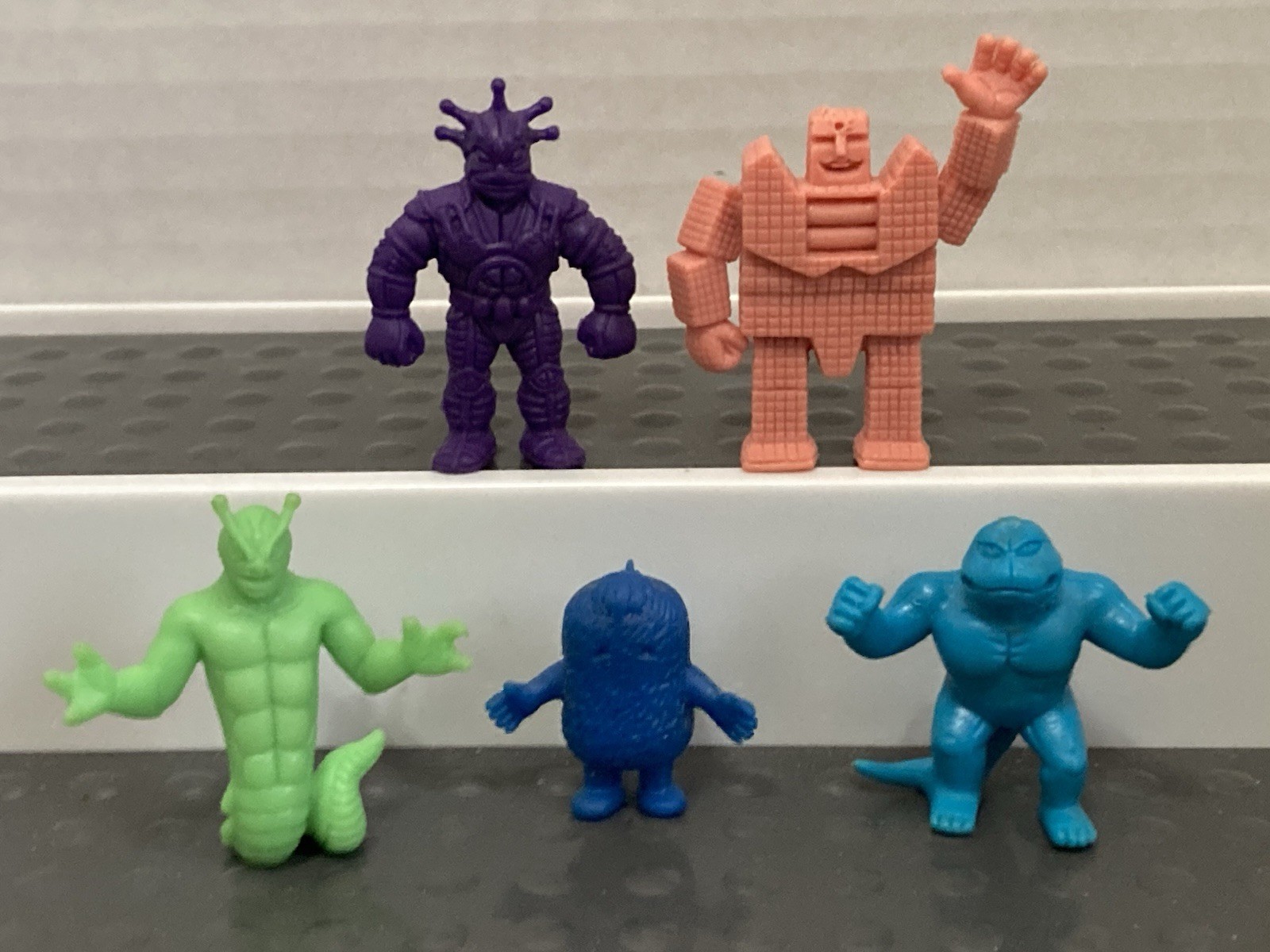
Toy series variation is any deviation from the standard, mass-market version of a toy within a single product line. This is not merely a cosmetic flaw; it is a documented change in the manufacturing process or production run. Variations range from minor aesthetic shifts—such as a different shade of paint or a slightly altered decal placement—to major structural changes, like a revised mold or the inclusion/exclusion of specific accessories. In collector terms, these variations are markers of production history. A variation signifies a specific point in the toy’s lifecycle, whether that is an early prototype run, a mid-production color swap, or a final, limited-run variant. The mainstream equivalent is "sub-model variant."
What it does to price
Variations directly impact market value by establishing scarcity. A minor paint error or a slight packaging difference usually results in a minimal price bump, perhaps 10-25% over the standard release. Significant variations—such as a "chase" variant, a factory error that was subsequently corrected, or a specific limited-edition mold—can cause multipliers of 3x to 10x or more, depending on demand. For example, a standard $20 action figure might sell for $50 if it possesses a verified, rare tooling variation. Conversely, a variation that is widely known to be a common error or a later, less desirable run will depress the price, sometimes making it worth less than the standard version.
How to spot it
Identification requires detailed visual comparison. Key tells include specific markings on the mold (often near joints or on the feet), unique paint application patterns (e.g., a specific shade of blue on a helmet), or differences in plastic texture. Always request high-resolution photos of the underside, packaging inserts, and any visible serial or copyright markings. Common issues include "mold shifts," where the plastic slightly warps between production runs, or "color palette swaps." Be wary of sellers claiming a rare variation without photographic proof; these are often simple restrikes or common errors misrepresented as exclusive runs.
Buying smart
Paying a premium for a variation is justified when the variation is documented by reputable third-party guides or established auction records as being genuinely scarce and desirable. If the variation is merely a minor, unverified aesthetic difference, the premium is likely inflated speculation. A fair deal involves a price that reflects the documented rarity level, not just the perceived coolness factor. If a variation is listed as "Ultra Rare" but has no supporting documentation, the buyer risks overpaying for a common mistake.
Selling smart
Proof of variation transforms a listing from a general sale into a targeted niche offering. Buyers willing to pay high prices are seeking the specific variant, not just the toy. The single most effective element in a listing is a clear, close-up photograph that highlights the specific difference—a unique paint application, a distinct accessory, or a visible mold stamp. Labeling the item with the precise, recognized variation name (e.g., "Crimson Paint Variant," "Early Mold Run") immediately qualifies the listing for serious, high-value buyers, justifying a significant price increase over the standard model.
On eBay right now
Current asking prices from live listings — not sold-comp medians.


eBay links are affiliate links: JunkPal may earn a commission at no cost to you.
Resale values related to toy series variation
Shop toy series variation on eBay ↗

![Bruce Lee Kicking [San Fransisco Giants - Orange] #592 (Movies)](https://storage.googleapis.com/images.pricecharting.com/tloc5jtmmdjh5x25/240.jpg)
![Ariel & Ursula [Metallic] (Minis)](https://storage.googleapis.com/images.pricecharting.com/ovxsxrus2ixljhed/240.jpg)


![Freddy Funko As Optimus Prime [Metallic] #SE (Freddy Funko)](https://storage.googleapis.com/images.pricecharting.com/7nkbfbjrdovbgf6p/240.jpg)
JunkPal may earn a commission when you buy through eBay links, at no extra cost to you.
What’s worth the most
Ranked on medians of real closed eBay sales, not asking prices.